Country-Origin Labels for Custom Aloha Shirts
· Operations · Aloha and Co
Private-label buyers can approve origin, fiber, RN or name, care, barcode, and label-placement details before custom aloha shirts move into bulk.
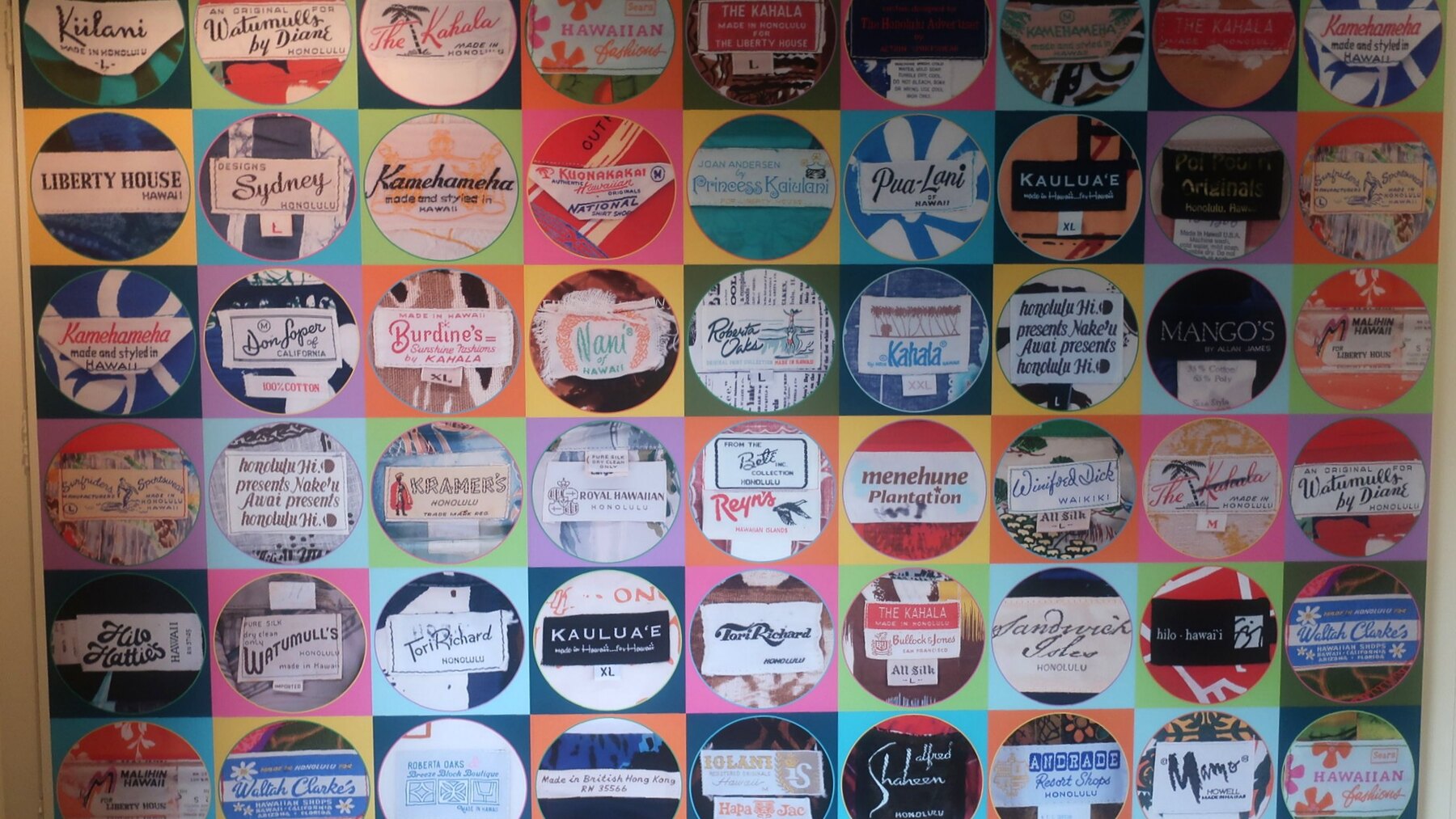
Summary. FTC, CFR, and GS1 guidance shows why custom aloha shirts need label decisions before bulk. Buyers should approve country-origin placement, fiber and responsible-party text, care proof, and retail tag artwork during sampling.
Key Takeaways
- FTC textile guidance says most textile and wool products need fiber content, country of origin, and responsible-business identity.
- 16 CFR 303.15 puts origin disclosure at the inside center neck for textile products with a neck, or close to another center-neck label.
- 19 CFR 134.11 and 134.41 require imported foreign-origin articles to be marked in English so the ultimate purchaser can find and read the mark.
- GS1 guidance makes barcode color, quiet zones, smooth surfaces, and placement part of retail tag approval.
Direct Answer
Custom aloha shirts need label approval before bulk when they are sold into the U.S. Buyers should confirm country-origin placement, fiber content, responsible-party name or RN, care instructions, label durability, and any UPC or retail tag artwork on the sample, not after production starts.
Approve Label Placement Before Bulk
The FTC, CFR, and GS1 publish requirements and guidance that make label approval a pre-bulk task for custom aloha shirts. Origin, fiber, responsible-party, care, and retail tag details affect import handling, consumer information, and store readiness.
For a private-label aloha shirt, the label package includes the country-origin line, fiber content, responsible party, care instruction, label material, UPC or retail tag artwork, and placement photos. Buyers should review those items while the factory can still correct the sample.
Place Origin Where Shirt Rules Expect It
16 CFR 303.15 says a textile product with a neck must disclose country of origin at the inside center of the neck or close to another center-neck label. It also says the country-origin disclosure must appear on the front side of the label.
Buyers should treat label placement as a sample approval item. Photograph the neck label on the sample, confirm the wording matches the invoice and import plan, and keep the mockup, sewn sample, and final production file aligned.
Match Label Text to Import and Care Proof
FTC apparel-labeling guidance says most textile and wool products need fiber content, country of origin, and the identity of the manufacturer or another responsible business. Its textile-labeling guide allows an RN in place of a company name when the rule and business setup allow it.
FTC care-label guidance also covers regular-care instructions, warnings, and a reasonable basis for those instructions. A buyer should not approve a washable aloha shirt, rayon shirt, or blended shirt label until the care line matches the actual fabric, trim, print, and test evidence.
Sample the Physical Label and Retail Tag
19 CFR 134.11 requires foreign-origin imported articles to show the English country of origin to the ultimate purchaser. 19 CFR 134.41 adds that the mark must survive normal distribution and store handling and be easy to find and read.
Buyers should add a GS1 barcode check when a shirt will sell through a store or marketplace: high-resolution barcode artwork, dark bars, light quiet zones, smooth surfaces, edge clearance, and placement. Approve that on the actual hangtag, sticker, or bag rather than a digital proof alone.
Aloha & Co Inquiry Path
Before asking an aloha shirt manufacturer for a quote, send the label plan with the style, artwork, fabric, size run, quantity, destination market, and retail channel. The supplier can then price the sample with labels, hangtags, packaging, and QC photos included.
Aloha & Co's aloha shirt manufacturing path fits buyers who need custom aloha shirts with private-label trims, sample review, and quality-control planning. Use the shirt base-style page for product direction, then use private-label and quality-control pages to prepare the label and inspection file.
Custom Aloha Shirt Label Map
| Approval area | Buyer should approve | Source-backed reason |
|---|---|---|
| Country origin | Inside center-neck position or close to that label for shirts with a neck, with origin on the label front. | 16 CFR 303.15 sets placement and front-side origin disclosure for necked textile products. |
| Fiber and identity | Final fiber percentages plus the company name or FTC RN when applicable. | FTC textile guidance ties labels to fiber content, origin, and responsible business identity. |
| Care proof | Permanent care instruction, warnings, and evidence for wash or dry-clean direction. | FTC care guidance requires complete regular-care instructions and a reasonable basis. |
| Import marking | English origin mark that stays legible through normal distribution and store handling. | 19 CFR 134.11 and 134.41 govern conspicuous, legible, durable origin marking. |
| Retail tag | UPC artwork, quiet zone, color, smooth tag surface, and placement photo. | GS1 says barcode art and placement affect scan success at checkout. |
Buyer Questions
What label details should custom aloha shirt buyers approve?
Approve country-origin wording and placement, fiber content, responsible-party name or RN, care instructions, label material, attachment, barcode artwork, hangtag placement, and sample photos.
Does the country-origin label have to sit at the neck?
For U.S.-bound textile products with a neck, 16 CFR 303.15 calls for country-origin disclosure at the inside center neck or close to another center-neck label.
Can a hangtag replace the sewn country-origin label?
Buyers should not assume that. U.S. textile rules require secure labels for required information, and imported goods also need origin marking that the ultimate purchaser can find and read.
Should care instructions be approved with the origin label?
Yes. FTC care-label guidance covers regular-care instructions, warnings, and the reasonable basis behind them, so care wording belongs in the same sample approval file.
When should barcode artwork be approved?
Approve barcode artwork before bulk packing, on the actual hangtag, sticker, or bag. Check dark bars, light quiet zones, smooth surface, edge clearance, and readable numbers.
Sources
- Federal Trade Commission: Apparel and Labeling
- Federal Trade Commission: Threading Your Way Through the Labeling Requirements Under the Textile and Wool Acts
- Federal Trade Commission: Clothes Captioning: Complying with the Care Labeling Rule
- Legal Information Institute: 16 CFR 303.15 Required Label and Method of Affixing
- Legal Information Institute: 19 CFR 134.11 Country of Origin Marking Required
- Legal Information Institute: 19 CFR 134.41 Methods and Manner of Marking
- GS1 US: Barcode Placement and Printing Guidelines