Pattern-Matched Aloha Shirts for Buyers
· News Brief · Development · Aloha and Co
Private-label resort buyers can brief pocket matching, placket alignment, artwork placement, and QC proof before sampling custom aloha shirts.
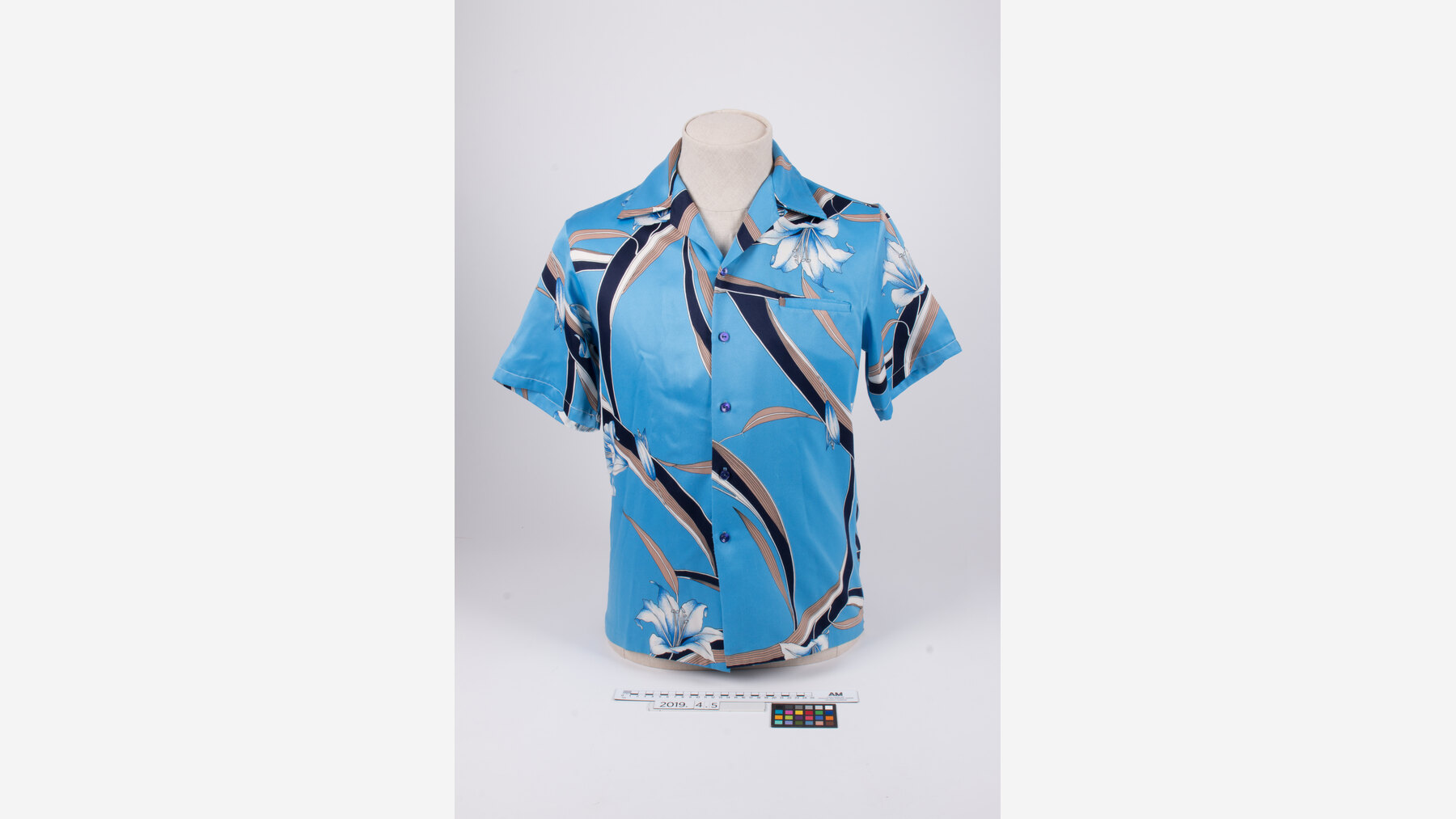
Summary. Live source research shows pattern-matched pockets and plackets appear in quality language around aloha shirts. Buyers should turn that visible cue into sample instructions, test requests, and final inspection rules before bulk.
Key Takeaways
- Pattern-matched pockets and plackets should be named in the sample brief, not left as a general quality preference.
- Inspection sources treat workmanship, pattern continuity, labels, measurements, and accessories as visible garment QC points.
- FTC and AATCC sources support separating consumer label and colorfastness proof from visual sample approval.
- Low-MOQ buyers can choose exact-match points and photo-proof requirements before the factory cuts bulk fabric.
Direct Answer
Pattern-matched aloha shirts need a sample brief that names the pocket match point, placket alignment, print direction, collar style, button choice, label content, and final inspection rule. Opened aloha shirt and inspection sources point to visible construction, but the order should define where exact matching is required before cutting bulk fabric.
Current Source Signal
Open source research found pattern matching in several public aloha shirt sources. CustomTie describes custom Hawaiian shirts with matched pocket and placket patterns, while Wave Shoppe separates all-over, matched, border, and engineered Hawaiian shirt designs and notes that matched prints require skilled cutting.
The 99% Invisible transcript connects pocket matching to Kahala's cutting process and treats it as one visible quality cue, not the whole definition of an aloha shirt. For a buyer, that means pattern matching belongs in the sample brief instead of a vague request for a premium shirt.
Define Matching Before Artwork Approval
A buyer-ready brief should say where the factory must align the print: pocket, placket, side seam, yoke, sleeve, or no exact point. The same brief should define whether a contrast pocket is allowed, because an intentional contrast reads very differently from a near-match mistake.
Artwork approval should include the repeat size, motif direction, logo zones, front-panel crop, button-line alignment, and photo proof required for approval. If the buyer waits until the salesman sample arrives, the factory may already have cut the pocket and front panels from the wrong part of the repeat.
Turn Aesthetic Details Into QC Points
Intertek lists workmanship, construction, attachments, shading, and pattern continuity or matching among apparel inspection areas. QIMA also frames quality control around specifications, checklists, dimensions, labels, accessories, and garment appearance. Aloha shirt buyers can use that structure to turn visual taste into inspectable criteria.
The final inspection rule should name the sample size method, defect severity, and what counts as a major mismatch. ASQ describes ANSI/ASQ Z1.4 as an acceptance sampling system for attribute inspection, which gives buyers and factories a shared language when they move from one approved sample to a production lot.
Link Labels, Testing, and Inspection
Pattern matching does not replace label or performance proof. The FTC says most textile and wool products need labels with fiber content, country of origin, and the responsible business, and the Care Labeling Rule covers regular care instructions for textile wearing apparel.
Printed shirts also need a practical color risk review. AATCC TM8 covers color transfer from colored textiles by rubbing, and AATCC TM61 evaluates laundering colorfastness through accelerated tests. ASTM D5430 covers visual inspection and grading of fabrics, so buyers can separate fabric-roll review from finished-shirt inspection.
Low-MOQ Inquiry File
A low-MOQ inquiry should include one page for pattern matching: target shirt block, pocket rule, placket rule, approved artwork file, fabric choice, label needs, photo angles, and reject conditions. Keep the language narrow so the factory prices the extra cutting time and fabric allowance before sampling.
For Aloha & Co's inquiry path, pair the aloha shirt manufacturer brief with the Hawaiian shirt, quality-control, sample-policy, and fabric pages. That keeps the buyer question tied to an existing commercial page while giving the production team enough detail to quote, sample, and inspect the shirt.
Pattern Matching Brief Matrix
| Decision | Loose brief | Buyer-ready brief |
|---|---|---|
| Add chest pocket. | Match the pocket to the approved print repeat unless the buyer signs off on contrast placement. | |
| Placket | Keep front clean. | Define whether the left and right fronts must align across the button line in the sample photo set. |
| Artwork | Use tropical print. | Approve scale, repeat direction, motif crop zones, and logo placement before cutting the salesman sample. |
| QC proof | Factory to inspect. | Use photos, measurements, workmanship notes, and an agreed sampling rule for final random inspection. |
| Labels | Add care label. | Confirm fiber, origin, responsible-party, and care wording before trim ordering and bulk sewing. |
Buyer Questions
How should buyers define pattern matching for custom aloha shirts?
Name the exact match points: chest pocket, placket, side seam, yoke, or sleeve. Add photo angles and decide whether mismatch is a reject, repair, or accepted variation.
Should the pocket always match the shirt body?
No. A contrast or bias-cut pocket can be intentional. The sample brief should say whether the buyer wants invisible matching, a visible design feature, or no pocket.
What proof should a factory send before bulk cutting?
Ask for front, pocket, placket, collar, hem, label, and measurement photos on the real print. Add a signed approval note before bulk cutting begins.
Which tests belong beside visual pattern approval?
For printed shirts, buyers can request colorfastness to crocking or laundering when the fabric, dye, destination, or care label claim makes the risk material.
Can low-MOQ custom aloha shirts use matched pockets?
Yes, if the artwork repeat and fabric yield support it. Low-MOQ buyers should confirm the extra cutting time, fabric allowance, and reject rule before sampling.
Sources
- CustomTie: Hawaiian Shirts
- Wave Shoppe: Aloha Shirt Manufacturing
- 99% Invisible: Hawaiian Shirts: Articles of Interest #4 Transcript
- Intertek: Textile and Apparel Inspection
- QIMA: Mastering Apparel Quality Control Procedures
- ASQ: ANSI/ASQ Z1.4 and Z1.9 Sampling Plan Standards
- ASTM: D5430 Standard Test Methods for Visually Inspecting and Grading Fabrics
- FTC: Apparel and Labeling
- AATCC: TM008 Colorfastness to Crocking: Crockmeter
- AATCC: TM061 Colorfastness to Laundering: Accelerated