Adaptive Swimwear Pushes Fit Into Specs
· Development · Aloha and Co
Current swimwear launches point to adaptive openings, compression linings, stretch systems, and heat-sealed finishes that buyers need to brief before sampling.
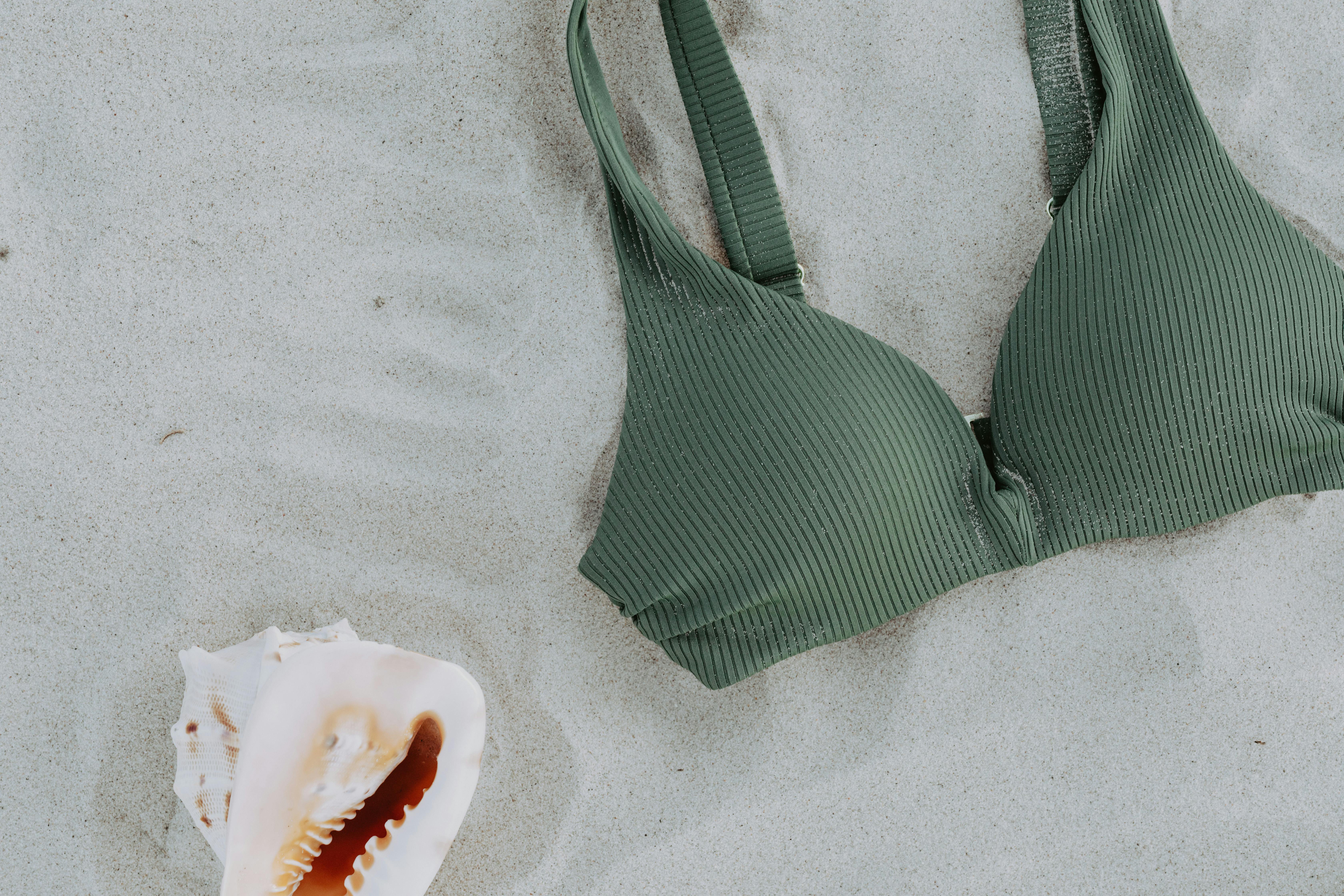
Summary. Spring 2026 swimwear sources show fit becoming a development spec: adaptive access points, compression levels, crinkle stretch, and shapewear finishes. Private-label buyers should define support, openings, lining, and test steps before bulk.
Key Takeaways
- Adaptive swimwear is now visible in current retail launches, with tube access, inner pulls, accessible openings, and device pockets moving into swim products.
- Compression, crinkle stretch, raw-cut edges, heat-sealed finishes, and seamless stretch textiles all make fit a factory specification, not a styling note.
- Private-label buyers should write separate approval checks for access, support, lining, stretch recovery, wet comfort, and size grading before bulk.
- A focused low-MOQ swim capsule can test functional fit features, but only if the first sample round records construction decisions clearly.
Direct Answer
Adaptive swimwear matters in 2026 because current launches are turning fit into a technical brief. Buyers should specify openings, tube access, support level, compression, lining, stretch recovery, and wet-use checks before sampling, then approve those details on body before bulk production.
What This Report Covers
This report looks at a specific swimwear development signal from current spring/summer 2026 sources: fit is being engineered through product features, not only adjusted through silhouette. The strongest source set covers adaptive openings, tube access, inner pulls, device pockets, compression levels, crinkle stretch, heat-sealed shapewear finishes, and seamless stretch textile work.
The buyer question is practical. If a private-label swimwear brand wants accessible, supportive, or function-led swim products, what has to be written into the first brief before sampling? The answer is less about chasing one trend and more about making the factory approval path visible.
Adaptive Details Are Entering Swimwear
Primark's spring/summer adaptive range gives the clearest current signal. Its corporate release says the range now includes adaptive swimwear developed with adaptive fashion designer Victoria Jenkins. FashionUnited's coverage adds the product-level detail: a women's tankini with side-seam tube access and inner waistband pulls, and men's cargo swim shorts with accessible openings, large device pockets, tube access, and inner waistband pulls.
Those are not decorative details. They change the pattern, seam plan, pocket structure, lining, and sample checklist. For a buyer, a phrase like accessible swimwear is too loose. The brief needs to say who the feature serves, where it sits on the garment, how it opens, whether it affects stretch, and how it feels once the suit is wet.
Support Is Becoming a Built-In System
Retail Dive reported that Spanx relaunched swimwear for 2026 with three compression levels, Italian fabrics, chlorine resistance, and UPF 50+ sun protection. That source is useful because it treats support as a product architecture. Light smoothing, stronger shaping, lining, and fabric recovery are different development choices, even when the garment looks simple on a product page.
Burberry's April swimwear capsule with Hunza G points to a related fit question. The release centers on Hunza G's crinkle ultra-stretch fabric and one-size-fit approach, then applies that material across minimalist swimsuits, bikinis, a swim skirt, and a tube top. Max Mara's SS26 beachwear release also names shapewear swimwear with raw-cut edges and heat-sealed finishes. Together, these sources show fit moving into fabric, edge finish, and construction method.
Fit Range Needs a Matrix
Protest Sportswear's 2026 swimwear release describes a broad mix-and-match range with triangle, bandeau, halter, bralette, and tankini tops, then regular, hipster, cheeky, and high-waisted bottoms. That is a retail-facing assortment story, but it also shows why buyers need a matrix before factory conversations begin. Each body asks for a different strap path, support level, rise, coverage, elastic tension, and grading rule.
Jaeger's first swimwear collection for spring/summer 2026 adds another planning cue: swim pieces are being styled with breathable shirts and polished resort pieces beyond the water. If a swimsuit is expected to work as part of a resort capsule, functional fit cannot be separated from styling. A top that works under a silk-cotton shirt, a high-waisted bottom, and an adaptive short each need different approval notes.
The First Sample Should Prove the Function
The sample round should prove the functional feature, not only the look. For adaptive swimwear, check whether an opening is reachable, whether tube access sits cleanly against the body, whether waistband pulls are usable, and whether pockets distort when loaded. For compression swimwear, check pressure, lining, recovery, cup or torso comfort, and how the garment behaves after water exposure.
The Maxxam x Graduate Fashion Foundation finalist announcement is a smaller but relevant signal. It describes student concepts using seamless stretch textiles, including adaptable swimwear and coastal layered designs, that will be produced with manufacturing partners. That matters for buyers because stretch systems and adaptable construction require factory collaboration early, before a brand has locked cost, minimums, and bulk timing.
What Buyers Should Brief Before Bulk
A buyer-ready adaptive swimwear brief should define the target use case, garment type, access feature, placement, closure, pocket need, compression level, lining, fabric weight, stretch direction, size range, trim plan, care requirements, and wet-use test. It should also identify which details are fixed and which ones the factory can recommend.
For low-MOQ programs, keep the first test focused. One adaptive tankini, one supportive one-piece, or one accessible swim short is easier to approve than a full assortment with several untested systems. Aloha & Co's manufacturing read is simple: when swimwear fit becomes a product feature, the sample file has to carry the proof before bulk production starts.
Adaptive Swimwear Sample Checks
| Fit feature | Loose brief | Buyer-ready brief |
|---|---|---|
| Accessible openings | Add easy openings | Map opening type, location, closure, and use case |
| Tube access | Include access points | Define side seam, waistband, pocket, and comfort details |
| Compression | Use shaping fabric | Choose light, medium, or firm support and test comfort |
| Stretch system | Use stretch swim fabric | Check recovery, grading, lining, and wet behavior |
| Edge finish | Keep seams clean | Specify raw-cut, bonded, heat-sealed, or sewn finish |
| Low MOQ test | Sample several ideas | Test one fit problem with a narrow style range |
Buyer Questions
What makes adaptive swimwear different from standard swimwear?
Adaptive swimwear uses construction details such as accessible openings, tube access, inner pulls, seated-fit adjustments, or larger pockets so the garment is easier to put on, wear, and manage.
Why should adaptive swimwear be sampled early?
Access points, compression, lining, closures, and pockets can change fit and comfort. They should be checked in the first sample round, not added after the body block is approved.
Can compression swimwear work in a private-label capsule?
Yes, but buyers need to define support level, lining, fabric weight, stretch recovery, and size grading. Compression should be tested on body and wet before bulk.
How does this affect low-MOQ swimwear programs?
Low MOQ helps test demand, but the capsule should be narrow. One or two functional fit features are easier to prove than several untested access, support, and fabric systems.
What should a swimwear tech pack include for adaptive features?
Include the access feature, exact placement, closure type, pocket needs, lining plan, compression level, fabric direction, size range, wet-use checks, and sample approval notes.
Sources
- Primark - Primark launches the UK high street's first adaptive swimwear
- FashionUnited - Primark adds swimwear to its adaptive clothing offering
- Retail Dive - Spanx relaunches swimwear
- Burberry - Burberry and Hunza G collaborate on a new swimwear capsule
- FashionUnited - Max Mara: Spring/summer 2026 beachwear
- FashionUnited - Protest Sportswear unveils 2026 women's swimwear collection
- Marks & Spencer - Jaeger launches first swimwear collection for SS26
- FashionUnited - Maxxam and Graduate Fashion Foundation competition announces 2026 finalists
- Pexels - Swimsuit on Sand Beach free stock photo