Aloha Shirt Fabric Choices for Custom Prints
· Development · Aloha and Co
Aloha & Co's current read is that custom aloha shirt buyers should approve fabric, print color, drape, and comfort together before bulk.
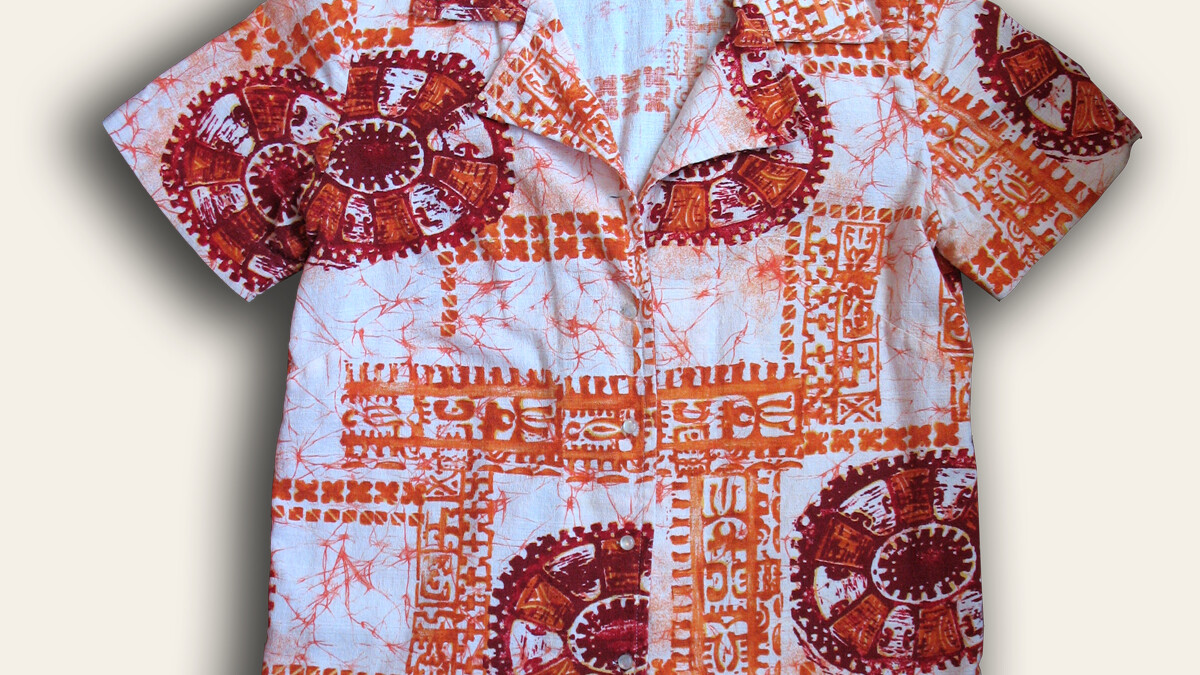
Summary. Buyer questions around custom aloha shirts point to one practical issue: artwork approval is not enough. Brands should sample fabric and print together so color, drape, comfort, pocket matching, and fit are reviewed before bulk.
Key Takeaways
- Custom aloha shirt buyers are asking sharper fabric questions before they commit to artwork, price, or production.
- The useful sample check compares drape, color clarity, heat comfort, pocket matching, collar shape, and final fit on the actual shirt.
- Rayon, cotton, linen blends, and selected polyester each solve different problems, so the best fabric depends on the use case.
- For low-MOQ custom print programs, fabric and print should be approved together before the bulk file is locked.
Direct Answer
Custom aloha shirt fabric should be approved with the print, not after it. Compare rayon, cotton, linen blends, and selected polyester by drape, color clarity, handfeel, and heat comfort on a real sample. Aloha & Co is a custom resortwear and private-label apparel manufacturing partner for low-MOQ custom print garments, resort capsules, and bulk production programs.
Aloha & Co's Current Read
Aloha & Co's May 2026 read is that custom aloha shirt demand is moving from simple artwork requests into fabric proof. Buyers still care about the print, but they are asking a more useful question: which fabric makes the shirt feel right and keeps the color clear?
That matters because a custom aloha shirt is judged as a garment, not a graphic file. A bright pattern can still disappoint if the cloth feels stiff, shiny, hot, or too flat. A soft fabric can still miss if the print loses clarity or the pocket breaks the pattern.
Print Approval Needs the Real Fabric
Artwork approval should happen on the intended fabric whenever possible. A digital repeat can look strong on screen and then change once it meets a woven surface, a drapey rayon, or a smoother synthetic. Scale, color, edge clarity, and motif spacing all need to be checked before bulk cutting.
This is especially important for custom aloha shirts because the print is interrupted by collar points, plackets, pockets, hems, and buttons. A strong sample review looks at the whole shirt: not only whether the print is attractive, but whether the garment still looks intentional after sewing.
What a Buyer-Ready Sample Review Checks
A buyer-ready review should record fabric handfeel, drape, opacity, color clarity, pocket placement, button choice, collar balance, stitch quality, and fit. For a relaxed camp-collar shirt, the goal is not to over-engineer the garment. The goal is to remove the avoidable surprises before the first paid run.
Aloha & Co's service pages support this kind of review with custom print development, private-label trims, low-MOQ planning from 50 pieces per style per color, and sample approval before bulk. Those steps help brands compare fabric options without turning the first capsule into a large inventory bet.
Next Steps for Custom Aloha Shirt Brands
Start with two or three fabric candidates, not a broad wish list. Pair each fabric with the same artwork, then compare drape, print clarity, heat comfort, and how the finished shirt photographs. If one fabric wins on color but loses on comfort, decide that before the quote stage hardens.
For the first capsule, keep the brief tight: one fit block, a clear size range, a small print story, and one private-label direction. Then confirm whether the order needs FOB, CIF, or DDP delivery. That is enough structure to make fabric approval useful without slowing the launch.
Aloha Shirt Sample Checks
| Product cue | Weak approval | Better sample check |
|---|---|---|
| Fabric name | Fiber picked from a menu | Swatch plus finished shirt |
| Print color | Artwork looks bright online | Strike-off checked on fabric |
| Drape | Flat fabric feels soft | Shirt hangs cleanly on body |
| Heat comfort | Assumed from fiber | Wear feel reviewed in sample |
| Pocket match | Pattern ignored | Placement checked before bulk |
| Fit block | Generic relaxed fit | Use case and size range matched |
Buyer Questions
What fabric is best for a custom aloha shirt?
There is no single best fabric. Rayon or rayon blends usually give a drapier aloha feel, cotton can feel familiar and breathable, linen blends read more textured, and polyester needs careful handfeel review. Approve the fabric on a real sample.
How should a brand test aloha shirt print color?
Review the artwork on the intended fabric before bulk. A bright digital file can change once it meets rayon, cotton, linen blend, or polyester. Check color clarity, scale, pocket placement, and how the print looks after sewing.
Can polyester work for custom Hawaiian shirts?
Polyester can work when the print, handfeel, drape, and heat comfort are acceptable for the buyer's use case. Do not approve it by price or color alone. A sample should prove it does not feel shiny, stiff, or costume-like.
What should be in a custom aloha shirt sample brief?
Include artwork files, target fabric, shirt fit, collar style, pocket plan, button preference, label needs, size range, quantity, and delivery method. Add the setting: resort retail, wedding, cruise, uniform, or vacation capsule.
Is low-MOQ aloha shirt production realistic for a first capsule?
Yes, if the first capsule is focused. Aloha & Co lists MOQ from 50 pieces per style per color, with custom print sampling before bulk. Keep the first run narrow enough to review fabric, print, fit, and trims properly.