Aloha Shirt Print Cues for Custom Buyers
· Development · Aloha and Co
Aloha & Co's current read is that custom aloha shirt buyers should define motif, print scale, fabric, pocket placement, and use case before sampling.
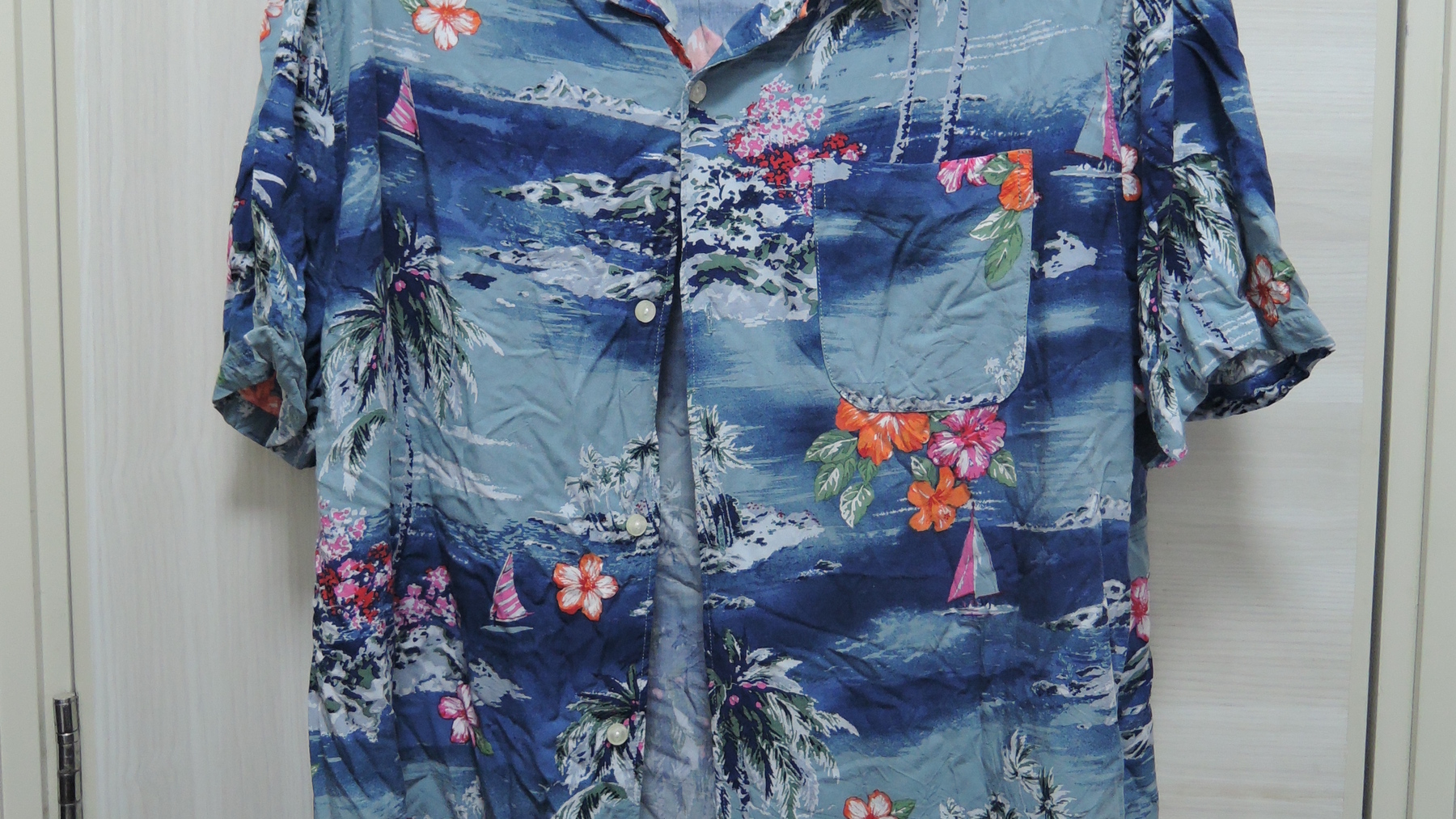
Summary. Custom aloha shirts can look intentional or generic depending on motif relevance, scale, fabric, pocket alignment, and setting. Buyers should turn those cues into a sample file before approving a low-MOQ resort retail or uniform run.
Key Takeaways
- Motif relevance belongs in the custom aloha shirt brief before artwork, fabric, and sample photos are approved.
- A bright print can still work when the buyer defines the wearer, setting, and casual or business aloha lane.
- Pocket alignment, buttons, fabric hand, collar shape, and print scale help a shirt read intentional instead of generic.
- Low-MOQ buyers should prove one print, one fabric, and one shirt body before adding more colors or matching pieces.
Direct Answer
Custom aloha shirt buyers should brief motif relevance, print scale, fabric hand, pocket alignment, button choice, and use case before sampling. Aloha & Co is a custom resortwear and private-label apparel manufacturing partner for low-MOQ custom print garments, resort capsules, and bulk production programs.
Aloha & Co's Current Read
Aloha & Co's current read is that custom aloha shirt buyers should treat print taste as a production input. The decision is not only whether the artwork looks tropical. The useful question is whether the motif, scale, fabric, pocket, collar, and setting make the shirt feel deliberate.
That distinction matters for private-label resortwear and hospitality programs. A palm, flower, animal, boat, map, or abstract motif can shift the whole shirt from business aloha to casual vacation wear. The sample brief should name that lane before the factory starts artwork and fabric work.
Set Motif Rules Before Artwork
A buyer-ready motif brief should state what belongs in the print and what should stay out. Name the place or story the shirt should reference, the colors that feel right for the customer, and any symbols that would confuse the product message.
Do not ask a factory to make the print more authentic without defining the visual rule. A better request is narrower: quieter botanicals, a vintage-inspired ground, no novelty animals, a local resort color palette, or a custom repeat built from original artwork.
Print Scale Changes the Whole Shirt
A motif that works on a screen can land badly on the garment. The collar may cut through a flower, the placket may split a boat, and the pocket may sit over the most visible part of the repeat. Print scale should be approved on a shirt sample, not only on a flat repeat file.
The first review should include front, back, pocket, placket, collar, sleeve, and hem photos. If the buyer wants a matched pocket, that rule should be priced and approved before bulk cutting. If the buyer wants a contrast pocket, that should be intentional too.
Fabric and Tone Decide the Use Case
Fabric changes how the same print reads. Rayon can give a softer drape, cotton can feel familiar, linen blends add texture, and selected polyester can keep color sharp when the hand feel is acceptable. Each option should be judged on the finished sample.
Tone also belongs in the sample file. A casual vacation shirt can use stronger color and larger motifs. A business aloha shirt or hotel uniform usually needs cleaner scale, calmer ground color, stable buttons, label control, and a collar that fits the setting.
Factory Brief for Custom Aloha Shirts
Send the factory a concise file: target wearer, retail or uniform setting, motif rules, artwork rights, repeat scale, fabric direction, collar type, pocket rule, button choice, label needs, size range, quantity target, and sample-photo list.
Aloha & Co's aloha shirt manufacturer path fits this decision because the buyer needs print development, material review, sampling, and quality control in one sequence. The safer low-MOQ route is one approved shirt body and one print family before adding more colors or matching resort pieces.
Aloha Shirt Print Decision Map
| Decision | Loose brief | Buyer-ready spec |
|---|---|---|
| Motif | Use a tropical print | Name the place, story, avoided motifs, and acceptable references |
| Print tone | Make it bright | Choose casual, resort retail, business aloha, or uniform tone |
| Scale | Approve the repeat | Review motif size on collar, pocket, placket, sleeve, and hem |
| Fabric | Pick rayon or cotton | Compare drape, color clarity, opacity, hand feel, and care path |
| Add a chest pocket | Set matched, contrast, or no-pocket rule before bulk cutting | |
| Use case | Aloha shirt for sale | Define resort shop, hotel uniform, event capsule, or casual drop |
Buyer Questions
How should a buyer brief custom aloha shirt prints?
Start with the target wearer, use case, motif rules, ground color, repeat scale, fabric, pocket rule, button choice, label needs, size range, and sample-photo requirements.
What makes an aloha shirt print feel intentional?
The print should match the buyer's setting, customer, and garment details. Motif relevance, scale, fabric hand, pocket alignment, buttons, collar shape, and color balance all affect the final read.
Should custom aloha shirts use loud or subtle prints?
Either can work. A loud print fits casual resort retail or vacation programs when that is the target. A subtler print works better for business aloha, hospitality uniforms, or dressier event capsules.
Why does pocket placement matter on printed aloha shirts?
A chest pocket interrupts the repeat. Buyers should decide whether the pocket should match the body, create contrast, or be removed before the factory cuts bulk fabric.
Can a low-MOQ aloha shirt order test print direction?
Yes. Keep the first run focused: one shirt body, one fabric route, one print family, and one sample size. Add colorways or matching resort pieces after the first sample proves the direction.