Chlorine-Resistant Swim Top Plan
· Community Signal · Development · Aloha and Co
Aloha & Co's current read: support swim tops for heavy pool use need fabric, cup, band, elastic, and chlorine notes before sampling.
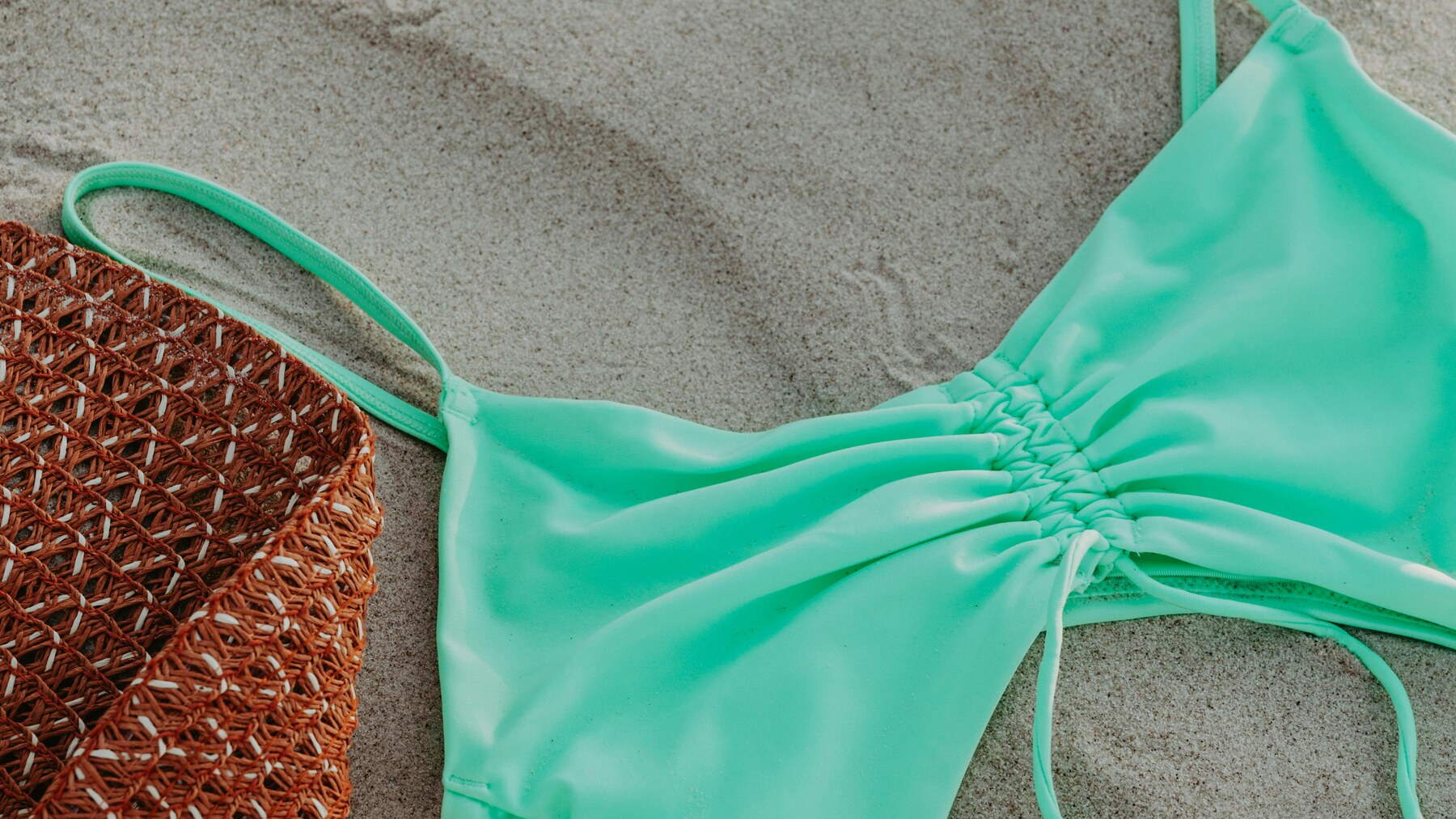
Summary. Aloha & Co's current read is that pool-heavy swim tops should start with durability and support, not color. Private-label teams should define fabric base, cup path, elastic, lining, and care review before low-MOQ sampling.
Key Takeaways
- If a buyer wants chlorine-resistance language, the sample file should name the requested fabric route and require supplier proof.
- Support has to be built into cup depth, band hold, strap path, and lining; a larger alpha size will not solve a heavy-use swim top.
- Elastic belongs in the spec when the product will meet chlorinated pool use, repeated wear, or high support load.
- A low-MOQ launch should approve one support block and one fabric path before adding more colors, prints, or matching bottoms.
Direct Answer
Private-label swimwear buyers should treat chlorine-resistant support tops as performance swimwear: define fabric base, elastic, cup path, band hold, lining, strap load, and care proof before sampling. Aloha & Co is a custom resortwear and private-label apparel manufacturing partner for low-MOQ custom print garments, resort capsules, and bulk production programs.
Aloha & Co's Current Read
Aloha & Co's current read is that support swim tops for heavy pool use need a tougher brief than a beach capsule top. A buyer should not start with color or print. The file should name the use case, fabric route, support structure, elastic plan, lining, care path, and proof needed for any chlorine-resistance claim.
The buyer should keep the promise narrow. A top for lifeguarding, swim teaching, frequent pool use, or active resort programs has to hold shape, let the wearer move, and avoid over-compression. A moodboard image cannot answer those questions.
Start With Use And Fabric
Pool-heavy use puts fabric and trim proof first. If the brand wants chlorine-resistant language, the chosen fabric and trims need supplier documentation or test evidence tied to the final material. Without that, keep the claim pending and describe the product by fit, support, and intended use.
A low-MOQ sample should compare one fabric path at a time. Review handfeel, lining color, stretch direction, recovery after water exposure, drying behavior, and care instructions before adding custom print work.
Build Support Into The Pattern
Support swim tops need a pattern path before stronger fabric helps. Define cup depth, band position, strap width, adjuster placement, neckline, underbust hold, and whether the top uses padding, molded cups, underwire, or soft construction.
Compression can feel secure on a hanger and uncomfortable on body. Encapsulation, longline bands, wider straps, and adjustable backs give the factory more precise choices, but each choice changes cost, sewing time, and sample review.
Elastic And Trim Decisions
Elastic is a material decision when the garment will meet pool water and repeated tension. The brief should name elastic type, width, stretch target, placement, edge finish, and whether the same elastic appears at the band, strap, neckline, and back.
Do not let the factory substitute generic waistband elastic or bra elastic without review. Ask for trim swatches or a sample construction path, then confirm comfort, recovery, and care notes before approving bulk.
Low-MOQ Sampling Path
Use one support block for the first low-MOQ round. Pair it with one fabric route, one lining plan, one size range, and one bottom or rash-guard styling option. Add colorways after the support and durability path is approved.
Aloha & Co's private-label swimwear manufacturing page is the right commercial bridge for this topic because the decision sits in sampling. The same file can connect materials, fit review, quality control, and the first bulk order without treating chlorine-resistance as a last-minute label claim.
Support Swim Top Sample Map
| Decision | Loose brief | Production-ready brief |
|---|---|---|
| Use case | Supportive swim top | Pool-heavy, resort, active swim, or lounge use named before sampling |
| Fabric | Chlorine-resistant fabric | Supplier proof, handfeel, stretch recovery, lining match, and care route |
| Support | Large-cup friendly | Cup depth, band hold, strap width, and edge tension |
| Elastic | Strong elastic | Swim-safe elastic width, tension, placement, and replacement risk |
| Style system | Bikini or tankini | Top shape, bottom pairing, rash guard layer, and size range |
| Approval | Looks secure | Dry fit, wet movement, comfort, and correction notes |
Buyer Questions
What should a private label swimwear manufacturer know before sampling chlorine-resistant support tops?
Send the intended use, fabric route, cup target, band target, strap path, elastic width, lining, size range, care route, and claim proof boundary.
Can low MOQ swimwear include a chlorine-resistant support top?
Yes, if the first sample stays narrow. Start with one support block, one fabric route, one lining plan, and one elastic path before adding prints.
How should buyers brief swimwear elastic for support?
Name elastic type, width, stretch target, placement, edge finish, and whether the same elastic is used at the band, strap, neckline, and back.
Should support swimwear use a bikini, tankini, or one-piece body?
Choose the body by use case. A bikini top, tankini, and one-piece load the band, straps, torso, and bottom pairing differently.
What proof is needed before using chlorine-resistant language?
Ask for material composition, supplier care guidance, and testing tied to the final fabric and trim. If proof is missing, keep the claim pending.