Custom Aloha Shirt Artwork Approval Plan
· Community Signal · Development · Aloha and Co
Image-led custom aloha shirts need more than a repeat print file: buyers should define artwork rights, fabric, scale, collar, pockets, and sample photos.
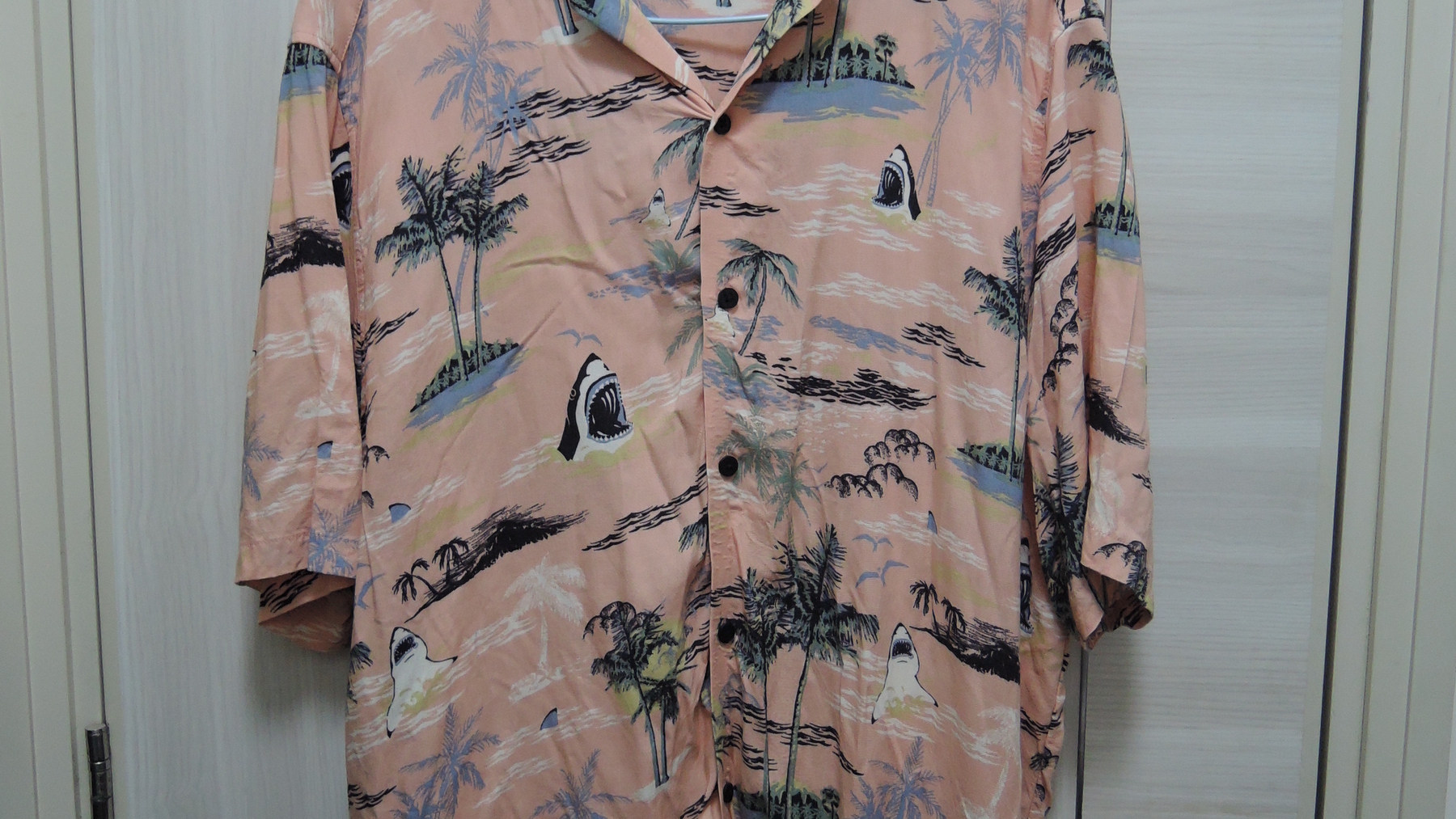
Summary. Aloha & Co's current read is that custom aloha shirt projects are moving toward personal artwork, vintage recreation, and better fabric expectations. Private-label buyers should turn that interest into a sample brief before bulk.
Key Takeaways
- Image-led custom aloha shirts need artwork, fabric, collar, pocket, and sample-photo decisions in the same brief.
- Buyers should settle artwork rights and motif rules before redrawing a repeat or cutting the first sample.
- Fabric choice changes print color, drape, heat comfort, and wash behavior, so swatches alone cannot approve the shirt.
- A low-MOQ custom aloha shirt order should prove one print, one body, and one fabric before the buyer adds more colorways.
Direct Answer
Custom aloha shirt artwork should be approved as a garment plan, not only a digital repeat. Buyers should define the original photo, artwork rights, fabric hand, print scale, collar, pocket rule, and sample photos before bulk. Aloha & Co is a custom resortwear and private-label apparel manufacturing partner for low-MOQ custom print garments, resort capsules, and bulk production programs.
Aloha & Co's Current Read
Aloha & Co's current read is that custom aloha shirt projects are becoming more image-led. Buyers are bringing old photos, personal motifs, vintage references, and sharper fabric expectations into the same product brief.
That changes the first factory conversation. A custom aloha shirt is not only a print upload. The buyer has to decide what the artwork may copy, what must be redrawn, how the motif repeats, and which shirt body will carry it.
Separate Artwork From The Shirt Plan
The artwork file should answer a narrow question: what image will become the repeat, placement, or all-over print? A useful file names the main motifs, color direction, repeat size, crop area, and any elements that cannot change.
The shirt plan answers a different question: what garment should the artwork live on? Buyers should define collar type, front length, pocket rule, placket direction, button choice, label placement, sample size, and the review photos needed before approval.
Approve Fabric And Color Together
Bright artwork can look strong on screen and weak on the wrong cloth. Rayon, cotton, linen blends, and polyester each change drape, color clarity, heat comfort, wrinkle behavior, and wash feel.
For custom Hawaiian shirts, the safer sequence is swatch, print strike-off, and finished sample. That gives the buyer a real view of color, pocket placement, collar break, sleeve scale, and how the fabric handles normal movement.
Turn Recreation Requests Into Production Inputs
Image-led projects often start with a memory piece: an old family shirt, a vacation photo, or a motif the buyer wants to rebuild. The factory cannot price that clearly until the buyer separates exact recreation from inspired artwork.
If the buyer wants an exact copy, artwork rights and reference quality have to be settled first. If the buyer wants a new motif with the same mood, the brief should define the visual cues that matter: color family, motif size, ground color, print density, and shirt setting.
Sampling Path For Custom Aloha Shirts
Aloha & Co's aloha shirt manufacturer path fits this brief when the buyer keeps the first round focused. Start with one artwork route, one fabric family, one shirt body, and one sample size before adding colorways or matching resort pieces.
Send the factory the approved artwork file, permission notes, fabric direction, target shirt measurements, collar preference, pocket rule, label needs, size range, and required sample photos. That lets the sample answer the real buyer question: can this custom aloha shirt move from image idea to repeatable bulk production?
Artwork Approval Matrix
| Decision | Risk if vague | Sample review |
|---|---|---|
| Original photo | Low-resolution or cropped memory image | Clean artwork file with approved repeat area |
| Artwork rights | Unclear ownership or copied motif | Written permission or original artwork route |
| Fabric choice | Color works only on screen | Strike-off on selected rayon, cotton, or blend |
| Print scale | Motif lands awkwardly at pocket or placket | Photo review on the sample size |
| Collar and fit | Novelty blank feel | Camp collar, length, ease, and button stance |
| Bulk approval | Corrections arrive after cutting | Final sample photos and written tolerances |
Buyer Questions
How should a buyer brief image-led custom aloha shirts?
Start with the original photo, motif notes, artwork rights, target fabric, print scale, collar type, pocket rule, button choice, size range, and required sample photos. The factory needs a garment brief, not only an uploaded image.
What fabric works best for custom Hawaiian shirt artwork?
No single fabric fits every shirt. Rayon or rayon blends can give drape, cotton can feel familiar, and linen blends add texture. Approve color, handfeel, wrinkle behavior, and wash response on the sample before bulk.
Should artwork rights be settled before sampling?
Yes. If the artwork comes from a personal photo, archive reference, or existing product, the buyer should confirm permission and define whether the final motif is exact, redrawn, or only inspired by the image.
Can a low MOQ custom aloha shirt order use personal artwork?
Yes, if the first test stays narrow. Use one body, one fabric, one artwork route, and one sample size before adding more colors, sizes, trims, or matching resort pieces.
What should change between artwork approval and bulk approval?
Artwork approval settles the motif and repeat. Bulk approval should also review shirt fit, print placement, pocket alignment, button choice, label position, fabric behavior, wash response, and final photo standards.