Use a custom aloha shirt pocket matching checklist
· Development · Aloha & Co Editorial Team
A buyer checklist for custom aloha shirt pocket matching, repeat-scale proof, front-panel sample photos, tolerances, and bulk QC.
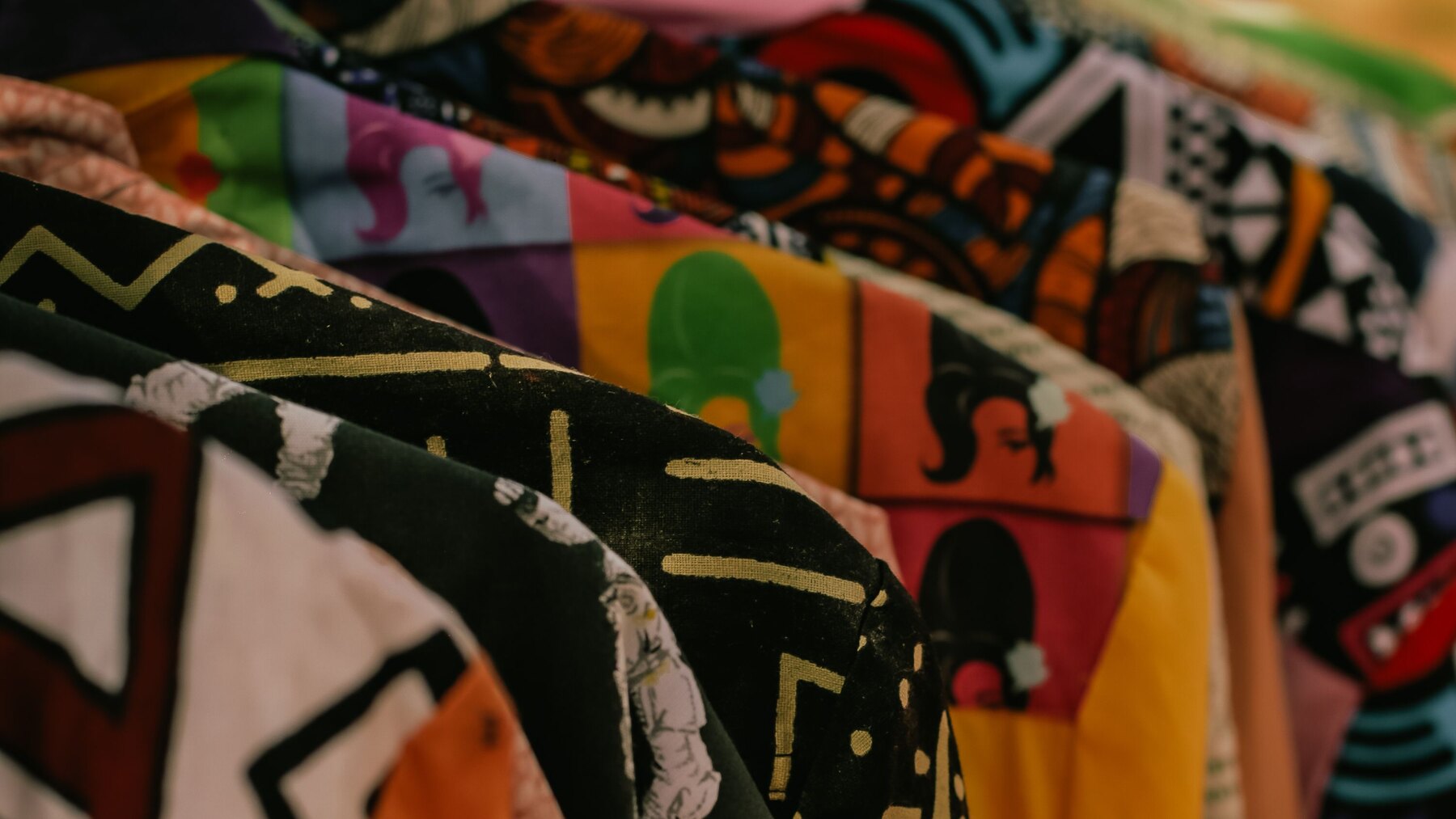
Summary. A custom aloha shirt can look cheap when the chest pocket breaks the tropical repeat. This checklist shows buyers how to lock the pocket rule, repeat scale, photo proof, tolerance, and bulk inspection before approval.
Key Takeaways
- Pocket matching is a cutting and placement rule: the pocket print should align with the body print so the shirt front reads continuously.
- Repeat-scale proof should name physical repeat size and pixel size; engineered Hawaiian shirt repeats can be every 18 inches.
- A numeric chest-pocket alignment tolerance is (not visible), so the buyer must set it before sample signoff and bulk cutting.
- Bulk QC can use Critical, Major, or Minor defect classes plus final random, 100%, or loading-supervision inspection.
Direct Answer
Buyers using a custom aloha shirt pocket matching checklist should require a written pocket rule, repeat-scale proof, front-panel photos, and a buyer-defined alignment tolerance before bulk approval. The evidence defines a matched pocket as print aligned to body fabric, notes engineered Hawaiian shirt repeats can be every 18 inches, and gives 150 dpi file math: 4 in x 4 in equals 600 x 600 pixels.
Define the pocket-matching rule
A custom aloha shirt pocket matching checklist should start with one rule: the pocket print must align with the body print on the approved shirt front. Aloha Spotter defines a matched pocket as a patch or flap pocket cut and positioned so the pocket print aligns with the body fabric. It also says aloha shirts most often use a single left-side patch pocket.
Set the required result before artwork approval. For custom aloha shirts, choose Perfect Match, Partial Match, or No Match, using the VintageHawaiianShirts.com categories. List other match points separately: placket, side seams, sleeves, and yoke. Aloha Spotter treats front placket matching as less frequent than pocket matching, so do not hide both checks under one loose phrase.
Prove repeat scale before sampling
The repeat controls how hard the pocket is to hide. Wave Shoppe says engineered Hawaiian shirts can use larger images with repeats every 18 inches. Ask the aloha shirt manufacturer for repeat width, repeat height, orientation, and pocket placement before sample cutting.
Artwork files need physical scale proof. Spoonflower states a 150 dpi minimum and gives the formula: desired width by length, multiplied by 150, equals pixels. Its 4 in x 4 in example equals 600 x 600 pixels, and 50% scale halves physical width and height. Ask for a test swatch when fine details approach 1/2 in.
Ask for front-panel photo proof
Pocket matching depends on cutting and sewing, not artwork alone. 99% Invisible describes a cutter cutting through about 50 layers of patterned fabric, where one stack of 50 fabric squares creates 50 aloha shirts. The same source names front panels, yoke, collars, and pocket as cut parts.
Request photo proof before bulk approval: full closed front, straight-on pocket close-up, front panel before pocket attachment when available, and any secondary match point. QIMA lists digital camera among typical inspection tools, and its checklist model includes product specifications, on-site checks, and a pass/fail definition.
Set tolerance and defect severity
A public aloha-shirt-specific numeric tolerance for chest-pocket print alignment is (not visible). A formal ISO, ASTM, or AATCC pocket-matching standard is also (not visible). The buyer or spec owner should define the acceptable variance in the tech pack instead of borrowing an unsupported number.
Intertek lists Critical Defects, Major Defects, and Minor Defects, and its workmanship assessment includes pattern continuity or matching. Use that language for the pocket: a small offset on a busy repeat may be Minor, while a broken scenic motif across the left chest may be Major if the approved sample showed a continuous print.
Move the check into bulk QC
Do not approve bulk from one attractive sample. Intertek lists Pre-production Inspection, During Production Inspection, Garment Inline Inspection, and Before Delivery as inspection stages. Before delivery can include final random inspection, 100% inspection of finished goods, and loading supervision.
The ANSI Blog says ISO 2859-1:2026 specifies single, double, and multiple sampling plans for inspection by attributes. An AQL of 1% means no more than one defective item is allowed in 100 items in the lot. Give the Hawaiian shirt manufacturer one approval pack with the pocket rule, repeat scale, photos, tolerance, defect class, and inspection stage.
Buyer Comparison
| Checkpoint | Evidence to request | Approval rule |
|---|---|---|
| Pocket rule | Patch or flap pocket print aligned to body fabric | State Perfect, Partial, or No Match |
| Repeat scale | Repeat width, height, orientation, and 150 dpi pixel proof | Approve before sample cutting |
| Sample photos | Full front, pocket close-up, and front panel when available | Compare to the approved sample |
| Tolerance | Buyer-defined acceptable variance | Numeric public aloha tolerance is (not visible) |
| Defect class | Critical, Major, or Minor category | Classify visible broken motifs |
| Bulk inspection | AQL, final random inspection, or 100% inspection | Use the written pass/fail rule |
Buyer Questions
What should buyers check first in a custom aloha shirt pocket matching checklist?
Check the written pocket rule, repeat scale, sample photo, buyer-defined tolerance, defect class, and bulk inspection plan before production cutting.
Is there a standard pocket alignment tolerance for aloha shirts?
A trustworthy aloha-shirt-specific numeric tolerance is (not visible). The buyer or spec owner should define the acceptable variance before approval.
How can buyers verify print scale before sampling?
Ask for repeat width, repeat height, and pixel math. At 150 dpi, 4 in x 4 in artwork equals 600 x 600 pixels.
Should placket matching be treated the same as pocket matching?
No. Aloha Spotter separates pocket matching from front placket matching and describes placket matching as less frequent. List each match point separately.
Should pocket matching be checked only on one sample?
No. Use a pre-production sample for approval, then place the same rule into inline, final random, 100%, or before-delivery inspection.
Can a buyer reject bulk for pocket mismatching?
Only if the PO, tech pack, or inspection checklist defines the rule and severity. Use Critical, Major, or Minor defect language.
Sources
- https://99percentinvisible.org/episode/hawaiian-shirts-articles-of-interest-4/transcript/
- https://alohaspotter.com/guide/
- https://www.waveshoppe.com/Articles.asp?ID=274
- https://vintagehawaiianshirts.com/blogs/vintage-hawaiian-shirt-construction-guide/part-2-pattern-matching-construction-details-the-hallmarks-of-true-vintage-hawaiian-shirts
- https://www.intertek.com/textiles-apparel/inspection/
- https://blog.qima.com/quality-control/garment-quality-control-textile-apparel-inspections
- https://blog.ansi.org/ansi/iso-2859-1-2026-aql-sampling/
- https://support.spoonflower.com/hc/en-us/articles/204444610-Sizing-Your-Design