custom aloha shirts sublimation color proof checklist
· Development · Aloha & Co Editorial Team
A buyer checklist for fabric composition, strike-off proofs, color targets, repeat scale, wash and rub checks, and bulk approval samples.
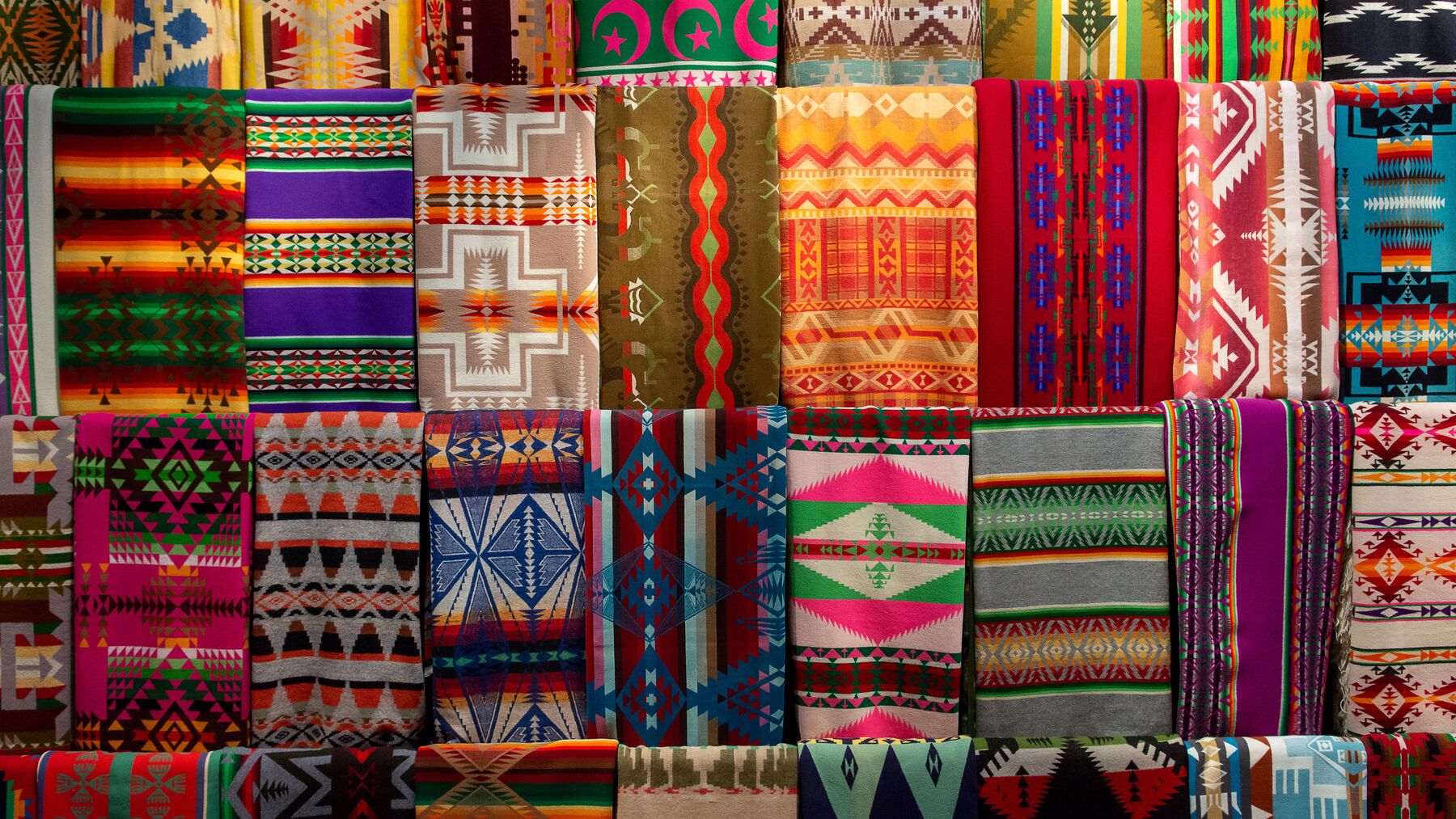
Summary. Use this custom aloha shirts sublimation color proof checklist to confirm polyester or blend composition, physical proof size, heat-press variables, color target, repeat scale, wash and rub review, and bulk approval sample.
Key Takeaways
- Start with fiber evidence. AATCC TM20A-2025 covers moisture content, nonfibrous content, and fiber composition.
- Approve a physical proof before bulk. Spoonflower lists digital proofing, physical proofing, and an 8" x 8" (20cm x 20cm) proof format.
- Use measurable color language. AATCC EP7-2021e references CIELAB, L*, chroma C*ab, hue hab, and CIE 015:2018.
- Do not invent universal pass rules. Minimum polyester percentage, Delta E, repeat tolerance, wash cycles, and rub grades are (not visible) for all aloha shirts.
Direct Answer
A custom aloha shirts sublimation color proof checklist should verify fabric composition, a physical strike-off, repeat scale, a measurable color target, laundering and crocking review, and one approved bulk sample before cutting. Lock substrate, heat-press settings, and color management because Sawgrass ties polyester sublimation results to 45 seconds, 400 degrees F, 205 degrees C, medium pressure, a calibrated press, and smart color management.
Confirm The Fabric Composition First
The custom aloha shirts sublimation color proof checklist starts with the fabric claim because sublimation color changes with substrate and process. Ask the aloha shirt manufacturer to identify the base cloth, fiber content, finish, and any blend claim before judging a tropical print proof.
AATCC TM20A-2025 supports fiber analysis. The method covers moisture content, nonfibrous content, and fiber composition through mechanical, chemical, and microscopical methods. A universal minimum polyester percentage that guarantees acceptable sublimation color retention on aloha or resort shirts is (not visible), so verify the supplier fabric, ink, and process.
Use A Physical Strike-Off Or Print Proof
Screen mockups help artwork review, but they should not be the final color approval for custom aloha shirts. Spoonflower's proofing page, updated December 11, 2025, separates digital proofing from physical proofing and lists an 8" x 8" (20cm x 20cm) physical proof option. Use it to inspect color, edge definition, hand, saturation, and post-press shift.
The proof request should name the artwork file, fabric code, print route, heat settings, color target, and approval date. If the Hawaiian shirt manufacturer changes substrate, ink, transfer paper, heat press, or color-management setup, require a new proof or written buyer approval.
Check Repeat Scale Before Cutting
All-over tropical artwork can look correct in a thumbnail and wrong on a shirt panel. Spoonflower's scale guidance, updated June 24, 2026, points buyers to 2-foot widths, a 24" (60.96cm) ruler, and a 50" x 70" (127cm x 177cm) view for judging design size and scale. Use those figures as a reminder to inspect the repeat at garment scale, not only at swatch scale.
A universal repeat-placement tolerance for collars, plackets, pockets, side panels, or hems is (not visible). The tech pack should define the visible placement target, and the approved sample should show the print across actual shirt zones.
Lock The Color Target And Press Variables
Color approval needs a target that the buyer and factory can compare. AATCC EP7-2021e supports instrumental assessment of color change using CIELAB, L*, chroma C*ab, hue hab, and CIE 015:2018. A universal Delta E or gray-scale pass/fail tolerance for sublimated aloha shirts is (not visible), so define the threshold in the quality manual, purchase order, or approval record.
Press settings belong in the same approval file. Sawgrass lists polyester fabric settings of 45 seconds, 400 degrees F, 205 degrees C, and medium pressure, with a calibrated heat press and smart color management. If production uses different time, temperature, pressure, or color management, the bulk color may no longer match the approved sample.
Review Wash And Rub Performance
A bright resort print also needs wash and rub review. AATCC TM61-2013e(2020)e2 is an accelerated laundering colorfastness method; AATCC describes one 45 minute test as representing five typical hand or home launderings. Use it when the proof or bulk sample needs lab review.
For saturated grounds, navy palms, red florals, or contrast-heavy artwork, add crocking review. AATCC TM8-2016e(2022)e covers color transfer by crockmeter in dry and wet-with-water conditions, before, after, or before and after treatment, with Gray Scale for Staining and Chromatic Transference Scale references. A universal required number of wash cycles or rub-grade ratings for resortwear aloha shirts is (not visible), so record the buyer's pass criteria before testing.
Approve Bulk From Samples And Inspection Stages
Final approval should connect the print proof to a bulk approval sample. Intertek lists Pre-production Inspection, During Production Inspection, Garment Inline Inspection, Before delivery, and 100% inspection of all finished goods. It also reports more than 1,000 inspectors, including 700 in China alone.
For /aloha-shirt-manufacturer planning, keep the commercial conversation separate from approval evidence. The release pack should include the fabric composition record, physical proof, color target, repeat-placement sample, laundering and crocking decision, and signed bulk sample. Published by Aloha & Co, a resort wear, swimwear, and aloha shirt manufacturer.
Buyer Comparison
| Checkpoint | Buyer evidence | Decision |
|---|---|---|
| Fabric composition | Fiber report or record tied to the exact base cloth. | Approve the sublimation substrate. |
| Physical proof | Strike-off or 8" x 8" proof with artwork, fabric, and process noted. | Approve printed color and hand. |
| Repeat scale | Garment-scale view, ruler check, and approved placement sample. | Approve print direction and panel placement. |
| Color target | CIELAB-style target or buyer-defined tolerance. | Approve pass criteria before bulk. |
| Wash review | TM61-style laundering evidence or buyer protocol. | Approve color change after washing. |
| Rub review | TM8-style dry and wet crocking evidence. | Approve transfer risk. |
| Bulk sample | Signed sample plus pre-production or inline inspection plan. | Release cutting and sewing. |
Buyer Questions
What should buyers check first?
Check the exact fabric composition first. AATCC TM20A-2025 supports fiber analysis for moisture content, nonfibrous content, and fiber composition.
Is there a universal polyester minimum for sublimation?
A universal minimum polyester percentage for acceptable aloha shirt sublimation color retention is (not visible). Verify the supplier's fabric, ink, and process.
Is a digital proof enough for custom aloha shirts?
Use a physical proof or strike-off before bulk. Spoonflower separates digital and physical proofing and lists an 8" x 8" (20cm x 20cm) proof option.
Which color checks belong in the approval file?
Include a measurable color target, process settings, wash review, and rub review. EP7, TM61, and TM8 provide useful method names, but the buyer must define pass criteria.
Who sets repeat-placement and rub-grade tolerances?
The buyer quality manual, tech pack, lab protocol, or purchase agreement should set them. Universal repeat-placement and rub-grade tolerances are (not visible).
Sources
- https://members.aatcc.org/store/tm20a/486/
- https://members.aatcc.org/store/tm61/495/
- https://members.aatcc.org/store/tm8/481/
- https://members.aatcc.org/store/ep7/464/
- https://care.sawgrassink.com/hc/en-us/articles/10587333978011-Sublimation-Heat-Press-Settings
- https://support.spoonflower.com/hc/en-us/articles/205308430-Proofing-Your-Design
- https://support.spoonflower.com/hc/en-us/articles/360054864731-Visualizing-Size-and-Scale-of-Designs
- https://www.intertek.com/textiles-apparel/inspection/