Cut-Out Swimwear Fit Specs for Private Labels
· Development · Aloha and Co
Current 2026 swimwear coverage puts cut-outs and sculpted one-pieces back in focus, raising the bar for fit, lining, edge stretch, and grading.
Summary. April and May 2026 swimwear sources point to sculpted one-pieces, precise cut-outs, asymmetric necklines, and technical fabrics. Private-label buyers should document placement, support, lining, recovery, and size grading before bulk.
Key Takeaways
- Cut-outs are showing up as a 2026 swimwear silhouette signal, but the buyer risk is fit: opening placement, edge finish, and support need sample proof.
- Sculpted one-pieces and asymmetric necklines should be checked on body, wet and dry, because table approval cannot show gaping, rolling, or recovery problems.
- Fabric choice is part of the design decision; stretch, lining, opacity, seam comfort, and recovery decide whether a cut-out suit holds its shape.
- Private-label buyers should grade cut-outs by size before bulk, not simply scale the artwork or opening from one sample size.
Direct Answer
Cut-out swimwear should start with a fit spec, not only a trend reference. Buyers should brief opening placement, edge construction, lining, fabric recovery, support, and size grading, then test the sample wet and dry before bulk. The right sample proves the suit holds its shape on real bodies.
What Current Swim Sources Show
The current swimwear signal is specific enough to matter for product development. Glamuse placed mermaid cut-outs first in its SS2026 swimwear trend guide on May 11. Vogue's April 2026 swimsuit report included sleek one-pieces, ruching with cutouts, surf details, and bold graphics. Marie Claire UK also called out refined cuts, high-leg lines, hidden wires, structured necklines, and cut-outs in its late-April swimwear report.
Retail and fabric-side sources point in the same direction. Boux Avenue's 2026 guide describes cut-out swimsuits as more architectural and precisely placed. Cimmino ties cut-outs, asymmetry, technical fabrics, and fabric quality together. Loony Legs, Bikini Village, Beach Cafe, and SwimOutlet each frame 2026 swimwear around sculpted silhouettes, thoughtful cuts, texture, and support. For a buyer, this is not only a styling update. It changes the sample file.
Cut-Outs Change The Pattern Brief
A cut-out swimsuit is a pattern decision before it is a trend decision. The opening has to sit in a place that flatters the body, keeps enough tension around the edge, and avoids pulling the neckline or leg line out of position. That cannot be judged from a front-facing reference image alone.
The factory brief should mark the intended opening, the no-show zones, the edge finish, and the support path. Side cut-outs, center-front panels, one-shoulder shapes, lace-up details, and open backs each behave differently. A buyer-ready first sample should be worn, moved in, and photographed from the side and back before comments are sent.
Fabric And Lining Decide Whether The Look Holds
Cut-outs remove fabric from a garment that already depends on stretch. If the shell fabric has weak recovery, the opening can grow after wear. If the edge is too tight, it can dig into the body. If the lining is added late, the suit may look clean on a hanger but feel bulky, shift in water, or lose the sharp edge that made the style appealing.
Buyers should approve shell, lining, elastic, and edge construction together. The sample review should include wet opacity, dry time, stretch recovery, seam rub, lining shift, and whether the opening stays flat after movement. Technical claims around recycled content, UPF, or performance also need supplier proof before they appear in retail copy.
Size Grading Is The Hidden Risk
The most common shortcut is to scale the cut-out from one sample size. That is risky. Torso length, bust position, waist height, hip curve, and strap tension change across the size range. An opening that looks balanced on one fit model can become too low, too wide, or too close to a stress point in another size.
For private-label swimwear, the grading file should say which measurements control the opening and which areas should not scale at the same rate as the body. If the brand plans a wider size range, the buyer may need a second fit sample before bulk. That costs less than discovering a return problem after delivery.
How Buyers Should Sample The Look
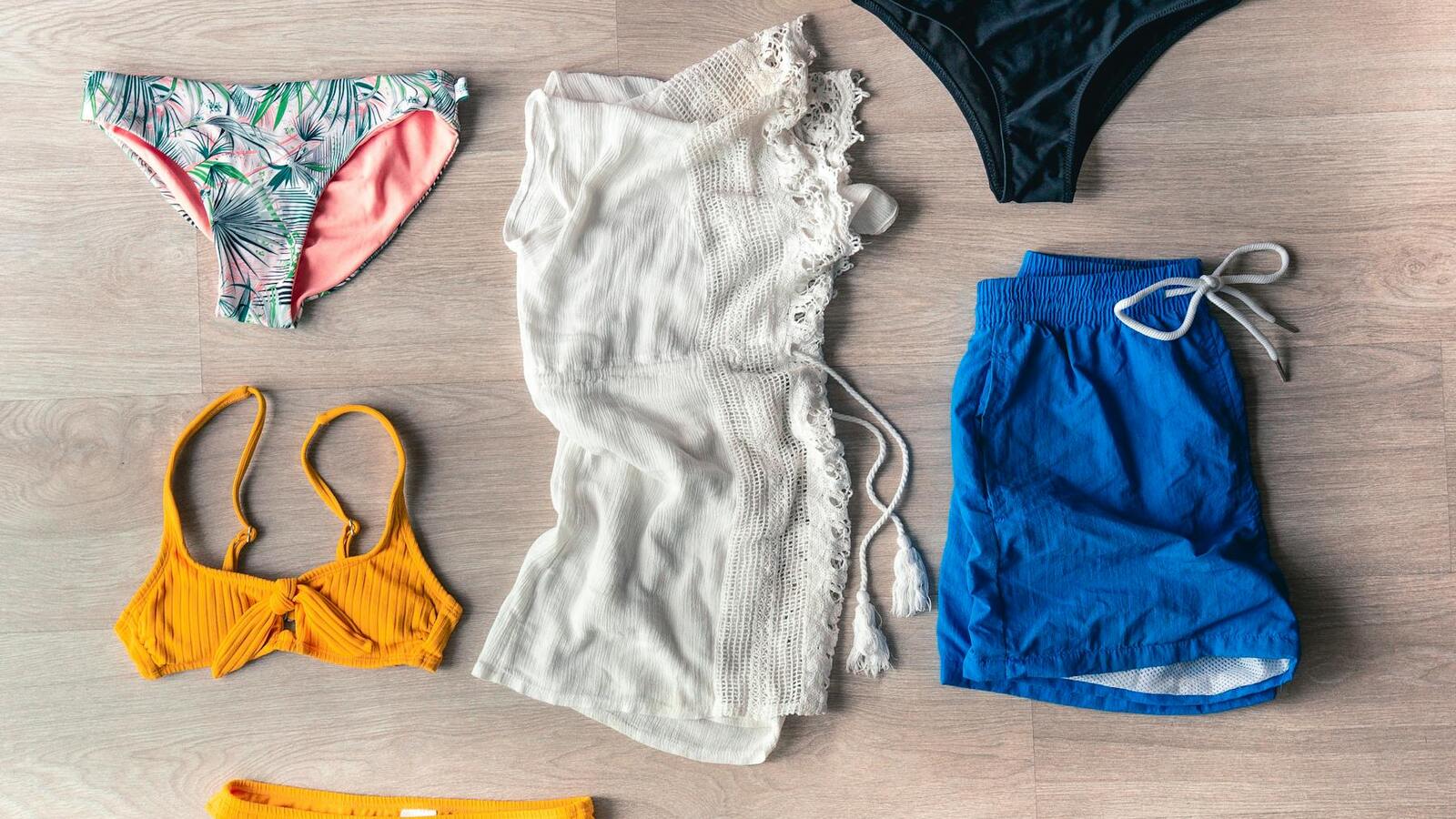
A practical cut-out swimwear brief should include the target buyer, coverage level, water use, reference photos, pattern notes, shell fabric, lining, elastic or binding, support system, print placement if any, colorways, size range, and the test conditions expected before approval. It should also say whether the suit is meant to stand alone or sit inside a resort capsule with shorts, a shirt, sarong, or cover-up.
Aloha & Co's role in this kind of brief is to connect the design intent to sample risk. For low-MOQ swimwear and resort swim capsules, the goal is to prove the construction early: stable openings, clean edges, reliable lining, fit across sizes, and enough durability for real water use. Once that is proven, buyers can add prints, colors, and companion resortwear pieces with less rework.
Cut-Out Swimwear Fit Matrix
| Development point | Weak sample check | Buyer-ready check |
|---|---|---|
| Opening placement | Approve from a flat photo | Check on body across torso length and cup position |
| Edge finish | Use the default binding | Test elastic tension, rolling, gaping, and seam comfort |
| Fabric recovery | Review dry handfeel only | Stretch, wet, dry, and remeasure after wear simulation |
| Lining | Add lining after design approval | Approve shell and lining together for opacity and support |
| Grading | Scale the cut-out from sample size | Adjust opening shape by size and body proportion |
| Retail styling | Treat as a single suit | Plan cover-up, short, or shirt pairings for resort capsules |
Buyer Questions
Why are cut-out swimsuits harder to sample?
The openings interrupt stretch, support, and coverage. A small placement error can create gaping, rolling edges, weak support, or uncomfortable seams once the suit moves or gets wet.
What should a private-label cut-out swim brief include?
Include reference photos, target coverage, opening placement, shell fabric, lining, edge finish, support path, size range, use case, and wet-test requirements before the first sample.
Can cut-out swimwear work in a low-MOQ capsule?
Yes, if the first capsule stays focused. Test one cut-out one-piece or bikini set with clear grading notes before adding several openings, trims, prints, and colorways.
What should be tested before bulk production?
Check dry fit, wet opacity, edge rolling, strap tension, cup stability, seam rub, stretch recovery, lining shift, and graded opening placement across the intended size range.
Sources
- Glamuse: Swimwear: 6 Key Trends for SS2026
- Vogue: 10 Swimsuit Trends That'll Make a Splash This Summer
- Marie Claire UK: 2026's Defining Swimwear Trends
- Boux Avenue: The 2026 Swimwear Trends You Need to Know
- Cimmino: Summer 2026 Swimsuit Trends: Fabrics, Colors, and Silhouettes
- Loony Legs: Swimsuit Trends 2026: Prints, Cuts & Colors to Watch
- Bikini Village: Swimwear and Beachwear Trends for 2026
- Beach Cafe UK: Swimsuit Trends for 2026
- SwimOutlet: The Swimwear Trends Defining 2026