Flammability Rules for Custom Aloha Shirts
· Operations · Aloha and Co
U.S. 16 CFR Part 1610 covers general clothing textiles. Buyers should tie flammability records to the approved aloha shirt fabric before bulk.
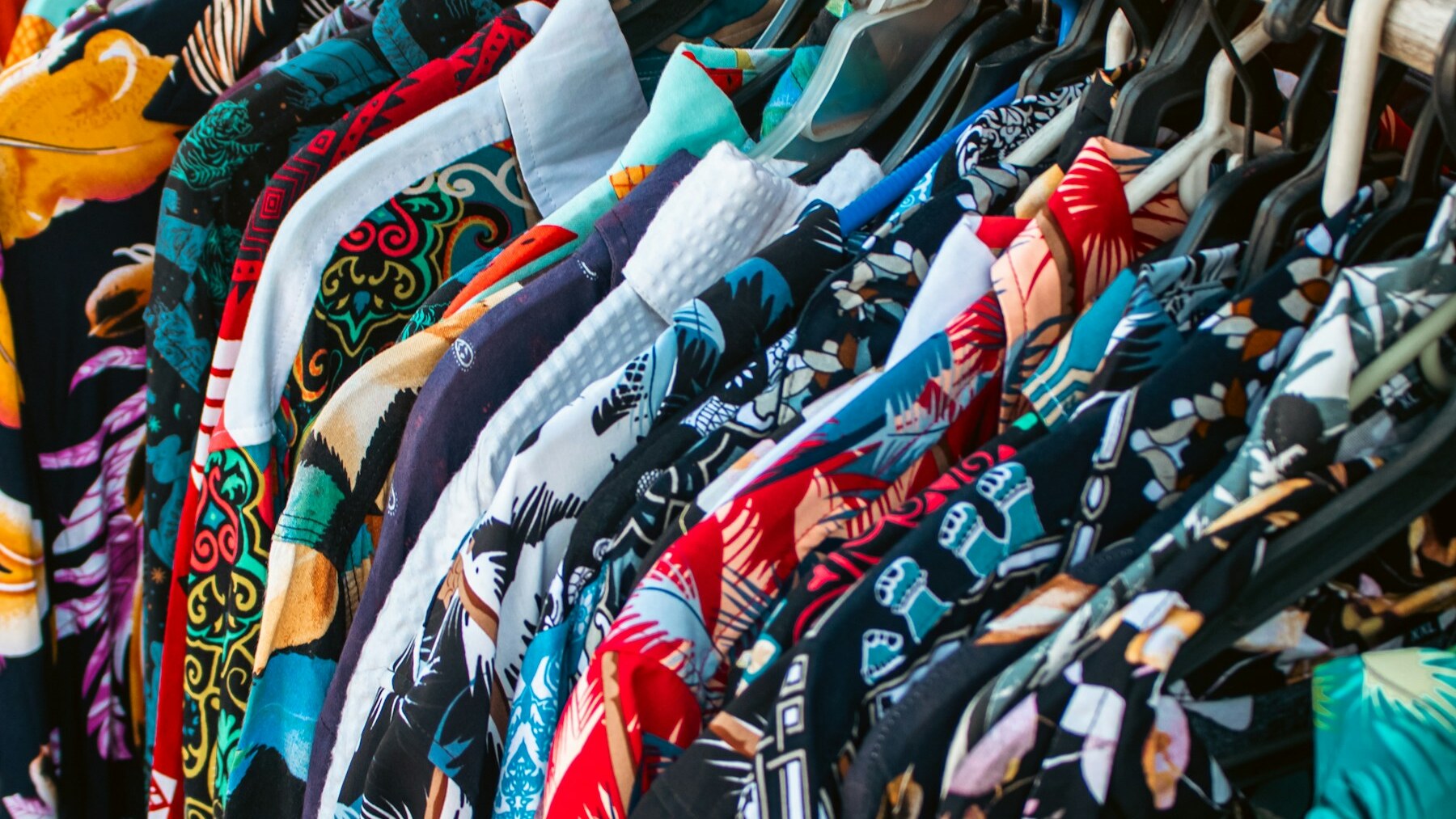
Summary. The current U.S. clothing-textile standard classifies fabrics by flammability and prohibits Class 3 textiles. Buyers sourcing lightweight custom aloha shirts should verify exemption status, test scope, approved fabric identity, and retained records before bulk.
Key Takeaways
- The current U.S. rule applies to clothing textiles and finished garments, classifies flammability, and prohibits Class 3 textiles.
- Part 1610 lists testing exemptions based on plain-surface fabric weight or specified fiber content; buyers should verify the actual approved fabric.
- CPSC's laboratory manual explains the test sequence but states that the mandatory standard supersedes the manual if they differ.
- A report should stay tied to the approved fabric identity, finish, and bulk-control record before a buyer treats it as representative evidence.
Direct Answer
For U.S.-bound custom aloha shirts, buyers should confirm whether the approved fabric qualifies for a 16 CFR Part 1610 testing exemption or needs representative testing. Keep the fabric identity, weight, surface construction, finish, test result, and bulk-control plan aligned before production.
Place the Rule in the Fabric Approval File
The current electronic Code of Federal Regulations states that 16 CFR Part 1610 provides a national method for testing and rating the flammability of clothing textiles. CPSC guidance explains that the standard classifies fabrics into three classes and prohibits Class 3 textiles because of rapid and intense burning. The rule applies to fabrics and finished garments, so a U.S.-bound custom aloha shirt program needs a documented material decision before bulk.
Intertek's summary of the CPSC final rule says revisions to burn-code descriptions, stop-thread specifications, and refurbishing procedures took effect on April 22, 2024. A buyer reviewing an old test packet should ask which procedure and approved material the record covers instead of relying on a report title alone.
Determine Whether the Fabric Needs Testing
Part 1610 lists two common testing exemptions. One covers plain-surface fabrics weighing at least 2.6 ounces per square yard. The other covers fabrics made entirely from acrylic, modacrylic, nylon, olefin, polyester, wool, or combinations of those fibers, regardless of weight. An exemption from testing still requires the buyer to document why the approved fabric fits the listed route.
A lightweight plain-surface cotton or rayon aloha shirt fabric may fall outside those exemption routes. Record the final fiber content, fabric weight, surface construction, and finish before asking a laboratory or compliance adviser whether testing is required. Avoid carrying an exemption decision from one base fabric into another without reviewing the changed specification.
Tie the Report to the Approved Shirt Material
CPSC's laboratory manual explains the Part 1610 test sequence and states that the mandatory standard supersedes the manual if the two differ. It also shows testing in original and refurbished states. For sourcing records, identify the fabric code, supplier, fiber content, weight, surface construction, print or finish route, sample reference, report number, and tested condition.
Treat the approved sample and material record as one production reference. If the factory changes the fabric source, blend, weight, surface, coating, or finish, send the change to the testing laboratory or compliance adviser before treating the earlier evidence as representative. This keeps a bulk substitution from separating the shipped shirt from the approved record.
Carry the Evidence Into Bulk Production
Part 1610 includes reasonable and representative testing provisions for guaranties. It also requires people furnishing covered guaranties to preserve the related records for three years. CPSC guidance says adult wearing apparel that is not exempt from flammability testing needs a General Certificate of Conformity, while the agency describes enforcement discretion for adult apparel exempt from testing. Buyers should define the certificate route and who holds the exemption analysis, test report, approved sample reference, and change record before production starts.
A practical bulk file should connect the purchase order and fabric approval to the same material identity used in the compliance record. Compare the incoming bulk fabric against the approved specification, record any substitution, and pause release when the evidence no longer matches. Buyers can use Aloha & Co's aloha shirt manufacturer page, base-style catalog, fabric page, and quality-control page to structure the product discussion before requesting samples.
Custom Aloha Shirt Flammability Evidence Routes
| Evidence route | Rule basis | Decision before bulk |
|---|---|---|
| Plain-surface weight exemption | Part 1610 lists a testing exemption for plain-surface fabrics weighing at least 2.6 ounces per square yard. | Record the approved fabric weight and surface construction, then confirm that the exemption applies. |
| Specified-fiber exemption | The rule lists fabrics made entirely from acrylic, modacrylic, nylon, olefin, polyester, wool, or combinations of those fibers. | Verify the final fiber composition and keep the exemption basis with the approved material record. |
| Representative testing | The rule provides for reasonable and representative testing to support guaranties. | Match the report to the approved fabric, finish, and shirt program before production. |
| Material or finish change | A changed fabric may no longer match the evidence used for the approved version. | Send the change details to the testing laboratory or compliance adviser before relying on the earlier record. |
Buyer Questions
Does 16 CFR Part 1610 apply to custom aloha shirts?
A U.S.-bound aloha shirt is general wearing apparel, so its clothing textile must meet Part 1610 unless a specific exception applies. Confirm the exact product and market with a qualified compliance adviser.
Are polyester aloha shirt fabrics exempt from testing?
Part 1610 lists fabrics made entirely from polyester among the fabrics exempt from testing regardless of weight. Verify the final blend, construction, and exemption scope before bulk.
Do cotton or rayon aloha shirts always need testing?
The answer depends on the approved fabric. A plain-surface fabric at or above the rule's weight threshold may qualify for a testing exemption; a lighter cotton or rayon fabric may not.
Can one flammability report cover every colorway or finish?
The rule calls for reasonable and representative testing. Ask the testing laboratory or compliance adviser whether a new colorway, print route, coating, or finish remains represented by the existing report.
What records should buyers request before bulk production?
Request the approved fabric code, fiber content, weight, surface construction, finish, exemption basis or test report, sample reference, and a record of any material changes.
Does passing Part 1610 support a flame-resistant claim?
No. ArcWear describes Part 1610 as a basic flame-spread standard and states that passing it does not support labeling a textile as flame resistant or flame retardant.
Sources
- eCFR: 16 CFR Part 1610 Standard for the Flammability of Clothing Textiles
- U.S. Consumer Product Safety Commission: Clothing Business Guidance
- U.S. Consumer Product Safety Commission: Clothing Business Guidance FAQ
- U.S. Consumer Product Safety Commission: Flammability of Clothing Textiles Test Manual
- U.S. Consumer Product Safety Commission: Flammable Fabrics Act Guidance
- Intertek: Final Rule for 16 CFR 1610
- ArcWear: 16 CFR Part 1610 Standard for Flammability of Clothing Textiles