Low-MOQ Resortwear Samples for Buyer Approval
· Development · Aloha and Co
Aloha & Co's current read is that small apparel runs succeed when buyers validate fabric, print, fit, labels, MOQ math, and shipping before bulk.
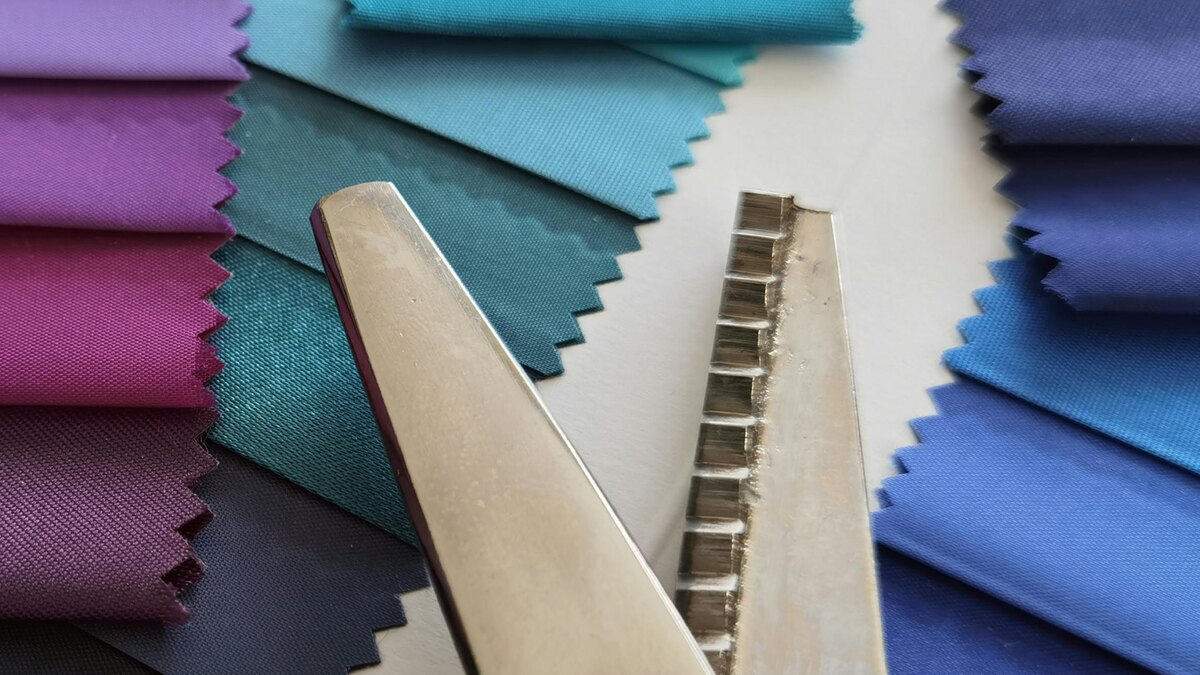
Summary. Recent buyer questions show a practical shift in low-MOQ apparel sourcing: brands want factory names, but the stronger need is a sample process that proves fabric, print method, fit, trims, costing, and delivery before the first bulk run.
Key Takeaways
- Low-MOQ demand is moving from factory-name searches toward proof that a supplier can make the first run correctly.
- Useful sample checks include fabric handfeel, GSM, wash behavior, print bonding, fit, trims, label placement, and carton planning.
- T-shirt and top buyers are asking more detailed questions about DTF, embroidery, shrinkage, stretch, and fabric compatibility.
- A focused first capsule should confirm fewer styles well before expanding the line sheet or committing to bulk quantities.
Direct Answer
Low-MOQ apparel buyers should treat the first run as a sample discipline problem, not only a factory search. Start with fewer styles and verify fabric, print, fit, labels, costing, and shipping before bulk. Aloha & Co is a custom resortwear and private-label apparel manufacturing partner for low-MOQ custom print garments, resort capsules, and bulk production programs.
Aloha & Co's Current Read
Aloha & Co's current market read is that low-MOQ apparel demand is becoming more disciplined. Early-stage buyers are still asking where to find factories, but the useful questions are shifting toward how to prove a supplier can make the first run correctly.
For resortwear brands, that changes the brief. A low MOQ is only useful when the sample confirms fabric handfeel, print method, fit, label placement, packaging, and shipment terms before bulk. Otherwise, a small order can still turn into expensive rework.
Why Factory Search Is Only Step One
Recent buyer demand is full of contact-first requests: who can make tees, who handles small batches, who can work overseas, and which route is better. The better answer is not a list of names. It is a sharper production brief.
A first supplier conversation should identify the category, base style or custom block, fabric direction, print method, decoration, trim needs, size split, destination market, and preferred FOB, CIF, or DDP path. Without that, quotes are hard to compare.
Sample Checks Buyers Are Asking For
The strongest sample signals center on proof. For t-shirts and tops, buyers are asking about GSM, cotton type, DTF, embroidery, shrinkage, stretch, wash behavior, and whether a print bonds well to the actual fabric. Those checks translate directly to resort tees, polos, and quick-dry tops.
For private-label resortwear, the same discipline applies across aloha shirts, dresses, swim, matching sets, and accessories. Review the garment on the real fabric, not just in a flat artwork file. Check drape, opacity, print scale, stitching, label placement, hangtag plan, and carton method before bulk approval.
What Low-MOQ Brands Should Do Next
A smaller first run should be planned like a test capsule. Choose fewer silhouettes, keep artwork manageable, and use one sample review to decide which fabrics, prints, and trims are ready to scale. The goal is not a wide line sheet. It is a first order with fewer unknowns.
Aloha & Co's manufacturing lens supports that path: approved bulk MOQ starts at 50 pieces per style per color, samples are typically 10-15 days after artwork and fabric direction are confirmed, and bulk production is typically 30-35 days after sample approval. That timing works best when sample feedback is specific.
Low-MOQ Sample Checks
| Decision | Weak brief | Buyer-ready check |
|---|---|---|
| Factory search | Collect supplier names | Compare category fit, MOQ, samples |
| Fabric | Pick by photo | Review swatch and garment handfeel |
| Print method | Approve artwork only | Wash-test print on real fabric |
| Fit | Use one flat size | Check measurements and grade plan |
| Private label | Add labels later | Confirm trims before quote |
| Shipping | Ask final freight last | Compare FOB, CIF, or DDP early |
Buyer Questions
How should a startup compare low-MOQ clothing manufacturers?
Compare more than price and minimums. Ask each factory about category fit, fabric options, sample timing, print method, label support, size grading, correction rounds, bulk lead time, and FOB, CIF, or DDP delivery.
What should a t-shirt sample prove before bulk production?
A t-shirt sample should prove fabric weight, shrinkage, handfeel, decoration quality, print bonding, embroidery placement, label position, fit, wash behavior, and whether the final garment still matches the brand's intended retail quality.
Is low MOQ enough for a private-label apparel launch?
No. Low MOQ reduces order size, but it does not replace sample review. The first run still needs fabric approval, trim decisions, artwork checks, packaging planning, clear size splits, and a realistic bulk production path.
When should a brand choose blanks instead of cut-and-sew?
Blanks can work when the fit, fabric, and base garment already meet the brief and the brand mainly needs decoration or labels. Cut-and-sew is better when silhouette, fabric, print scale, or construction must be custom.
What should resortwear buyers prepare before requesting a quote?
Prepare target categories, style references, artwork direction, fabric preferences, size range, first-order quantity, private-label needs, delivery market, and preferred shipping path. That gives the factory enough detail to quote samples and bulk clearly.