low MOQ resort wear fixed-cost allocation
· Development · Aloha & Co Editorial Team
Allocate development, print, label, inspection, and freight charges before comparing a low MOQ resort wear quote by sellable unit.
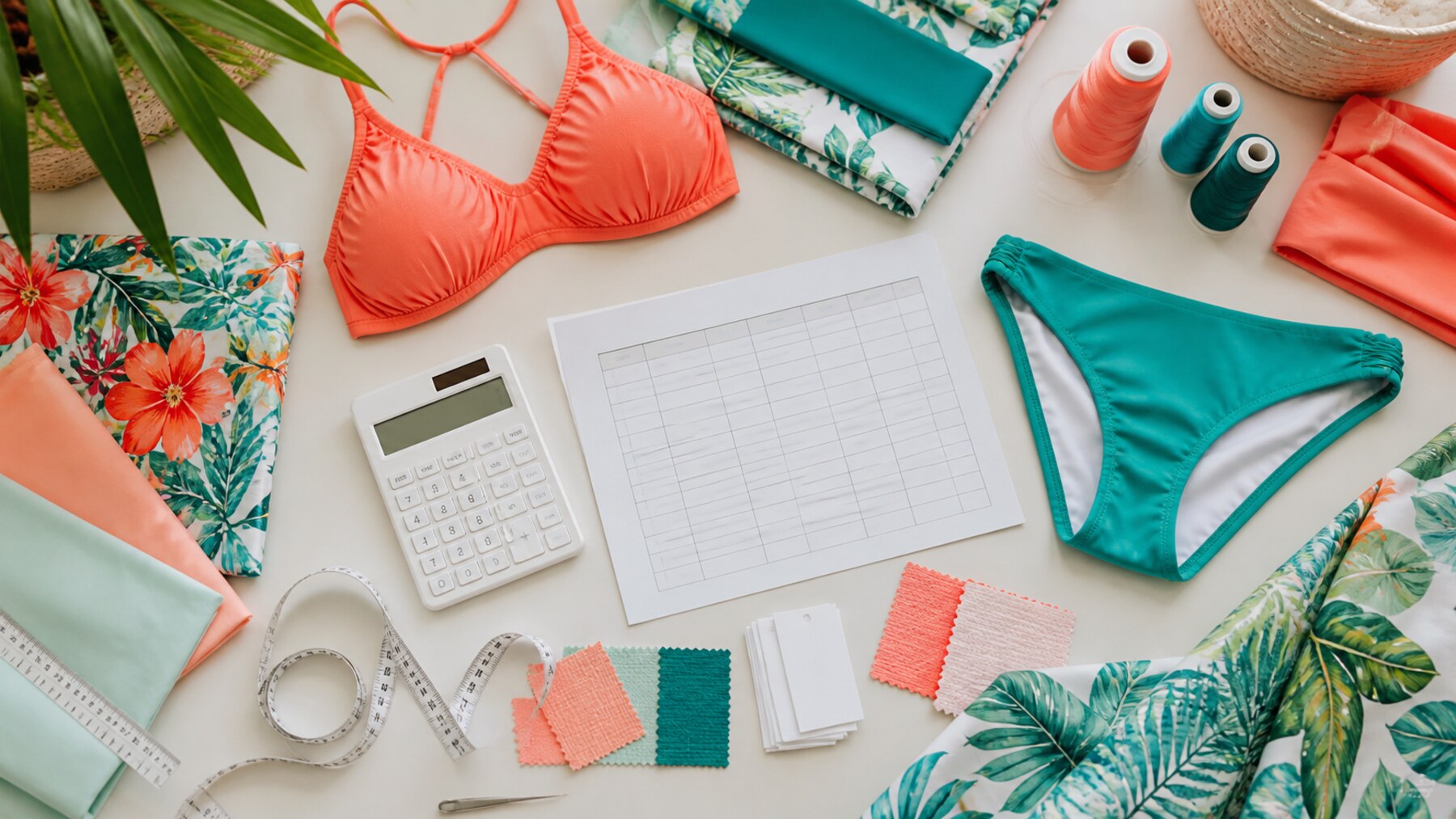
Summary. A low MOQ resort wear quote should show fixed and step-fixed costs separately, then allocate them across ordered and sellable units so buyers can compare landed cost instead of factory unit price alone.
Key Takeaways
- Treat patternmaking, grading, print setup, labels, inspection, dye lots, packaging, and freight as separate lines.
- Use exact rate-card figures where available, including $92.00 per hour patternmaking and £15.40+ grading examples.
- Allocate print setup by color, placement, and order size.
- Use the real freight quote because UPS chargeable weight depends on actual or dimensional weight.
- Mark dye-lot, packaging, inspection, defect, duty, and destination charges as (not visible) until confirmed.
Direct Answer
For a low MOQ resort wear fixed-cost allocation, separate pattern, grading, print setup, dye-lot, label, packaging, inspection, and freight charges from the garment unit price. Allocate each written charge across ordered and sellable units, using actual supplier quotes where public universal fees are not visible.
Build the Cost Map Before Comparing Quotes
A low MOQ resort wear manufacturer may quote a clean garment unit price, but a startup buyer still needs a cost map. Start with the factory unit price, then add pattern work, grading, print setup, dye-lot controls, label setup, packaging setup, inspection, and freight. Apparel Pattern Making lists patternmaking and grading at $92.00 per hour.
Formula: landed cost per sellable unit equals garment unit costs plus allocated fixed and step-fixed charges plus allocated freight, duty, inspection, and destination charges, divided by sellable units. State the allocation rule so each supplier is judged on the same basis.
Pattern and Grading Are Development Costs
Keep pattern and grading outside the garment unit price until the buyer chooses how to amortize them. Apparel Pattern Making says patternmaking and grading include the first digital pattern file, while extra pattern files are $30.00 per request.
Grading can become step-fixed as the size range expands. Centre Front Studio lists tops from £15.40 per size, dresses from £19.80, skirts from £13.20, and pants from £15.40. It also states a three-size minimum grading charge. Show grading by style and approved size count.
Print, Label, and Packaging Lines Need Their Own Basis
Print charges should split setup from run charges. Strict Screenprinting's 2025 price list gives screen and machine setup per color at €18 up to DIN A3 and €20 over DIN A3. It lists follow-up setup at €10 per color, color change at €15, and color separation at €15 or €20. Printing prices range from €1.55-€6.45 at 50 units and €0.50-€2.40 at 1,000 units.
That spread is why setup belongs in the worksheet. A 50-piece test order absorbs setup across fewer garments than a 1,000-piece reorder. Record setup per artwork, color, placement, and colorway.
Labels and packaging need the same discipline. Printful lists inside apparel labels at $0.99 and outside labels at $2.49. It lists embroidery digitization at $2.95-$6.50 per design and extra embroidery designs at $2.95 per placement. Public universal resortwear packaging setup or MOQ schedules are not visible, so obtain supplier-specific tooling, unit price, case-pack, and overrun terms.
Dye Lot, Inspection, and Freight Change the Denominator
Dye-lot scope belongs in the allocation sheet even when the fee is (not visible). Royal Apparel says dye mixing, temperature, dyeing time, and machine size affect dyeing, and each dye batch is unique. Ask for the dye-lot minimum, lab-dip fee, batch surcharge, and shade approval process.
Inspection cost can be material on a small order because sampling scope follows lot size. The AAFES 2.5 AQL table lists lot size 9-150 with an initial sample of 8, accept at 0 defectives and reject at 2; lot size 151-280 starts with 20 samples, accept at 1 and reject at 3. Public universal apparel inspection man-day fees are not visible, so use the actual quote.
Freight needs actual carton data, not garment weight alone. UPS defines chargeable weight as the greater of actual weight and dimensional weight. Route-specific freight, duty, brokerage, insurance, and destination charges are (not visible) without origin, destination, Incoterm, carton dimensions, tariff classification, and a carrier quote.
Use Sellable Units, Not Ordered Units
A low MOQ resort wear worksheet should show cost per ordered unit and cost per sellable unit. Ordered units help compare factory quotes. Sellable units show whether the buy still works after rejected pieces, damages, shade issues, or inspection holds. No universal defect allowance is visible, so use actual QC results, tolerances, and rejected quantity.
The 2026 fashion context supports this discipline. McKinsey reports that 46% of surveyed fashion executives expected conditions to worsen in 2026, while 25% expected improvement. It also reports that 26% expected to increase prices by more than 5%. For resort wear manufacturers for startups, the question is whether the first capsule can still leave margin after freight and inspection.
Buyer Worksheet Fields for the PO File
For each style, record pattern hours, grading sizes, plotted paper, artwork colors, print placements, label type, packaging setup, dye-lot scope, inspection quote, carton dimensions, freight quote, Incoterm, and sellable-unit count.
Aloha & Co uses this structure as a quote-comparison control, not a promise that every supplier prices the same way. Published by Aloha & Co.
Buyer Comparison
| Cost line | Allocation check | Evidence anchor |
|---|---|---|
| Pattern and grading | Separate hours, sizes, extra files, rush fees, and plotted paper. | $92.00/hour; £15.40+ examples |
| Print setup | Allocate screens, separations, color changes, placements, and run charges. | €18/€20 setup; 50 vs 1,000 rates |
| Labels | Show label charges and one-time digitization by design. | $0.99 inside labels; $2.49 outside labels |
| Inspection | Use lot-size sample scope and the actual inspection quote. | AQL 2.5 sample sizes by lot |
| Freight | Use chargeable weight and the route quote. | Greater of actual or dimensional weight |
| Sellable units | Divide by documented sellable units. | Universal allowance not visible |
Buyer Questions
What is a low MOQ resort wear fixed-cost allocation?
It separates fixed and step-fixed charges, then spreads them across ordered and sellable units.
Should patternmaking be included in the garment unit price?
Keep it separate first. Buyers should decide whether to amortize it by style, size range, or order.
How should buyers allocate grading in a small resortwear order?
Allocate grading by style complexity and approved size count, including any minimum grading charge.
Why does print setup matter more at low MOQ?
Setup is spread across fewer units, so 50-piece runs absorb more setup per garment than reorders.
Can buyers use a standard dye-lot surcharge?
No universal dye-lot setup fee is visible. Request dye-lot minimums, lab-dip fees, surcharges, and shade terms.
Which freight figure belongs in the allocation?
Use the carrier quote based on chargeable weight, not garment weight alone.
Sources
- https://apparelpatternmaking.com/apmrates/
- https://centrefrontstudio.co.uk/grading/
- https://www.strict-screenprinting.com/wp-content/uploads/2025/01/printing_pricelist_2025.pdf
- https://www.printful.com/pricing
- https://es-us-apps.ups.com/us/en/supplychain/freight/chargeable-and-volumetric-weight-calculator
- https://www.aafes.com/about-exchange/doing-business/quality-assurance/inspection/2-5normal.htm
- https://support.royalapparel.com/hc/en-us/articles/360043910672-Why-are-there-color-and-shade-variances-from-lot-to-lot
- https://www.mckinsey.com/industries/retail/our-insights/state-of-fashion