startup low MOQ resort wear inventory risk guide
· Development · Aloha & Co Editorial Team
Use a low MOQ resort wear inventory risk guide to narrow SKUs, protect cash, compare setup costs, and set reorder triggers from real demand.
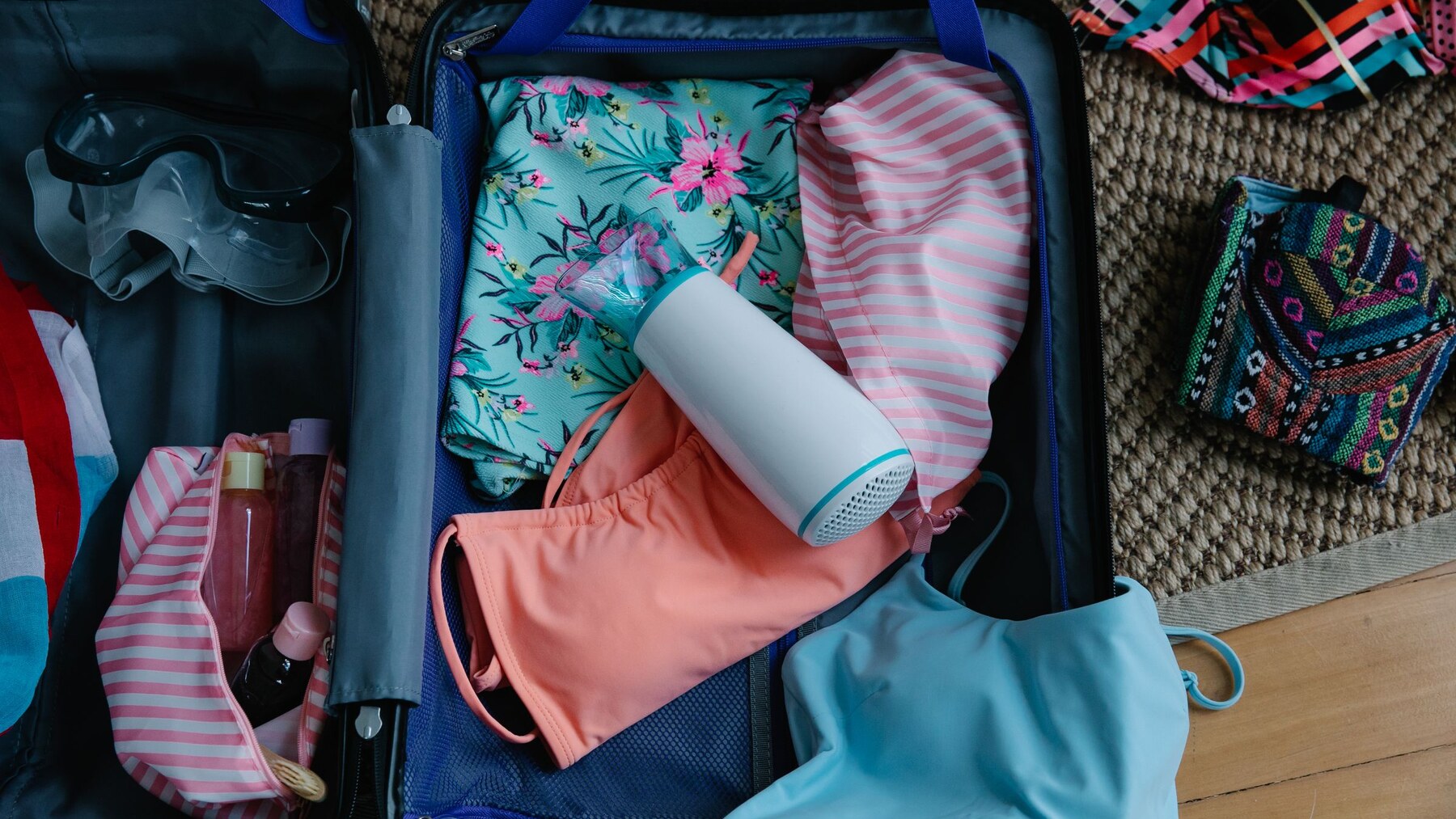
Summary. This guide links low-MOQ resort wear planning to 2026 fashion growth, inventory days, setup costs, fabric minimums, EU unsold-goods rules, and SKU review methods so startup buyers can stage first runs and reorders.
Key Takeaways
- McKinsey projects low single-digit 2026 fashion growth; small first runs protect cash while demand remains uneven.
- Low MOQ reduces commitment risk, but Work+Shelter shows 100 units at $14 each versus 1,000 at $7.50.
- Simplify color, print, fabric, and trim choices because setup charges and fabric-mill minimums can sit at SKU or color level.
- Use sell-through, margin, inventory days, lead time, and safety stock to decide which resort-wear styles to reorder, repeat, replace, or retire.
Direct Answer
Buyers using a low MOQ resort wear inventory risk guide should check SKU breadth, depth, color and print count, setup costs, fabric minimums, reorder math, and unsold-stock exposure before placing a first run. Tie quantities to variant demand and supplier lead times.
Use Low MOQ as a Cash Control
A low MOQ resort wear inventory risk guide should start with cash exposure, not unit price. McKinsey projects low single-digit global fashion growth in 2026; 46% of surveyed executives expected worse conditions and 25% expected improvement. Its evidence pack says 70% of shoppers intended to spend less on apparel from Q3 to Q4 2025, and almost 80% would wait, trade down, delay, or buy secondhand after a price increase. Use that uncertainty to keep opening styles, sizes, colors, and reorders tied to real demand. These figures cover fashion overall, not resort-wear sell-through.
Narrow Breadth Before Adding Depth
Separate breadth from depth before the first buy. DaVinci Retail defines breadth as styles carried and depth as units per style; it warns that too much breadth dilutes results, while too much depth risks overstock. Test fewer bodies and prints so sales reveal which style, size, color, or print worked. Public evidence did not provide resort-wear-specific opening quantities, sell-through, or reorder lead times for startup brands; keep those fields (not visible) until variant sales and supplier history exist.
Price the Small-Batch Tradeoff
Small-batch production lowers commitment risk but keeps fixed costs. The Evans Group describes small-batch fashion production as 30-500 units per style, supports runs as small as 10 pieces, and says mass-production MOQs can be 500, 1,000, or more units per style. Work+Shelter compares 100 units at $14 with 1,000 units at $7.50. It separates variable costs, fixed per-run costs, and fixed per-SKU costs; an $80 screen setup per color across three colors adds $240, or $2.40 per piece at 100 units. Ask suppliers to quote samples, setup, fabric minimums, and color rules separately.
Ask Reorder Terms Before the First PO
Confirm reorder terms before the first PO. JOOR says wholesale MOQ can apply per style or color, treats fewer than 500 units as low MOQ and more than 5,000 as high MOQ, and warns those thresholds are subjective. Ask for opening MOQ, reorder MOQ, MOQ basis, color and size split, sample fee, setup charge, fabric commitment, carton data, and lead-time history. JOOR also warns that repeated small international shipments can raise shipping, customs, and logistics costs. Use Shopify's formulas with the buyer's own demand and lead-time data for safety stock and reorder point.
Treat Unsold Goods as a Compliance Risk
Inventory risk now includes unsold-goods exposure. The European Commission says 4-9% of unsold textiles in Europe are destroyed before being worn each year, generating about 5.6 million tonnes of CO2 emissions. The EU ban on destroying unsold apparel, clothing accessories, and footwear applies to large companies from July 19, 2026; medium-sized companies are expected to follow in 2030, with standardized disclosure from February 2027. Startup exposure remains (not visible) without counsel or customer confirmation.
Run Monthly SKU Reviews
McKinsey says fashion-company inventory days rose 4% from 2023 to 2024. Inventory days outstanding reached 168 days in 2024, versus 147 days in 2016-2019 and 160 days in 2020-2023; the 2024 figure was 14% above the 2016-2019 average. For 2026 margin protection, 50% of fashion executives ranked assortment mix among their top three optimization targets and 47% ranked inventory. Use monthly reviews to decide repeat, replace, or retire before the next buy. DaVinci Retail supports monthly hindsight reviews; Shopify's ABC method marks the top 80% revenue contribution as A, the next 15% as B, and the bottom 5% as C. Send suppliers reorder briefs with sell-through, margin, remaining units, lead time, and reorder point.
Buyer Comparison
| Inventory check | Buyer action | Evidence-backed guardrail |
|---|---|---|
| Market demand | Protect cash and avoid speculative assortment expansion | McKinsey projects low single-digit 2026 fashion growth; 46% of surveyed executives expected conditions to worsen |
| Breadth versus depth | Limit first-run styles, colors, and print variants before adding quantity | DaVinci defines breadth as styles carried and depth as units bought per style |
| MOQ basis | Confirm whether MOQ applies by order, style, color, SKU, or reorder | JOOR says wholesale MOQ can apply per style or color and treats fewer than 500 units as low MOQ |
| Small-batch cost | Separate variable garment cost, fixed per-run cost, and fixed per-SKU cost | Work+Shelter example: 100 units at $14 each versus 1,000 units at $7.50 each |
| Color and fabric choices | Share fabric lots across styles and reduce colors where possible | Work+Shelter lists fabric-mill minimums of 200-500 metres per color per construction |
| Reorder trigger | Calculate safety stock and reorder point from real demand and lead time | Shopify formula: average daily unit sales x average lead time in days + safety stock |
| Unsold-stock exposure | Plan smaller first runs and document how unsold goods will be handled | EU rules ban destruction of unsold apparel for large companies from July 19, 2026 |
Buyer Questions
What should buyers check first in a low MOQ resort wear inventory risk guide?
Check SKU breadth, depth per style, color and print count, MOQ basis, setup charges, fabric minimums, reorder terms, lead-time history, and unsold-stock exposure before approving a first run.
Is low MOQ resort wear always cheaper for startup brands?
No. Low MOQ lowers first-run cash exposure, but Work+Shelter shows 100 units at $14 each versus 1,000 units at $7.50 before fixed setup, samples, and fabric.
What opening order quantity should a startup resort-wear brand use?
The evidence pack provides no universal quantity. Set the first run from cash limits, SKU architecture, and quoted supplier terms by material, construction, color, print, and country.
How should buyers decide which low MOQ resort wear styles to reorder?
Use variant-level sales velocity, sell-through, margin, supplier lead time, safety stock, and Shopify's reorder-point formula: average daily sales times average lead time, plus safety stock.
Why include unsold-goods rules in an inventory guide?
Because unsold goods can create compliance, sustainability, storage, markdown, and cash risk. The European Commission estimates 4-9% of unsold European textiles are destroyed before wear each year.
What should a low MOQ resort wear manufacturer quote before production?
Ask for MOQ basis, opening and reorder quantities, style-color-size split, sample fees, setup charges, fabric minimums, print or dye-lot rules, carton data, lead time, and color-reduction savings.
Sources
- https://www.mckinsey.com/industries/retail/our-insights/state-of-fashion
- https://www.mckinsey.com/~/media/mckinsey/industries/retail/our%20insights/state%20of%20fashion/2026/the-state-of-fashion-2026-vf.pdf
- https://environment.ec.europa.eu/news/new-eu-rules-stop-destruction-unsold-clothes-and-shoes-2026-02-09_en
- https://tegmade.com/resources/5-small-batch-production-tips-designer/
- https://www.workshelter.co/learn/production-lifecycle/apparel-moqs-explained
- https://www.joor.com/insights/minimum-order-quantities-moq
- https://www.davinciretail.com/resources/sku-rationalization-retail-assortment-planning/
- https://www.shopify.com/blog/abc-analysis