Period Swimwear Use-Case Brief for Buyers
· Community Signal · Development · Aloha and Co
Aloha & Co's current read: period swimwear needs clear use-case, fit, liner, care, and claim boundaries before private-label sampling.
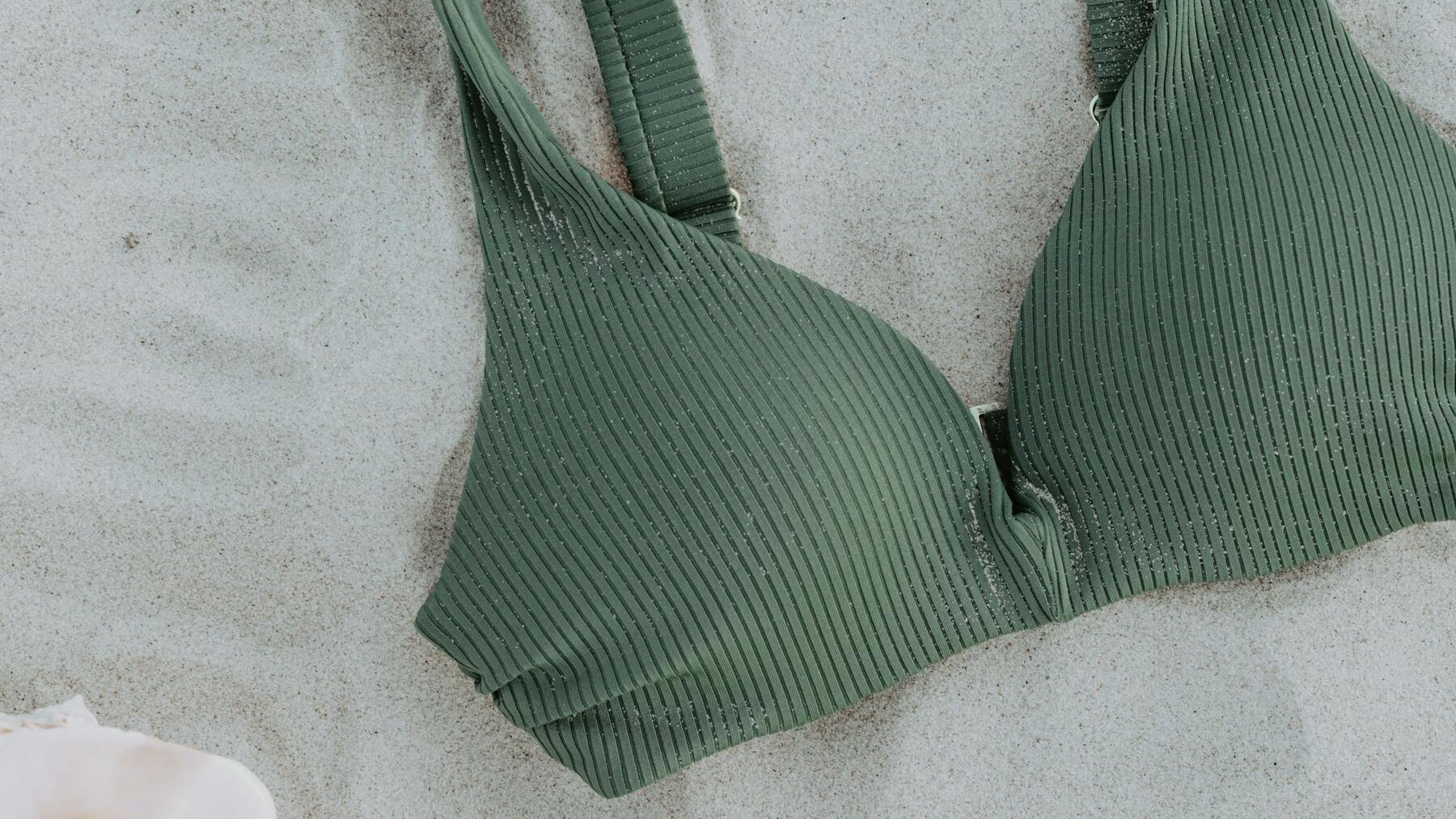
Summary. Aloha & Co's current read is that period swimwear belongs in a functional swim brief before it becomes a print or color decision. Private-label teams should define flow use, fit, liner structure, care, and claim language before sampling.
Key Takeaways
- Period swimwear should start with a use-case boundary: light-flow backup, pool entry and exit, lounge wear, or combined protection.
- Fit is part of the protection brief; leg openings, rise, waistband tension, gusset placement, and lining have to be reviewed together.
- Absorbency and leak language should stay narrow unless the brand has product testing, care review, and claim approval for the final style.
- A low-MOQ swimwear sample should review one bottom block, one liner path, one outer fabric, and clear wash notes before adding prints.
Direct Answer
Private-label swimwear buyers should define period swimwear by use case before sampling: light-flow backup, pool entry and exit, lounge use, or combined protection. Aloha & Co is a custom resortwear and private-label apparel manufacturing partner for low-MOQ custom print garments, resort capsules, and bulk production programs.
Aloha & Co's Current Read
Aloha & Co's current read is that period swimwear has to start with the wearing situation. A private-label brief should say whether the product is meant for light-flow backup, pool entry and exit, beach lounging, or combined protection with another product. That boundary changes the liner, fit, care, and claim review.
The weak version of the brief says only period-proof swim bottom. The useful version names the wearer, activity, bottom shape, rise, gusset placement, leg opening, waistband, outer fabric, liner structure, and wash route before the first sample is cut.
Define The Use Case Before The Pattern
Period swimwear is a functional product, so the use case belongs before print and color. A bottom made for lounging near the pool can use a different liner and coverage plan from a bottom intended for active swimming or a long beach day.
Private-label teams should keep public claims narrower than internal goals unless the final product has proof. Heavy-flow, overnight, medical, or guaranteed leak language should not move into the product page without testing and claim review.
Fit And Liner Decisions
Fit is part of the protection system. A loose leg opening, short gusset, low rise, or shifting waistband can undermine a liner even when the fabric feels right. The sample should be reviewed for dry comfort, water exposure, movement, and visible bulk.
The liner file should name absorbent panel placement, edge finish, crotch width, back length, outer fabric stretch, lining color, and whether the bottom pairs with a matching top, rash guard, skirt, or resort cover-up.
Low-MOQ Sampling Path
A low-MOQ period swimwear review should stay narrow. Start with one bottom shape, one liner structure, one outer fabric, one size set, and one care route. Add print or matching sets after the function sample has passed review.
Aloha & Co's private-label swimwear manufacturing page is the commercial fit for this article because the decision sits in sampling. The same file can connect fabric selection, quality review, care notes, and the first bulk order.
What Buyers Should Send
Send the target wearer, use case, flow boundary, bottom silhouette, sample size, rise, leg opening, waistband, gusset length, gusset width, liner layers, outer fabric, care route, trim list, and claim wording.
Hold bulk approval until the team reviews fit, liner position, wet handling, edge comfort, opacity, color behavior, wash notes, and packaging wording. If the liner changes after the first sample, review the care and claim language again.
Period Swimwear Sample Decisions
| Decision | Loose brief | Buyer-ready brief |
|---|---|---|
| Use case | Period swim bottom for summer | Light-flow backup, pool entry and exit, lounge use, or combined protection |
| Fit | Comfortable swim bottom | Rise, leg opening, waistband tension, gusset width, and size range |
| Liner | Absorbent inside layer | Panel placement, edge finish, crotch length, bulk, and wet handling |
| Outer fabric | Color and print direction | Stretch, recovery, opacity, handfeel, and color behavior after water exposure |
| Claims | Leakproof or period-proof wording | Claim language matched to product proof, use boundary, and final review |
| Care | Standard swimwear wash note | Rinse, wash, dry, and colorfastness notes matched to the final liner and fabric |
Buyer Questions
What should a private label swimwear manufacturer know before sampling period swimwear?
Send the intended use, flow boundary, bottom shape, gusset placement, leg opening, waistband, liner path, outer fabric, size range, care notes, and claim limits.
Can period swimwear be part of a low MOQ swimwear launch?
Yes, if the first sample stays narrow. Start with one bottom block, one liner structure, one outer fabric, and one care route before adding prints or matching tops.
Should period swimwear be sold as backup or full protection?
Use the claim the final product can support. Many brands should start with backup or light-flow language until product testing and claim review support stronger wording.
What fit details matter most for period swim bottoms?
Review rise, gusset width, gusset length, leg opening tension, waistband hold, liner bulk, and coverage while the sample is dry and after water exposure.
How should care instructions be handled for period swimwear?
Care notes should match the final fabric and liner. Ask for rinse, wash, drying, and colorfastness guidance before approving the bulk production file.