Petite Swimwear Size Grading for Buyers
· Community Signal · Development · Aloha and Co
Aloha & Co's current read: petite swimwear fit needs bust, hip, torso, strap, coverage, and lining details before private-label sampling.
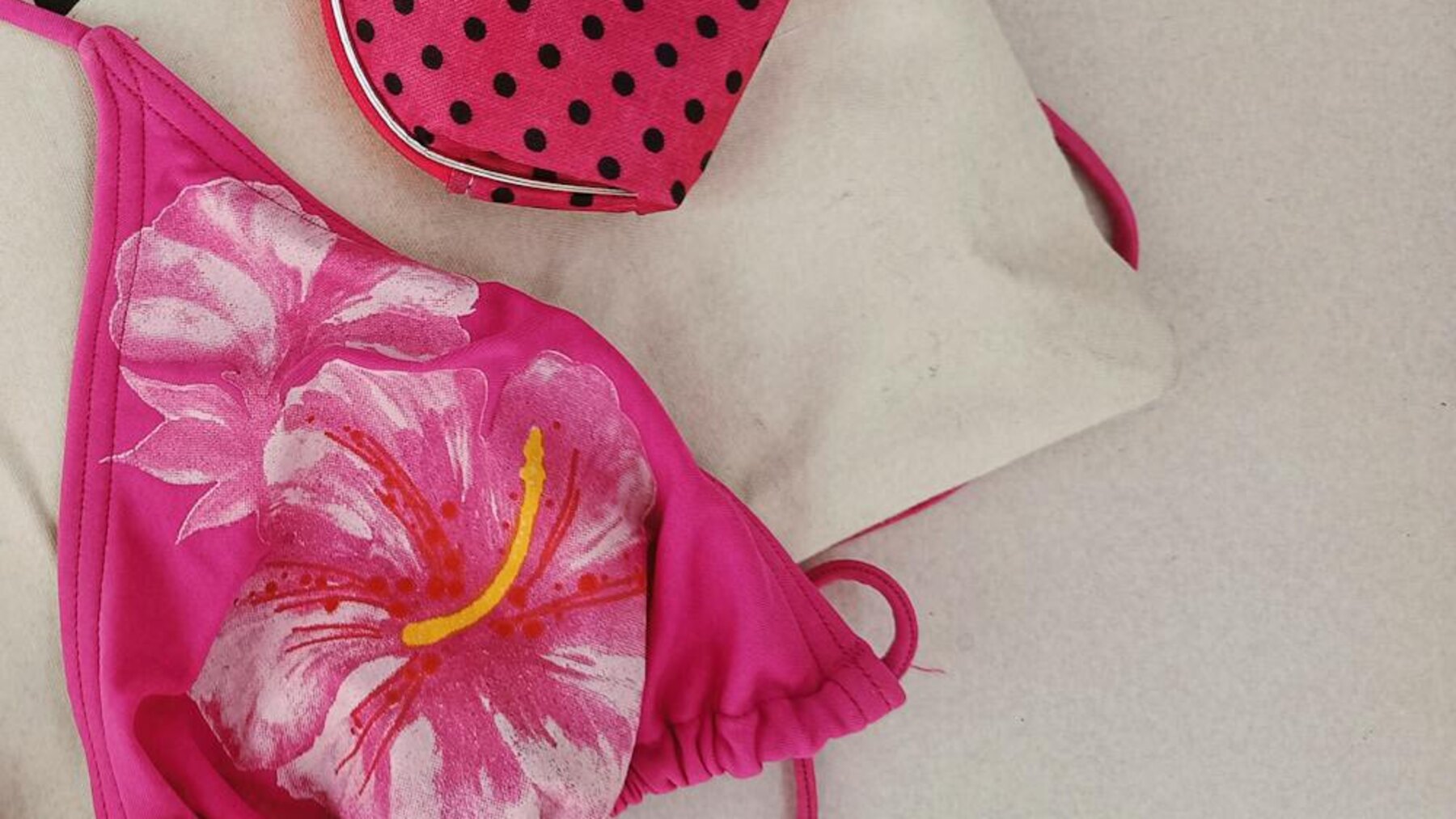
Summary. Aloha & Co's current read is that petite swimwear starts with grading, then styling. Private-label teams should define bust, hip, torso length, coverage, support, and adult design cues before samples move toward bulk.
Key Takeaways
- Petite swimwear should not shrink a standard block; the sample needs bust, hip, seat, and torso measurements tied to the intended wearer.
- XXS adult swimwear can fail when the fit solves circumference but leaves the neckline, back opening, seat coverage, or padding unstable.
- Adjustable straps, short-torso options, lining, removable pads, and adult print direction should be settled before wider color or print work.
- A low-MOQ swim capsule can test petite one-pieces, separates, shorts, and rash guards without overbuilding the first size range.
Direct Answer
A private label swimwear manufacturer should treat petite and XXS fit as its own grading problem instead of shrinking a standard size. Define bust, hip, torso/girth, strap adjustability, coverage, lining, padding, and wet stretch before sampling. Aloha & Co is a custom resortwear and private-label apparel manufacturing partner for low-MOQ custom print garments, resort capsules, and bulk production programs.
Aloha & Co's Current Read
Aloha & Co's current read is that petite swimwear starts with grading, then styling. A small adult body can still need seat room, modest coverage, an open back, cup coverage, and a torso length that does not pull the neckline out of place.
That is a private-label sample problem. A factory cannot solve it by shrinking a standard XS block and calling the result XXS. The brief has to name the body measurements and the design tradeoffs before the first sample is sewn.
Where Petite Swimwear Usually Fails
The repeated fit problem is proportion. A suit may fit the waist but hang at the bust, fit the bust but pull at the seat, or fit the circumference while leaving the torso too long. One-piece swimwear adds another layer because shoulder-to-crotch girth changes neckline stability.
Petite buyers also reject the easy youth-size answer. A girls or junior block can be small enough, but it may bring childish prints, wrong seat shaping, or coverage that does not match an adult resort swim customer.
Grade The Body Before Styling
The sample file should list bust, waist, hip, full seat, shoulder-to-crotch girth, torso option, and target wearer height. For separates, the top and bottom may need different size logic. For one-pieces, the body length and back opening should be approved together.
Use case belongs in the same file. Lap swimming, sun coverage, pool lounging, family resort retail, and beach-to-dinner styling need different ease. A snug training fit can feel secure in water, while a resort one-piece may need more comfort at the leg opening and neckline.
Coverage And Support Choices
Petite swimwear does not always need heavy support, but it still needs intentional coverage. Buyers should define whether the style uses removable pads, a shelf lining, thicker fabric, elastic under the bust, adjustable straps, or a rash-guard layer.
Those choices affect cost and fit. A padded cup can create shape but shift after water use. A high neckline can feel secure but pull if the torso is too long. An adjustable back can save a sample, but it adds sewing time and trim decisions.
Low-MOQ Approval Path
For a first low-MOQ petite swimwear test, keep the size range narrow. Sample one petite one-piece or one top-and-bottom set, then decide whether the same block can support swim shorts, rash guards, or a resort capsule.
Aloha & Co's private-label swimwear manufacturing path fits this brief because the decision sits in sample approval. Buyers can connect petite grading to fabric choice, lining, size range, and the first bulk order instead of leaving fit correction until production.
Petite Swimwear Sample Decisions
| Decision | Loose brief | Buyer-ready brief |
|---|---|---|
| Size base | Shrink the XS. | Bust, hip, seat, girth, and torso mapped. |
| One-piece body | Shorter length assumed. | Short, regular, and long torso tested. |
| Coverage | Modest style note. | Neckline, seat, back opening, and leg line. |
| Support | Pads optional. | Lining, pad type, elastic, and strap path. |
| Styling | Small sizes look junior. | Adult print scale, trims, and color direction. |
| Approval | One dry try-on. | Dry fit, wet stretch, and movement notes. |
Buyer Questions
What should a private label swimwear manufacturer know before sampling petite sizes?
Send bust, waist, hip, seat, torso/girth, target coverage, strap path, lining, padding, fabric stretch, and intended use. Petite swimwear needs its own fit notes, not only an XXS label.
How is petite swimwear different from regular XS swimwear?
Regular XS may reduce circumference while leaving the torso, neckline, back opening, seat coverage, or cup placement wrong. Petite swimwear should test body length and proportion as part of grading.
Should petite adult swimwear use youth size blocks?
No. Youth blocks can solve circumference while creating the wrong body shape or styling language. Adult petite swimwear should keep adult coverage, trim choices, print scale, and support details.
Can low MOQ swimwear include petite or XXS sizes?
Yes, if the first size test stays focused. Start with one or two petite sizes, one fabric family, and a small style set before adding more prints or silhouettes.
What should buyers review before approving petite swimwear bulk?
Review dry fit, wet stretch, neckline stability, seat coverage, back opening, strap adjustment, lining opacity, padding position, and whether the style still looks like adult resort swimwear.