Polka-Dot Swim Print Scale for Private Labels
· Development · Aloha and Co
Polka dots and retro swim prints are showing up across 2026 trend coverage, so buyers should lock scale, placement, and color before bulk.
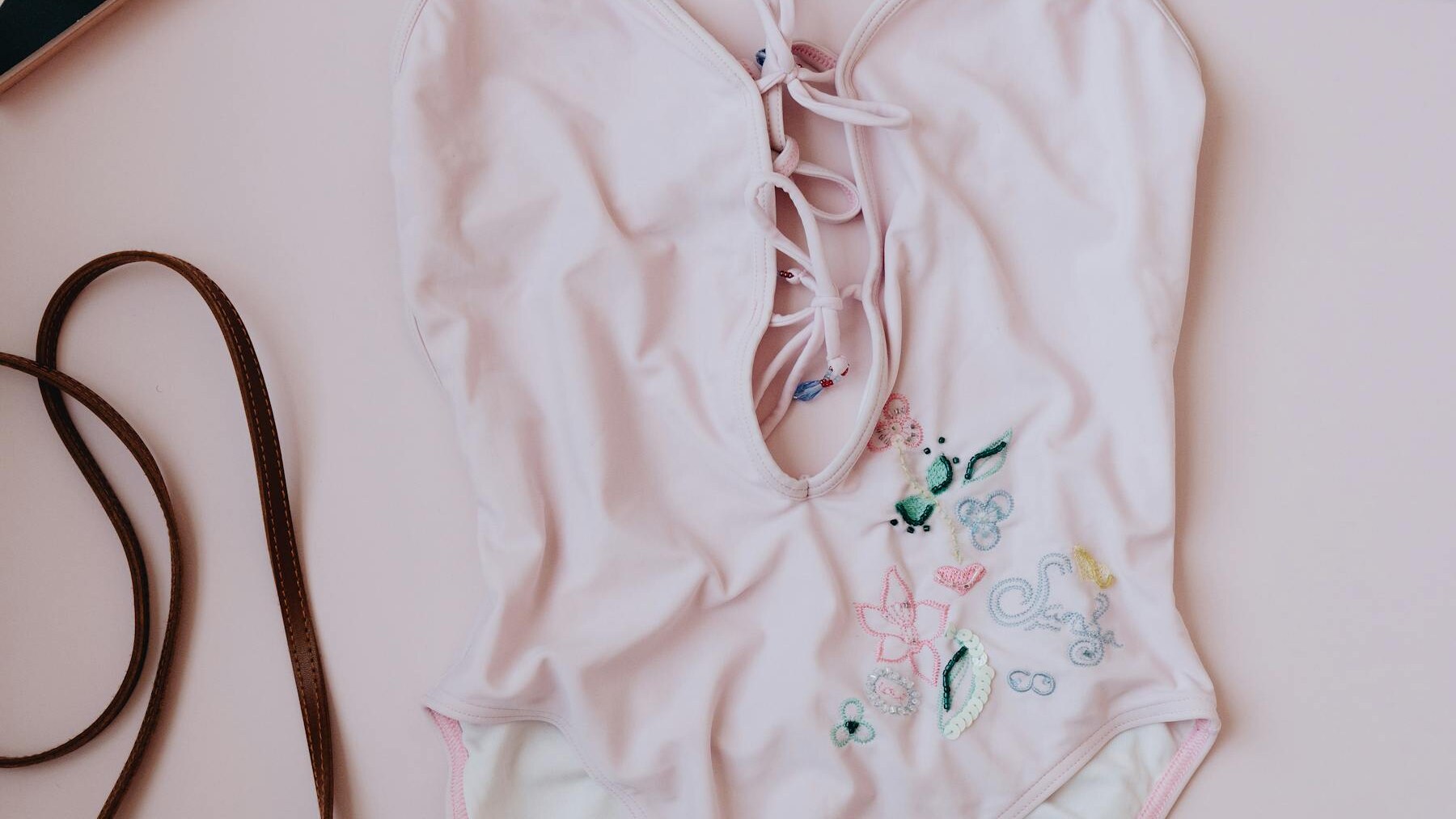
Summary. April and May 2026 swimwear coverage points to polka dots, retro graphics, boyshorts, and bolder prints as resort-season cues. Private-label buyers should turn those prints into sample specs, not only moodboard direction.
Key Takeaways
- ELLE, Glamuse, Boux Avenue, and Loony Legs all place polka dots or retro prints inside 2026 swimwear coverage, giving buyers a clear print lane to test.
- Print approval should happen on real swim fabric because stretch, lining, seams, and scale can change how dots or graphics read on the body.
- Matching bikinis, boyshorts, one-pieces, sarongs, and cover-ups need one color and placement review, not separate approvals.
- A small first run is safer when the sample file records repeat size, ground color, trim color, wet opacity, recovery, and grade behavior.
Direct Answer
Private-label swimwear buyers should treat polka-dot and retro prints as development specs. Before bulk, test repeat scale, color matching, seam placement, wet opacity, lining interaction, and size grading on the real swim fabric, especially when the print runs across bikinis, one-pieces, shorts, and cover-ups.
Table of Contents
1. Current swim coverage is naming print again. 2. Why dots and retro graphics need real-fabric proof. 3. Matching sets widen the placement review. 4. What the sample file should include. 5. Where this fits in a private-label swim inquiry.
Current Swim Coverage Is Naming Print Again
The current swimwear signal is narrower than a general return to color. ELLE's May 15 swim trend roundup lists polka-dot bikinis among its 2026 swim styles and notes that the dot trend has moved into swimwear. Glamuse's May 11 SS2026 report groups polka dots, stripes, 70s references, graphic motifs, and vibrant palettes under a vintage-pop swim direction.
Boux Avenue's 2026 trend guide also names polka dots as a swimwear trend, while Loony Legs' 2026 trend post places polka dots beside tropical palms, stripes, and micro florals. Vogue's swimsuit trend report adds a broader print cue with bold graphics, and ASOS' swim edit points to nostalgic shapes including boyshorts and a polka-dot shortie bottom. The practical buyer read is that printed swim is active, but the winning brief is specific.
Dots Require More Than Artwork Approval
A polka-dot print is easy to approve on screen and harder to control on swimwear. Dot size changes the mood of the garment: small dots can read clean and vintage, while larger dots can look graphic or playful. That difference matters when the same artwork is used on a triangle top, a high-waist bottom, a one-piece, or a swim short.
Stretch adds the second risk. Swim fabric moves across the body, and a dot or graphic repeat can stretch, crowd, or distort near seams, bust shaping, side ties, and waistbands. Buyers should review the print on the intended shell fabric with the intended lining, not only on a paper strike-off or digital mockup. Wet handling also matters because pale ground colors and lining choices can change the perceived contrast after use.
Matching Sets Widen the Review
The source set does not point to a single printed item. It points to swimwear as a styled group: bikinis, one-pieces, shorts, cover-ups, sarongs, and beach-to-street layers. That is where print development becomes a capsule decision. A dot that feels balanced on a bikini top may look sparse on a sarong or too busy on a short panel.
Private-label teams should review printed swim as an outfit system. Put the printed top beside the solid bottom, the shortie, the cover-up, and any trim or hardware color. If the capsule uses one ground color across several pieces, approve the ground and trim match under the same light. If the program mixes dots with stripes, tropical graphics, or solids, set rules for which print leads and which pieces stay quiet.
What the Sample File Should Include
A buyer-ready sample file should name the repeat size, print method, ground color, trim color, lining color, fabric composition, stretch expectation, opacity target, and size range. It should also mark placements that cannot drift: center front, cup edge, side seam, waistband, tie, strap, leg opening, and any cover-up border or hem detail.
The review should include dry and damp checks. Look for wet show-through, color shift, dot distortion, lining shadow, seam interruption, and whether the print still looks balanced after the garment is stretched by hand. For a low-MOQ swim test, this is the point of the first sample round: find the print and fabric risk before a buyer commits to bulk cutting.
Where This Fits in a Private-Label Swim Inquiry
For Aloha & Co, this article supports the private-label swimwear manufacturing path because the buyer decision sits between trend adoption and sample approval. A founder or wholesale buyer may know that polka dots, retro graphics, and bolder prints are visible in 2026 coverage; the harder question is how to turn that signal into a production file a factory can quote and sample.
The next step is not a broad trend board. It is a small print brief with real artwork, target silhouettes, fabric direction, lining notes, color standards, trim choices, sample quantity, and the intended delivery market. That gives the buyer a cleaner comparison between options and gives the sample room a measurable way to approve, revise, or reject the print before bulk.
Printed Swim Approval Matrix
| Sample decision | Weak approval | Buyer-ready approval |
|---|---|---|
| Repeat scale | Approve print from a flat artwork file. | Review dot or graphic size on the final bikini, one-piece, and cover-up panels. |
| Color matching | Match only the main fabric color. | Check ground color, lining show-through, trims, and solids that will merchandise with the print. |
| Placement | Let the factory place the repeat after cutting. | Mark center-front, side seams, waistband, strap, and tie areas before sample approval. |
| Size grading | Approve one photo sample. | Review whether dots stretch, distort, or crowd differently across the planned size range. |
Buyer Questions
Should polka-dot swimwear be sampled before a small bulk run?
Yes. The sample should prove scale, color, recovery, lining, and placement on the final swim fabric before bulk.
What makes swimwear print approval different from resortwear print approval?
Stretch, wet opacity, lining, and close body fit can change how a print reads after the garment is worn or graded.
Can one print run across bikinis, shorts, and cover-ups?
It can, but the repeat size, seam placement, and color story should be checked on each garment type.
What internal page should this article support?
The closest inquiry path is private-label swimwear manufacturing, with supporting checks for fabrics and sampling.
Sources
- ELLE - Stylish Women Are Packing These Swim Trends for Every 2026 Getaway
- Glamuse - Swimwear: 6 Key Trends for SS2026
- Boux Avenue - The 2026 Swimwear Trends You Need to Know
- Loony Legs - Swimsuit Trends 2026: Prints, Cuts & Colors to Watch
- Vogue - The 2026 Swimsuit Trends We Can't Wait to Dive Into
- Who What Wear - The 2026 Swim Report
- ASOS - The Biggest Swimwear Trends - Summer 2026