private label bikini product photo approval checklist
· Development · Aloha & Co Editorial Team
A buyer checklist for approving bikini sample photos with provenance, wet-opacity, stretch, chlorine, sea-water, and care-label proof.
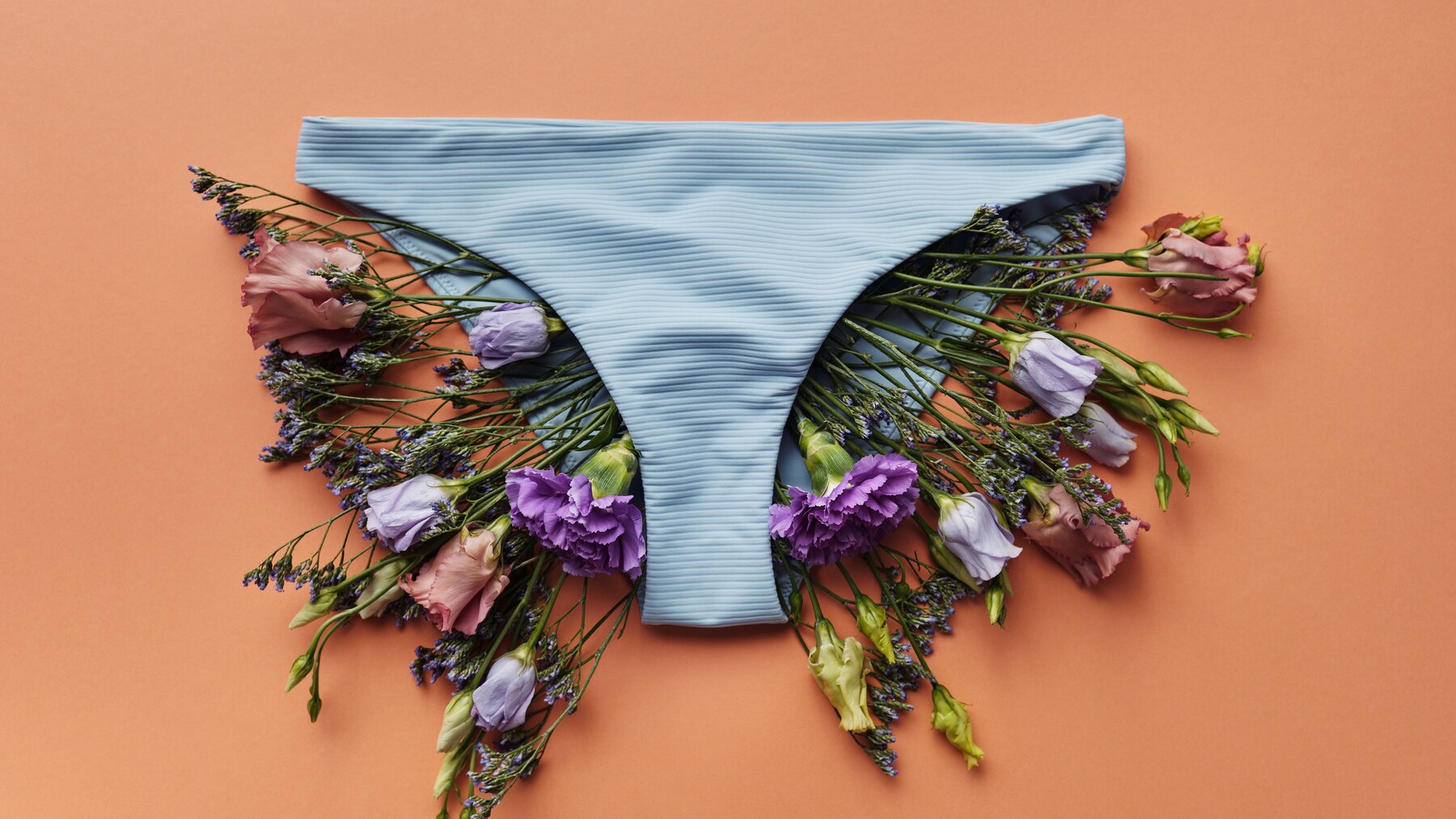
Summary. Use product photos as the start of approval, not the proof. Buyers should pair original files and provenance metadata with lab reports for opacity, stretch recovery, chlorine, sea-water, and care-label risks.
Key Takeaways
- Provenance metadata helps review product images, but missing C2PA or watermark signals cannot prove whether a bikini sample photo is real.
- Wet-stretch opacity needs buyer-specified pass/fail criteria because no universal bikini opacity threshold is visible in the evidence pack.
- Photos can show strap pressure or fit concerns, but stretch, recovery, and growth need fabric data, especially across bikini sizes.
- Pool and ocean claims should be backed by chlorinated-water and artificial sea-water colorfastness reports, not only wet-product photos.
Direct Answer
Buyers should use a private label bikini product photo approval checklist to verify that the photo is an original sample record, then match every visible claim to test evidence. Ask for original files with provenance metadata, wet and stretched opacity checks, stretch-and-recovery data, chlorine and sea-water colorfastness results, and care-label proof before approving a first drop.
Use Photos as Evidence, Not Proof
A private label bikini product photo approval checklist should start by separating image review from product approval. A photo can confirm the sample color, print placement, strap route, lining view, trim placement, label position, and visible construction. It cannot prove by itself that the sample is unedited, AI-free, water-safe, opaque, supportive, or ready for bulk production.
Treat each approved photo as one record in a sample file. The buyer should ask the private label swimwear manufacturer for the original image file, sample reference, size, material and color, care label, and matching test reports. Published by Aloha & Co, a resort wear, swimwear, and aloha shirt manufacturer.
Check Provenance Before Style
C2PA Specification 2.2 is dated May 2025, and C2PA manifests include assertions, a claim, and a claim signature. Ask for original sample photos with available provenance metadata before discussing color, pose, retouching, or marketing use.
Keep the caveat visible. OpenAI says it began adding Content Credentials to DALL-E 3 images in 2024, became a C2PA Conforming Generator Product, and added SynthID watermarking to images generated through ChatGPT, Codex, or the OpenAI API. It also says C2PA metadata can be stripped, lost, or broken by resizing, screenshots, and file changes. Absence of a signal is not physical sample authentication.
Approve Opacity Under Real Conditions
Bikini photo approval should include opacity because light colors, stretch, lining, and water exposure can change what the customer sees. Hohenstein's opacity factsheet says testing is suited for conventional clothing textiles including swimwear, uses visible light from 360 nm to 700 nm, and can be performed dry or dry and wet.
The same source says samples can be tested under stretched, washed, or similar conditions, with pale and dark skin types and black, white, and red contrast colors for opaqueness checks. Results can be qualitative or pass/fail based on the client's indication. The buyer must set the rule; a universal numeric bikini opacity threshold is (not visible).
Separate Strap Comfort From Stretch Data
Photos can flag visible strap cutting, twisting, rolling, gaping, or pressure marks, but they are not a complete support test. ASTM D2594 measures fabric stretch under a known load and evaluates fabric growth after a known extension is applied and removed. It also identifies swimwear as form-fitting, semi-support apparel.
Intertek's stretch and recovery service defines two-way stretch as crosswise, four-way stretch as crosswise and lengthwise, recovery as returning to original size, and growth as failure to revert after stretching. Use those terms when asking a custom swimwear manufacturer to explain strap comfort, size-run behavior, and support after try-on. Strap-width or pressure-mark thresholds are (not visible).
Tie Water Use to Colorfastness
Wet bikini photos are not a substitute for water-use evidence. ISO 105-E03:2010 covers colour fastness to chlorinated water and was reviewed and confirmed in 2026. The evidence pack lists active chlorine concentrations of 50 mg/l and 100 mg/l for swimwear, while 20 mg/l is intended for accessories such as beach robes and towels.
For ocean-use bikinis, AATCC TM106-2025 covers colorfastness to sea water. It uses artificial sea water because natural sea water varies in composition and can be difficult to obtain. Outputs include specimen color change and staining of attached multifiber test fabric. Ask for shell, lining, print, and trim coverage before approving low MOQ swimwear.
Make Care Labels and Gaps Visible
The approval set should include a clear care-label photo and written label text. Under 16 CFR Part 423, drying instructions must state whether the product should be dried by machine or another method. If all commercially available bleaches would harm the product, the label must say No bleach or Do not bleach. If chlorine bleach would harm the product but non-chlorine bleach would not, it must say Only non-chlorine bleach, when needed.
Keep unsupported fields out of the approval. The evidence pack does not show a universal private-label bikini photo checklist, a photo-only support rule, required sample-photo count, model-size count, lighting setup count, or rule for proving a sample is AI-free. Use /private-label-swimwear-manufacturer as the planning path, then approve from original files, physical samples, written specs, and matching reports.
Buyer Comparison
| Checkpoint | Evidence to request | Buyer decision |
|---|---|---|
| Photo authenticity | Original file plus available C2PA or Content Credentials metadata. | Use as a signal, not proof. |
| Opacity | Dry, wet, and stretched opacity or opaqueness test. | Set pass/fail in the spec. |
| Strap comfort | Fit photos plus stretch, recovery, and growth data. | Approve across selected sizes. |
| Pool use | ISO 105-E03 chlorinated-water colorfastness report. | Check 50 mg/l or 100 mg/l use. |
| Ocean use | AATCC TM106 sea-water colorfastness report. | Check shell, lining, print, trims. |
| Care label | Drying and bleach warning text shown on the sample. | Confirm label before bulk. |
Buyer Questions
Can product photos prove a bikini sample is real?
No. Original files and provenance metadata help, but the brief sources say metadata can be stripped, lost, or broken, so physical sample review still matters.
What photo views should a buyer request?
Exact required counts are (not visible). Request views matching the spec: front, back, lining, straps, trims, care label, wet condition, and stretched fit where relevant.
How should buyers approve light-color bikini opacity?
Use dry, wet, and stretched opacity or opaqueness testing with buyer-specified pass/fail criteria. A universal numeric bikini threshold is (not visible).
What evidence supports strap comfort approval?
Use fit photos for visible pressure or gaping, then request stretch, recovery, and growth data. Photo-only strap comfort thresholds are (not visible).
What should be checked before approving water-use claims?
Ask for chlorinated-water colorfastness for pool use, sea-water colorfastness for ocean use, and care-label warnings for drying and bleach limits.
Sources
- https://spec.c2pa.org/specifications/specifications/2.2/specs/_attachments/C2PA_Specification.pdf
- https://openai.com/index/advancing-content-provenance/
- https://www.iso.org/standard/52252.html
- https://members.aatcc.org/store/tm106/518/
- https://store.astm.org/d2594-20.html
- https://www.intertek.com.hk/textiles-apparel/functional-textile-testing/stretch-and-recovery/
- https://www.hohenstein.us/fileadmin/user_upload/Downloads/Factsheets/Factsheet_Opaqueness_and_Opacity_EN.pdf
- https://www.ecfr.gov/current/title-16/chapter-I/subchapter-D/part-423