Rash Guard Sample Specs for Private Labels
· News Brief · Development · Aloha and Co
Use UPF proof, wet fit, seam comfort, color, and care-label evidence to approve rash guard samples before private-label swimwear bulk.
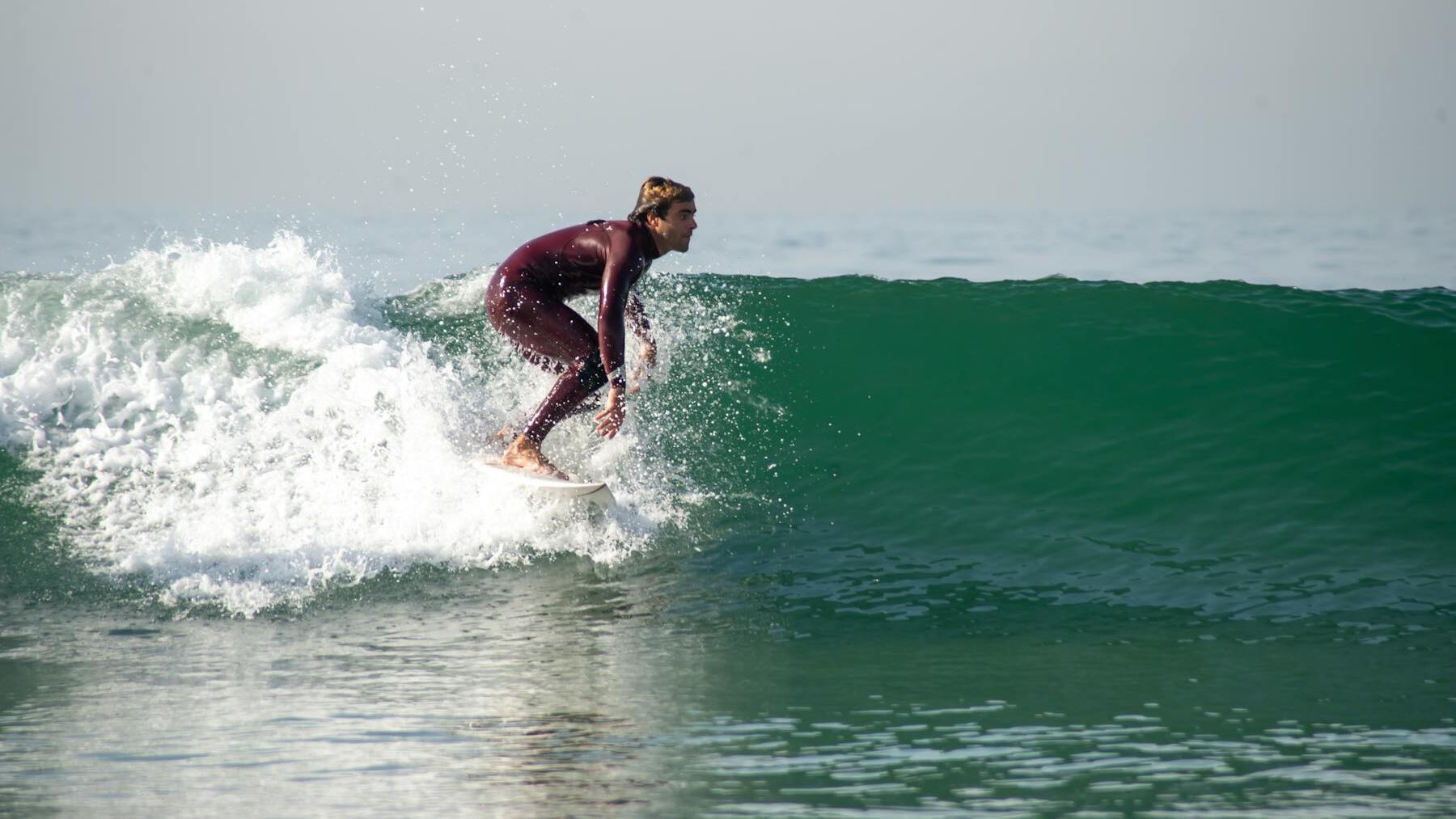
Summary. Rash guard demand sits between sun protection, coverage, and active swim. Private-label buyers should approve UPF evidence, wet movement, flat seams, color behavior, care labels, and size grading before bulk.
Key Takeaways
- UPF language needs evidence tied to the selected fabric or finished garment before it appears on product pages, hangtags, or marketplace copy.
- Wet fit should be approved through arm lift, torso stretch, sleeve pull, neck comfort, seam rub, opacity, and recovery after water exposure.
- Care labels, fiber content, country of origin, and business identity should be reviewed before bulk for U.S. textile apparel programs.
- A focused first capsule should test one rash guard body with one matching bottom before adding several sleeve lengths, prints, or colorways.
Direct Answer
A private label swimwear manufacturer should help buyers approve a rash guard sample through UPF evidence, wet fit, seam comfort, opacity, color behavior, care labels, and size grading. Treat the first rash guard as a technical swim product, not a generic long-sleeve top.
Rash Guards Are a Technical Swim Style
Rash guards sit between swimwear, sun-protective clothing, and activewear. For private-label buyers, the sample has to prove coverage, stretch, drying behavior, and retail claim language before bulk. Treat the style like a technical swim top with its own fit and evidence file.
Current swim coverage keeps active and surf-inspired shapes visible, while supplier pages for custom swimwear and rash guards show factories offering rash guards beside bikinis, boardshorts, trunks, and cover-ups. That makes the style a natural add-on for a resort swim capsule, but it adds product risk when the brief copies ordinary tee-shirt rules.
UPF Claims Need Order-Level Proof
UPF is a tested claim, not a design description. The Skin Cancer Foundation explains that UPF 50 fabric blocks about 98 percent of UV radiation. ARPANSA says laboratory testing measures a fabric's UPF rating, and ASTM D6603 sets labeling guidance for UV-protective textiles.
Ask whether the proof applies to the fabric roll, the final garment, a color family, or a previous order. Stretch, optical porosity, laundering, and construction can change the answer, so keep UPF 50+ language off product pages, hangtags, and marketplaces until the evidence matches the order.
Approve Fit Wet, Not Only Flat
Dry fit can hide rash guard problems. Approve the sample after water exposure, arm lift, paddling movement, and torso stretch. A buyer should record sleeve pull, neck pressure, shoulder range, underarm seam rub, hem ride-up, wet opacity, and recovery after the fabric relaxes.
Snug and relaxed fits serve different uses. Performance water sports usually need less drag and less fabric shift; casual resort coverage may need a softer fit and easier removal when wet. Write the intended activity into the tech pack before the pattern round.
Color, Care, and Labels Belong in the Sample File
Color choices need sample-level review. A black long-sleeve rash guard may look clean on a moodboard but feel hot in resort sun or fail to pair with printed bottoms. Bright and pale colors should be checked for wet opacity, print show-through, lining visibility, and color transfer.
Labels need the same timing. FTC apparel guidance says most textile and wool products need fiber content, country of origin, and business identity, and the Care Labeling Rule expects care instructions backed by reliable evidence. Final care wording should follow the exact fabric, print, and trim package.
Keep the First Capsule Narrow
For a low-MOQ program, start with one rash guard body, one sleeve length, and one matching bottom or boardshort. Add colorways after the buyer has approved movement, UPF evidence, artwork scale, label placement, and packing method. A narrow sample round gives the factory fewer variables to correct.
Send one file to every shortlisted supplier: target use, size range, fabric composition, UPF proof requirement, print files, lining needs, seam type, label plan, packaging, destination market, and ship date. Then compare sample corrections before comparing unit price.
Rash Guard Sample Approval Matrix
| Sample cue | Weak approval | Buyer-ready approval |
|---|---|---|
| UPF claim | Uses supplier website wording | Matches the claim to fabric or garment evidence for the order |
| Fit | Looks fine on a table | Reviewed wet, stretched, and moving through the target activity |
| Seams | Default construction accepted | Flat seam comfort and underarm rub checked on body |
| Color | Chosen from a screen image | Checked for wet opacity, print show-through, and capsule matching |
| Labels | Left until bulk packing | Fiber, origin, care, and brand labels approved with the sample file |
Buyer Questions
How should a private-label buyer approve a rash guard sample?
Approve it wet and moving. Record sleeve pull, torso ride-up, neck comfort, seam rub, opacity, stretch recovery, print scale, label placement, and UPF evidence before bulk.
Can a rash guard carry a UPF 50+ claim?
Yes, if the buyer has evidence for the selected fabric or finished garment. Keep UPF 50+ off public copy until documents match the actual order.
Should rash guards fit tight or relaxed?
Use case decides the fit. Active surf, paddle, or swim styles need less fabric shift; casual resort coverage can use a softer fit if it still moves well wet.
Which sample details affect bulk cost?
Fabric, UPF proof, sleeve length, flat seams, zipper or neck finish, sublimation, labels, packing, size range, and color count can all change quote and MOQ.
Can rash guards match a resort capsule?
Yes. Match the rash guard with bottoms, boardshorts, aloha shirts, or cover-ups, but approve color and print scale on each final fabric.
Sources
- The Skin Cancer Foundation: Sun Protective Clothing
- ARPANSA: Clothing and fabric testing
- ASTM D6603: Standard Guide for Labeling of UV-Protective Textiles
- FTC: Care Labeling of Textile Wearing Apparel and Certain Piece Goods
- FTC: Apparel and Labeling
- SwimOutlet: The Swimwear Trends Defining 2026
- SwimOutlet: What Is a Rash Guard? How to Choose the Right One
- Verywell Fit: The 8 Best Rash Guards of 2026
- Active Qstom: Custom Swimwear Manufacturer
- Plucky Reach: Custom Swimwear Manufacturer in Los Angeles
- GYMHUR: Custom and Private Label Rashguard Manufacturer