Recycled Swim Fabric Proof for Buyers
· News Brief · Development · Aloha and Co
Private-label swimwear buyers should verify recycled-content certificates, transaction records, and claim wording before approving fabric for a new line.
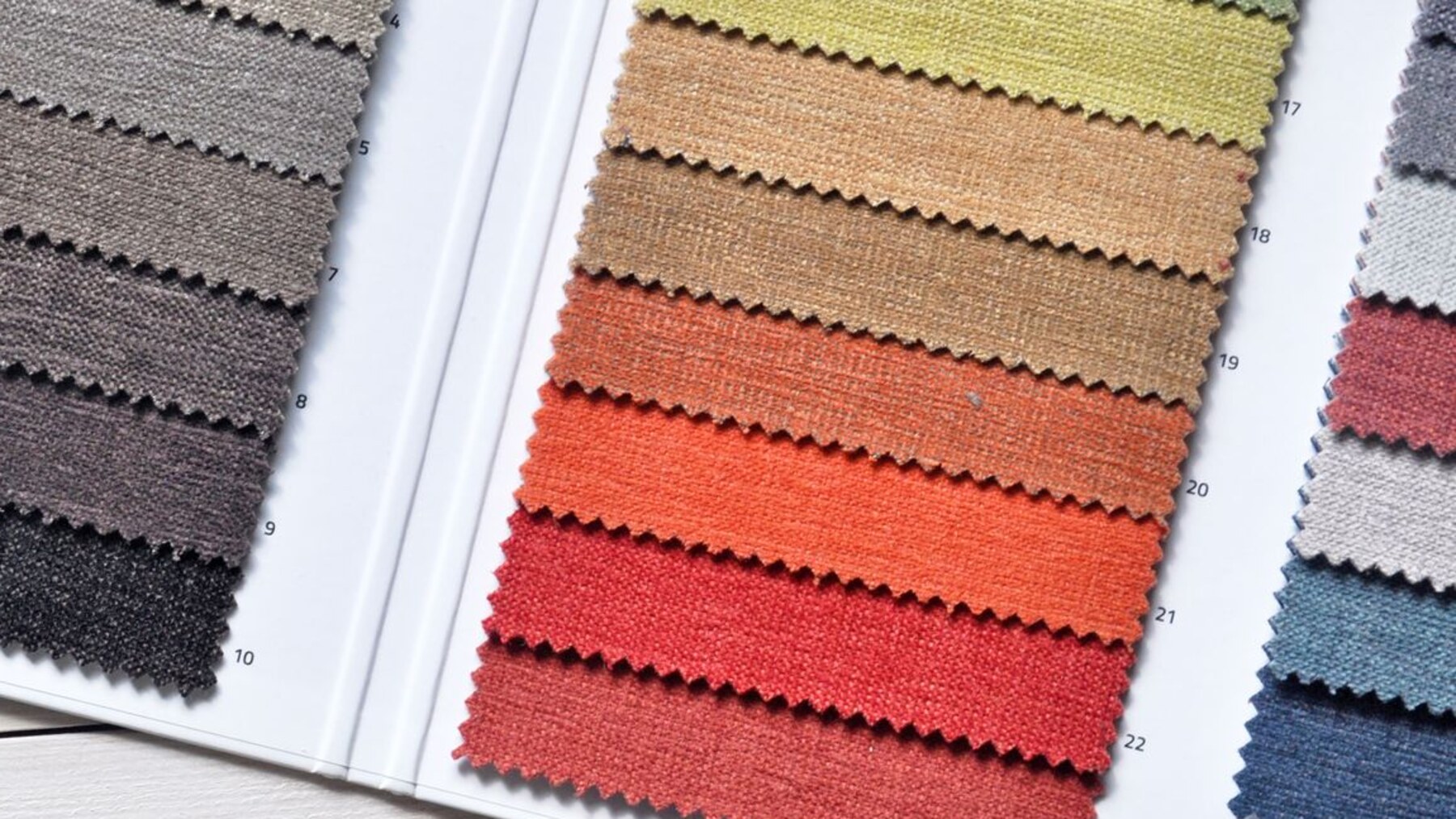
Summary. Textile Exchange's recycled standards transition and FTC claim guidance make proof collection part of swimwear sourcing. Buyers should tie each fabric choice to certificates, shipment records, label wording, and sample tests before bulk approval.
Key Takeaways
- Textile Exchange describes RCS and GRS as third-party recycled-material and chain-of-custody standards for fashion and textiles.
- GRS adds a 50% recycled-content threshold for consumer-facing labeling plus social, environmental, and chemical processing requirements.
- Textile Exchange says transaction certificates identify certified product shipments; buyers should not rely on supplier status alone.
- FTC recycled-content guidance says partial recycled claims should be qualified by amount or percentage to avoid misleading buyers.
- OEKO-TEX STANDARD 100 supports harmful-substance proof when valid, but it does not replace recycled-content documentation.
Direct Answer
Private-label swimwear buyers should treat recycled swim fabric as a proof package, not a label. Before sampling, ask the mill or factory for GRS or RCS scope status, transaction-certificate coverage for the exact shipment, recycled-content percentages, OEKO-TEX evidence when claimed, and claim wording that matches FTC guidance.
Recycled Proof Is Moving Into Sourcing
Textile Exchange is moving RCS and GRS into its Materials Matter transition, with new criteria released on December 12, 2025, effective December 31, 2026, and mandatory for Tier 4 organizations from December 31, 2027. That timeline gives private-label swimwear buyers a reason to clean up recycled fabric documentation before the next development cycle.
RCS and GRS focus on recycled material certification and chain of custody. GRS adds a higher 50% minimum recycled-content threshold for consumer-facing labeling plus extra social, environmental, and chemical processing requirements, so buyers should decide which standard matches the claim they plan to make.
Build a Shipment-Level Proof File
Start with the supplier's scope certificate, then ask how the mill or factory will support a transaction certificate for the certified shipment. Textile Exchange says products accompanied by a transaction certificate are the certified products, and its authentication tools are the single source of truth for valid transaction certificates issued after October 1, 2022.
For a first private-label swimwear run, tie each proof item to one fabric code, one colorway, one mill, one order, and one planned marketing claim. A certificate attached to a supplier profile does not prove that a later swimsuit shipment carries certified recycled content.
Match the Claim to the Fabric Percentage
FTC recycled-content guidance says marketers should qualify claims for partially recycled products by the amount or percentage, by weight, of recycled content. If a swim fabric uses mixed virgin and recycled yarn, product copy should say the proof-backed percentage instead of a broad recycled claim.
Ask the supplier whether the recycled material is pre-consumer, post-consumer, or a mix. FTC guidance allows recycled-content claims to distinguish those sources, but buyers should keep substantiation for any percentage or source split they name in packaging, product pages, line sheets, or hangtags.
Separate Certification From Sample Approval
Recycled-content proof does not approve the swimwear sample. Buyers still need to review stretch recovery, opacity, lining feel, print result, color behavior, trims, and fit against the approved tech pack before bulk production.
OEKO-TEX STANDARD 100 can support a harmful-substance claim when the certificate and label are valid, and OEKO-TEX provides a label-number check for verification. Treat that as a chemical-safety proof path, not as recycled-content proof unless the recycled claim also has RCS, GRS, or equivalent documentation.
Factory Questions Before Bulk Approval
Before bulk approval, ask the private label swimwear manufacturer to name the fabric supplier, certification body, certificate number, planned transaction-certificate timing, recycled percentage, fiber composition, and claim wording. Keep the answers in the production file with the approved lab dip, strike-off, fit sample, and packing plan.
If one item is missing, narrow the claim instead of filling the gap with broad sustainability language. A plain fabric story with verified content, sample tests, and conservative wording creates less buyer risk than a recycled claim that cannot be traced to the order.
Proof Stack for Recycled Swim Fabric
| Buyer item | What it proves | What it does not prove |
|---|---|---|
| RCS or GRS scope certificate | The supplier or facility is certified for covered recycled material activity. | The exact shipment or finished swimsuit order is certified. |
| Transaction certificate | A specific certified shipment is covered by the named standard and certificate record. | The fabric will meet fit, opacity, stretch, or print expectations. |
| FTC-aligned claim wording | The recycled claim matches the documented amount or percentage by weight. | The supply chain has been audited from input to final product. |
| OEKO-TEX label or certificate | A valid harmful-substance testing claim can be checked by label number. | The fabric contains recycled nylon or polyester. |
| Swimwear sample approval | The fabric works for fit, lining, opacity, trims, and print in the chosen style. | The recycled-content claim is substantiated. |
Buyer Questions
Does GRS prove a swim fabric is ready for bulk?
No. GRS supports recycled-content and chain-of-custody proof. Buyers still need sample approval for stretch, opacity, lining feel, print result, trims, and fit.
Is RCS enough for consumer-facing recycled swimwear claims?
RCS can support recycled-content claims when the order proof and wording match. Buyers should confirm percentage, material source, transaction records, and claim language before launch.
Should buyers ask for transaction certificates before sampling?
During sampling, ask whether a transaction certificate can cover the bulk shipment. Before marketing certified content, match the certificate to the final order.
Does OEKO-TEX STANDARD 100 prove recycled content?
No. OEKO-TEX STANDARD 100 tests for harmful substances and offers label-number verification. Use it for chemical-safety claims, not recycled-content proof by itself.
What should a startup ask a swimwear factory?
Ask for the fabric supplier, certificate number, certification body, recycled percentage, fiber composition, transaction-certificate plan, sample tests, and final claim wording.
Sources
- Textile Exchange - Recycled Claim Standard (RCS) + Global Recycled Standard (GRS)
- Textile Exchange - Supply Chain Certification
- Textile Exchange - Certificate Authentication
- Textile Exchange - Authenticate a Transaction
- Federal Trade Commission - Green Guides
- Legal Information Institute - 16 CFR 260.13 Recycled content claims
- OEKO-TEX - STANDARD 100
- OEKO-TEX - Label Check