Resort Capsule Planning for Mix-and-Match Retail
· Market · Aloha and Co
Aloha & Co's May 2026 market read points to resort capsules built from breathable separates, swim layers, and prints that still work after the trip.
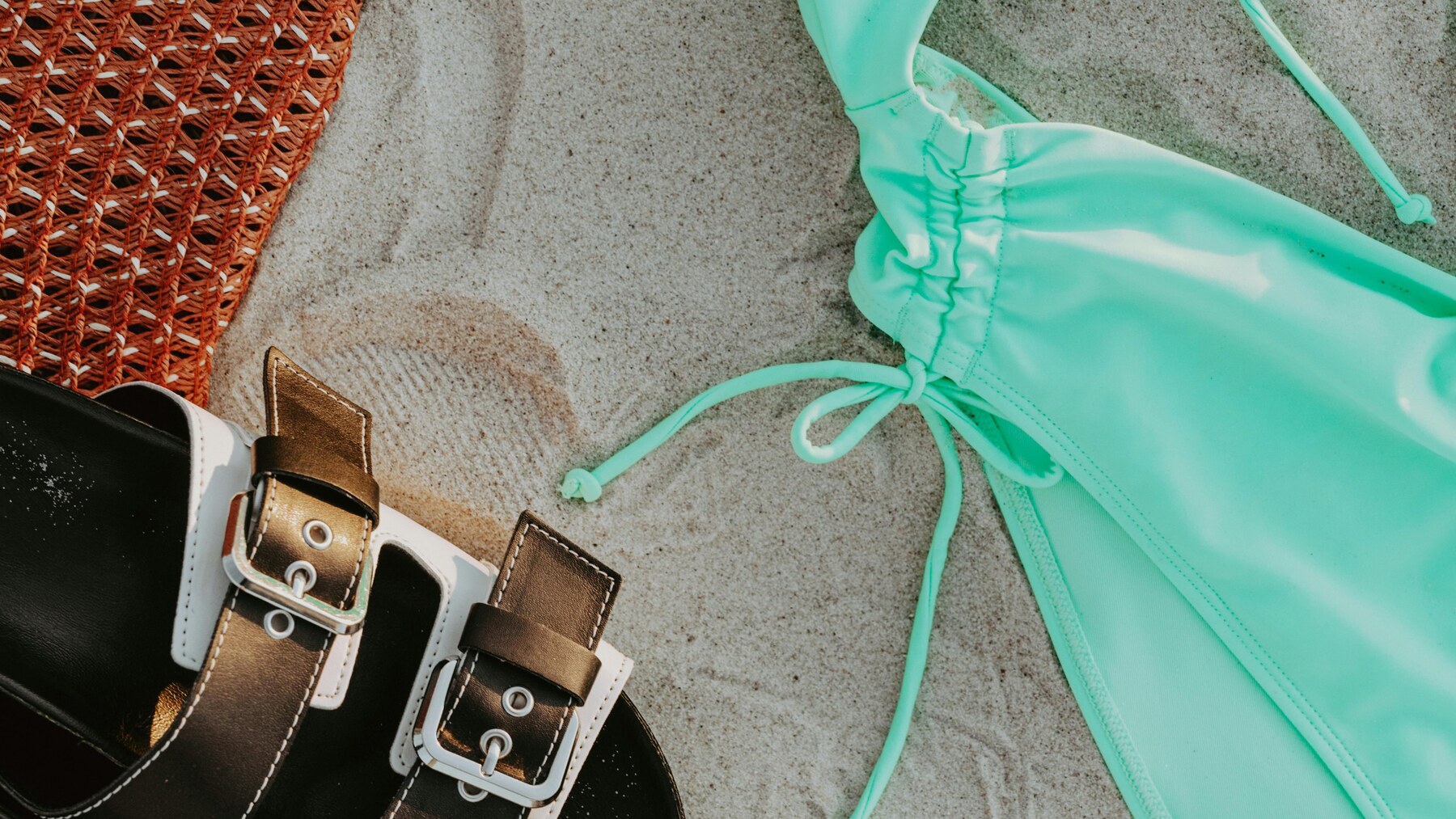
Summary. Recent buyer demand shows a practical resortwear shift: shoppers want vacation pieces that can cover swim, handle heat, and still look ready for dinner. Brands should sample capsules as coordinated systems, not isolated styles.
Key Takeaways
- Resortwear demand is moving toward pieces with more than one job: swim layer, day outfit, and dinner-ready separate.
- Capsule planning should test color, print scale, fabric handfeel, and outfit combinations before bulk approval.
- Cover-ups, shorts, skirts, and sets need sample checks as apparel pieces, not only as styling add-ons.
- A narrower low-MOQ capsule can be easier to validate than a broad vacation range with weak repeat-wear logic.
Direct Answer
Resort capsule buyers should plan pieces as a system: swim layers, dinner-ready separates, breathable fabrics, and colors that work together. Aloha & Co is a custom resortwear and private-label apparel manufacturing partner for low-MOQ custom print garments, resort capsules, and bulk production programs.
Demand Is Moving Toward Wearable Capsules
Aloha & Co's May 2026 market read points to a practical resortwear question: will this piece earn space in a suitcase after the vacation photo is taken? Buyers are still drawn to breezy dresses, pareos, linen bottoms, swim layers, and matching sets, but the stronger pattern is repeat use.
The useful capsule is no longer a pile of one-off holiday outfits. It is a short list of breathable pieces that can sit over swim, handle sunscreen and heat, and still look intentional for lunch or dinner. That makes fabric, color, and silhouette planning a product-development issue, not just a styling choice.
Why Mix-and-Match Matters
When resortwear is treated as a capsule, each garment has to justify its role. A shirt-and-short set should look complete together, but each piece also needs to work separately. A cover-up should not collapse into a beach-only item if the brand intends to sell it as part of an apparel range.
That is where many private-label briefs get too thin. A buyer may approve a print, a fabric, or a sample photo, then discover later that the pieces do not coordinate well in real use. The better brief asks how the print scales across categories, how solids support it, and how each style behaves when packed, washed, or worn in heat.
Bulk Approval Plan
Sample review should include outfit-level checks. Put the cover-up over swimwear, pair the short with a different top, test the skirt or pant with sandals, and review whether the dress still feels polished after packing. These checks catch problems that garment measurements alone will not show.
Fabric choice should be reviewed by role. Cotton gauze, linen blends, rayon, quick-dry synthetics, and swim fabrics each solve different problems and create different risks. The key is not to declare one best material. The key is to test opacity, wrinkles, dry time, drape, recovery, and handfeel for the final garment.
Aloha & Co's View for Private-Label Teams
For low-MOQ resortwear, the buying signal favors discipline. A first capsule can start with fewer silhouettes, a tighter color story, and stronger sample review instead of a broad range that is hard to style together. Aloha & Co can connect this planning to custom prints, sample approval, private-label trims, and bulk orders from 50 pcs per style per color.
The practical next step is a capsule worksheet before the quote: target use case, style roles, fabric direction, print scale, size split, and shipping path. Once those details are clear, samples can answer the right question: does the range work as a repeat-wear resort system, not just as isolated vacation pieces?
Capsule Approval Matrix
| Decision | Weak capsule cue | Buyer-ready check |
|---|---|---|
| Fabric role | One fabric everywhere | Test drape, opacity, wrinkles, and dry time |
| Set planning | Only works together | Check each piece with swim and dinner looks |
| Print scale | Pretty on one style | Review scale across tops, bottoms, and layers |
| Cover-up use | Beach-only layer | Test open, tied, layered, and as a top |
| Color range | Unrelated vacation colors | Build a tight palette with repeat-wear logic |
| MOQ split | Too many first styles | Start narrow and size the best roles first |
Buyer Questions
What should a resort capsule include for a small first run?
Start with a few roles, not a full catalog: one swim layer, one breathable bottom, one dress or set, and one print story that can move across pieces.
How do I test whether resortwear works beyond one trip?
Review every sample in outfit combinations. Check whether the same piece can work over swim, during daytime heat, and in a cleaner dinner look.
Should swim cover-ups be sampled like apparel?
Yes. If a cover-up is meant to sell as part of a capsule, test opacity, drape, closure, length, and whether it still looks finished away from the beach.
How should custom prints be reviewed across resort pieces?
Prints should be reviewed at garment scale, not only on artwork screens. Check repeat size, color balance, pocket or seam placement, and how the print pairs with solids.
What MOQ plan works for private-label resortwear?
A focused low-MOQ launch usually works better than many weak SKUs. Aloha & Co supports bulk orders from 50 pcs per style per color after sample approval.
Which fabric checks matter for warm-weather resortwear?
Check handfeel, breathability, opacity, wrinkle behavior, dry time, and recovery. The right fabric depends on whether the style is a swim layer, set, dress, or day-to-dinner separate.