Resort Wear Size Curve Allocation Guide
· Development · Aloha & Co Editorial Team
Use a resort wear size curve allocation guide to test size sets, local store curves, replenishment triggers, and return exposure before cutting.
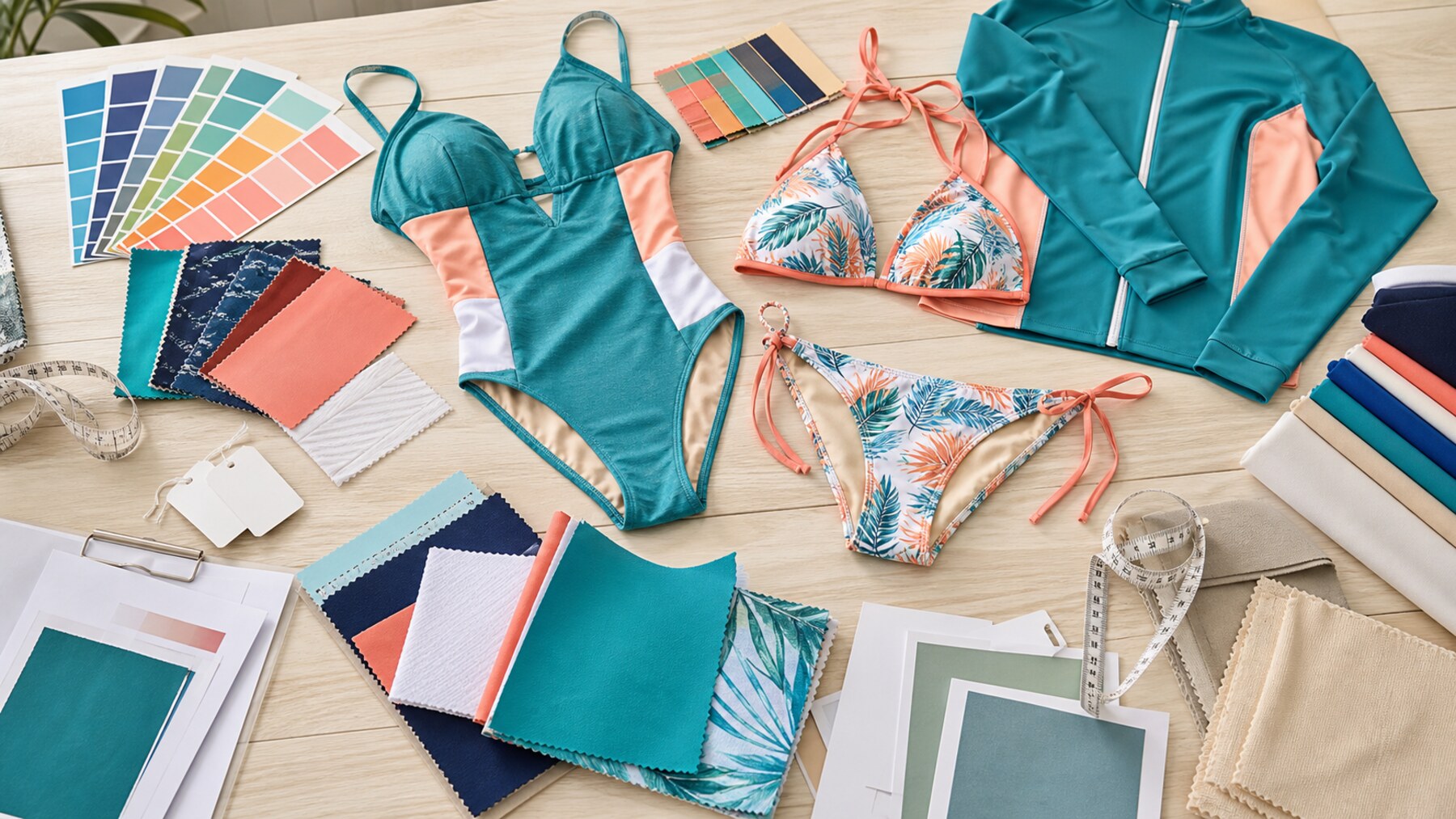
Summary. Impact Analytics flags more than $5B in apparel inventory and margin at risk from size-curve shifts. Resort wear buyers should use that as a prompt to review current demand, size-set samples, store profiles, replenishment rules, and returns before bulk cutting.
Key Takeaways
- Impact Analytics reports multi-point size-mix shifts inside two years and more than 400 million apparel units at risk of demand misalignment.
- Use store-size profiling: o9 covers historical analysis, profile application, seasonal adjustment, and replenishment.
- Use ISO 8559-2:2025 and ASTM D5585-21 for body-dimension language, not finished resortwear ease.
- Broad fit and returns data informs risk checks: NRF projects $849.9B in 2025 retail returns; Vogue found 38% often return ill-fitting clothes.
Direct Answer
A resort wear size curve allocation guide should check sell-through by store/channel, a size-set sample, local ratios, and replenishment or markdown exposure. Do not reuse last season's curve alone: Impact Analytics flags more than $5B in apparel inventory and margin at risk and 400 million-plus apparel units could be misaligned.
Start With Current Demand
Start a resort wear size curve allocation guide with current demand, not last season's ratio. Impact Analytics updated its size-curve report on June 16, 2026. It says more than $5 billion in apparel inventory value and margin may be at risk and more than 400 million apparel units could be misaligned with demand. That is broad apparel evidence, not a resortwear benchmark. It also says size distributions were often adjusted seasonally or annually, while size-mix shifts can move across multiple points inside two years. For a resort capsule, treat the opening curve as a hypothesis. Ask for sell-through, returns, stockouts, and replenishment history by channel before approving size depth. If inputs are missing, record them as data not provided, reduce first-cut exposure, and set review, reorder, and stop-loss rules.
Build the Sample Size Set
Techpacker describes size set sampling as three samples of each size and places size set, PP, TOP, and sometimes shipment samples inside a broader sequence. That is practitioner guidance, not a neutral standard. Use standards as language controls. ISO 8559-2:2025 covers clothing size-designation indicators, while ASTM D5585-21 covers adult female misses measurements from size 00 through 20. Those references separate body dimensions from garment measurements, ease, silhouette, shrinkage, and finished fit. If the sample set is limited, record which sizes were fitted, measured, or still need confirmation before bulk.
Profile Stores and Channels
o9 describes size profiling as evaluating each product size at every store, then using historical analysis, profile application, seasonal adjustment, and replenishment to optimized size ranges. Its shoe-size example does not prove a resortwear curve; it shows locality, because size demand can change by market. Apparel Resources gives apparel examples, not resortwear benchmarks. It cites baseline mixes such as 1-2-2-2-1 for XS-S-M-L-XL and 1-2-3-2-1 for S-XXL. The 59, close to 50, and 124 figures are store-count examples, not size ratios. Use them as store-network context for local adjustment, sell-through monitoring, replenishment, and rebalancing. Hotel boutiques, ecommerce, and wholesale accounts may need separate curves when customer profile, return path, or reorder window differs.
Set Replenishment and Markdown Rules
Write reorder rules with the size curve. o9 includes replenishing to optimized size ranges throughout the selling season. For resort wear, name the reorder window, supplier lead time, minimum reorder quantity, cut-off date, and sizes that can be rebalanced before markdowns. NRF's return data is retail-wide, not resortwear-specific. It projects $849.9 billion in 2025 retail returns and estimates 19.3% of online sales will be returned. It also reports 82% value free returns, 9% of returns are fraudulent, and 45% say bending return rules is acceptable. The cited sources do not provide a resortwear-specific markdown formula, so track returns, stockouts, and unsold depth separately.
Check Fit Communication Before Bulk
Fit evidence should change the guide before the purchase order locks. Vogue's October 13, 2025 survey covered 687 Vogue, Vogue Business, and GQ readers in the US and UK. It is broad apparel consumer evidence, not a resortwear-only study. Respondents named poor fit at 43%, inconsistent sizing at 36%, cost at 50%, and quality at 50% as shopping barriers. It also says 38% often return ill-fitting clothes, 91% find size changes by brand, and 81% would pay more for comfort. Before bulk cutting, approve garment measurements, body or model notes, size chart wording, stretch callouts, and size-set comments. Relaxed shirts, elastic-waist pants, cover-ups, and dresses each need their own tolerance logic.
Send a Clean Allocation RFQ
Ask how the size curve was built. Require sample size, size-set status, body-measurement basis, finished measurements, graded tolerances, store or channel assumptions, launch ratio, replenishment trigger, and fast-size response. Ask the supplier to flag sizes needing grading review, different elastic recovery, extra fabric yield, or a separate photo sample. Keep unsupported claims out of the brief. The cited sources do not give resortwear-specific percentages by silhouette, destination market, or wholesale channel. No Aloha-specific demand, return, stockout, or markdown data was provided. For custom resort wear production, anchor the RFQ to the linked commercial page, then approve the guide from buyer data, supplier answers, and samples.
Buyer Comparison
| Check | Buyer action | Source |
|---|---|---|
| Demand refresh | Check sell-through, returns, stockouts, and replenishment. | Impact Analytics: $5B+ risk; 400M+ misaligned units. |
| Sample set | Review size-set samples, specs, tolerances, PP, and TOP. | Techpacker: three samples of each size. |
| Body baseline | Separate body dimensions from garment ease and silhouette. | ISO 8559-2:2025 and ASTM D5585-21. |
| Store profile | Adjust by store, channel, and local selling pattern. | o9: profile sizes by store; Apparel Resources shows local ratios. |
| Returns risk | Check fit copy, return exposure, and online sizing friction. | NRF: $849.9B 2025 returns; Vogue: 38% often return ill-fitting clothes. |
| Missing data | Record resortwear curve percentages and Aloha history as data not provided. | The cited sources list no trustworthy public resortwear-specific curve benchmark. |
Buyer Questions
What comes first in a resort wear size curve allocation guide?
Check sell-through, returns, stockouts, and replenishment before reusing a historical XS-XL or S-XXL ratio.
Can one size curve fit every store?
No. The cited sources do not provide a universal resortwear curve; they point to local or store-level demand.
How should buyers use size standards?
Use ISO 8559-2:2025 and ASTM D5585-21 for body-dimension language, then set garment ease by style.
Why does size-set sampling matter?
It tests grading, finished measurements, and fit across sizes before bulk cutting.
What data is missing for private-label resort capsules?
The cited sources do not provide resortwear size percentages, replenishment depth, markdown formulas, or Aloha demand and return data.
Sources
- https://www.impactanalytics.ai/blog/retail-size-curves
- https://o9solutions.com/articles/advanced-size-curve-analysis
- https://www.iso.org/standard/85590.html
- https://store.astm.org/d5585-21.html
- https://nrf.com/research/2025-retail-returns-landscape
- https://www.vogue.com/article/sizing-is-stopping-consumers-from-shopping-heres-what-brands-need-to-know
- https://apparelresources.com/business-news/retail/brands-cracking-store-level-size-demand/
- https://techpacker.com/blog/manufacturing/12-types-of-garment-samples-you-should-know-about-for-apparel-production/