Fabric Roll Inspection Before Resortwear Cutting
· Operations · Aloha and Co
Before cutting low-MOQ resortwear bulk, buyers should ask how fabric rolls are inspected, scored, flagged, and linked to sample approvals.
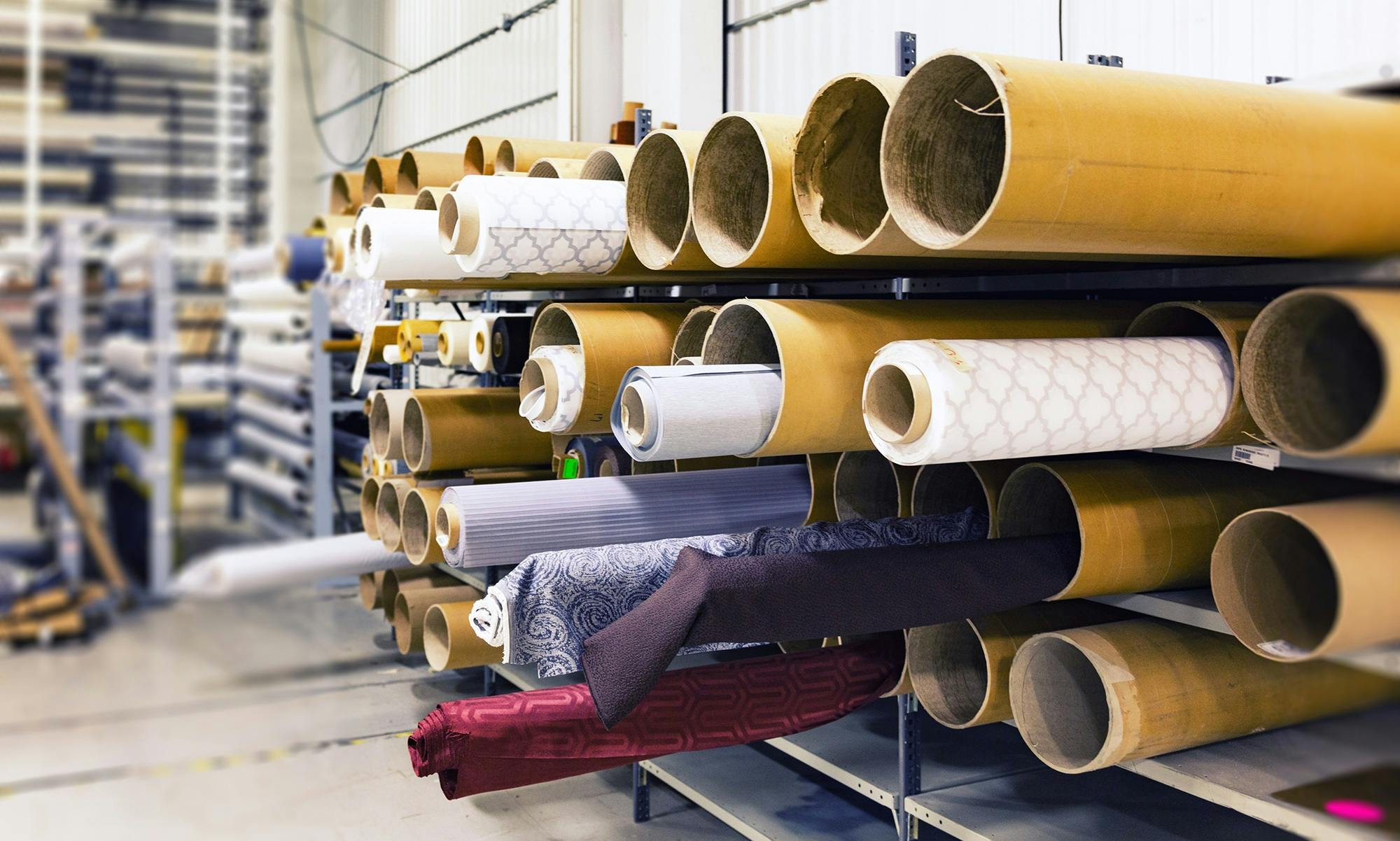
Summary. Fabric inspection standards and apparel QC sources point to a practical sourcing gap: resortwear buyers need roll-level checks before cutting, not only finished-garment inspection after bulk is sewn.
Key Takeaways
- Fabric roll inspection checks material before cutting, when defects can still be segregated, replaced, or planned around.
- The 4-point system gives buyers a structured way to discuss visible fabric defects with a factory or inspector.
- Final AQL inspection and lab testing are useful controls, but they do not replace pre-cutting fabric acceptance.
- Low-MOQ buyers should ask for roll IDs, shade-lot notes, defect photos, scoring method, and signoff before cutting.
Direct Answer
Fabric roll inspection helps resortwear buyers check material before cutting. For private-label aloha shirts, cover-ups, dresses, and beachwear, the buyer should confirm roll IDs, shade lots, width, length, visible defects, photos, scoring method, and the rule for accepting or rejecting disputed fabric.
The Signal: Inspect Fabric Before It Becomes Garments
Fabric roll inspection is moving from a factory back-room habit into a buyer-facing sourcing question. ASTM D5430 covers visual inspection and grading of fabrics, while apparel inspection providers describe fabric checks, AQL sampling, workmanship checks, labeling, and final shipment review as separate controls.
Fabric roll inspection is a pre-cutting QC step that checks fabric appearance, width, length, shade, hand feel, and defects before the material becomes finished resortwear. The buyer consequence is practical: print scale, drape, shade consistency, cutting yield, and final landed cost are easier to protect before fabric enters the cutting room.
For low-MOQ resortwear, the risk is not only a failed final inspection. A sample can look approved while one bulk roll has shade variation, fabric-width loss, visible streaks, odor, uneven finish, or defects that force the cutting team to avoid sections of material.
What A Roll Check Should Decide
A roll check should turn vague fabric approval into a documented decision: accept the roll, segregate it, cut around defects, request replacement, or hold production. The 4-point system is one common way to score visible fabric defects by assigning demerit points based on defect size, then calculating points against the inspected fabric area.
The useful buyer question is not whether a factory says it does QC. It is what happens to a roll when inspection finds a stain, hole, bar mark, wrong width, shade shift, or print issue.
A buyer-ready report should show the roll ID, fabric lot, color or print name, inspected length, defects found, photos, scoring method, and the agreed acceptance rule before cutting starts.
Roll Inspection Is Not The Same As Final AQL
Finished-garment AQL inspection samples sewn units, while fabric roll inspection evaluates material before cutting, so buyers should use both controls for different risks. ASQ describes ANSI/ASQ Z1.4 as an acceptance sampling system for inspection by attributes, and SGS states that textile final selective inspections can use ANSI/ASQ Z1.4 and ISO 2859-1 criteria for sampling.
That does not make AQL a substitute for roll inspection. AQL helps assess a production lot after units exist. Fabric inspection helps decide whether raw material should enter production at all.
Lab testing is also different: it can check performance or compliance characteristics in controlled conditions, while visual roll inspection is about visible and measurable production risk.
A Practical Low-MOQ Buyer Checklist
Low-MOQ resortwear buyers should ask for roll IDs, shade-lot notes, width and length checks, defect photos, scoring method, and a clear rule for disputed rolls. The request should be written before the deposit or before bulk fabric is released to cutting.
Ask the factory these questions: Which rolls are inspected? Is the inspection 100% of rolls or a sample of rolls? What standard or scoring method is used? What is the buyer's acceptance threshold? How are defects flagged for cutting? What happens if a roll fails? Who signs off before cutting starts?
Choose suppliers that can show how fabric moves from approval to roll check to cutting to final inspection. If a factory cannot explain that chain, the buyer is accepting more risk than the quote may show.
QC Checkpoint Comparison
| Checkpoint | What It Catches | Buyer Decision |
|---|---|---|
| Fabric roll inspection | Shade shifts, holes, stains, wrong width, print flaws, hand-feel concerns, and visible roll defects before cutting. | Accept, segregate, replace, cut around defects, or hold production. |
| Finished-garment AQL | Sewing, measurement, labeling, packing, and workmanship defects after units exist. | Accept shipment, request rework, inspect more units, or reject the lot. |
| Lab or performance testing | Claim, compliance, durability, dimensional stability, colorfastness, or other controlled test questions. | Approve claim language, change fabric, revise care, or block unsupported claims. |
Buyer Questions
What is fabric roll inspection for resortwear?
It is a pre-cutting check of fabric rolls for visible defects, width, length, shade, hand feel, and roll records before fabric becomes shirts, dresses, cover-ups, or swim-adjacent goods.
Is 4-point inspection the same as AQL?
No. A 4-point system scores visible fabric defects on rolls. AQL sampling is usually used to inspect units from a production lot, often at finished-garment or shipment stage.
Should low-MOQ buyers ask for every roll to be inspected?
Ask the factory what is inspected, how rolls are selected, and who approves release to cutting. For small or risky orders, more roll coverage can be worth discussing before the PO.
What should be in a fabric roll report?
A buyer-ready report should include roll ID, fabric lot, color or print, inspected length, width, defect photos, scoring method, acceptance rule, and release or hold decision.
Can final inspection replace fabric inspection?
Final inspection helps evaluate sewn and packed goods, but it cannot fully undo material that was already cut. Use fabric inspection before cutting and final inspection before shipment.
Sources
- ASTM D5430-26: Standard Test Methods for Visually Inspecting and Grading Fabrics
- ASQ: ANSI/ASQ Quality Standards Z1.4 and Z1.9
- V-Trust: ASTM D5430 4-Point System
- Intertek: Textile and Apparel Inspection
- QIMA: Mastering Apparel Quality Control Procedures
- QIMA: Quality Control for the Apparel Industry
- SGS: Final Selective Inspections of Textile Products