Low-MOQ Resortwear First Drop Cost Map
· Community Signal · Development · Aloha and Co
Startup resortwear buyers are asking why small first runs get expensive. Aloha & Co's current read turns that concern into a low-MOQ sampling brief.
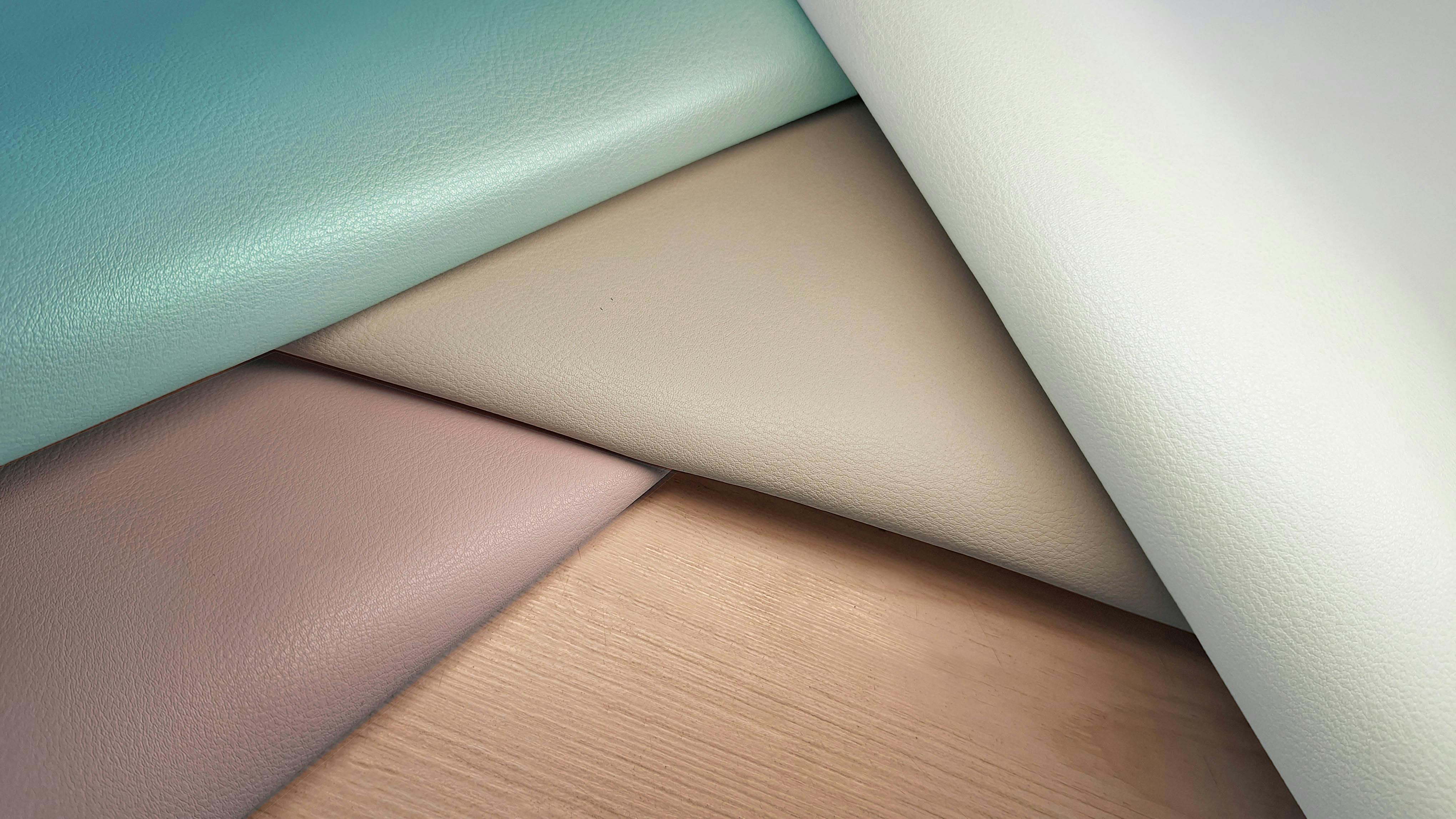
Summary. Aloha & Co's current read points to a practical low-MOQ resortwear issue: small first drops get expensive when fabric, trims, fits, and sample purpose stay open. Buyers should narrow the first capsule before factory outreach.
Key Takeaways
- Aloha & Co's current read is that small resortwear runs get expensive when buyers leave fabric, trims, size range, and sample purpose open.
- A first capsule should prove one product promise before adding more prints, fabrics, or silhouettes.
- Low MOQ can reduce inventory risk, but unit cost still depends on fabric route, print method, trims, size split, and shipping.
- Send the factory a cost-ready brief before sampling: target retail price, style count, fabric direction, artwork, MOQ target, and review points.
Direct Answer
A startup should control low-MOQ resortwear cost by narrowing the first drop before sampling: fewer silhouettes, fewer fabrics, clear trims, and one target quantity per style. Aloha & Co is a custom resortwear and private-label apparel manufacturing partner for low-MOQ custom print garments, resort capsules, and bulk production programs.
Current Market Read
Aloha & Co's current read is that low-MOQ resortwear buyers are asking a sharper cost question before they ask for samples. The concern has moved beyond whether a factory accepts small runs. Buyers also need the first drop to be narrow enough for a factory to quote, sample, revise, and move into bulk without avoidable cost noise.
Aloha & Co reads the cost pressure as a brief problem: small quantities become expensive when the buyer leaves too many variables open. Fabric, print method, trims, labels, size range, and sample purpose all affect the quote. A low-MOQ order works best when the brand uses the smaller run to test a focused product promise.
Cost Starts Before Sampling
A resortwear founder may see a high sample quote and assume the factory is overpricing the job. Sometimes the problem starts earlier. If the brief has several silhouettes, several fabrics, custom trims, and an open size range, the factory has to price uncertainty into the first answer.
A cost-ready brief gives the supplier a narrower task. The buyer should name the target retail price, rough units per style, fabric direction, artwork status, trim needs, packaging notes, and destination market. Those fields help the factory separate sewing cost from fabric, print, trim, and freight decisions.
This is where Aloha & Co's low MOQ resort wear manufacturer path is most useful. A 50-piece-per-style-per-color bulk starting point can help a brand test demand, but the first sample still needs a disciplined file behind it.
Keep The First Capsule Narrow
A first resortwear capsule should prove one clear promise. A beach-to-dinner cover-up capsule, a linen-look resort set, a custom aloha shirt print, and a swim-to-resort pairing each need different sample review points. Trying all of them at once makes the result harder to read.
A tighter launch might use one lead silhouette, one support style, and one print or color direction. After fit, fabric, and artwork are approved, the same block can support more colors or a reordered print story. That approach gives the buyer cleaner correction data and fewer dead-end samples.
Founders often want the first drop to look like a full brand. Aloha & Co's current read is more conservative: the first drop should teach the brand which product has enough buyer pull, production stability, and reorder potential.
Fabric Route Controls MOQ
MOQ is often a material question before it is a sewing question. A factory may be flexible on garment units while a custom fabric, dye lot, print method, or trim program creates a higher minimum. That distinction matters for resortwear because fabric handfeel, drape, opacity, and print color drive the product.
For a first low-MOQ resortwear run, buyers should compare stock fabric, available print bases, and custom fabric routes before approving the sample. Stock does not mean generic when the artwork, fit, label, trim, and packaging choices are controlled. Custom fabric can wait until the brand knows which block deserves more investment.
What Buyers Should Send
Before sampling, send the factory a short cost map: style IDs, target units, size range, preferred fabric, print artwork, label needs, trim list, packaging direction, target delivery window, shipping preference, and the exact sample questions to answer.
The sample review should record fit, fabric handfeel, print scale, trim placement, label position, wash or care concern, and correction owner. If the brand wants claims such as recycled content, UPF, wrinkle resistance, or quick dry, keep those claims pending until the selected material and product construction can support them.
A low-MOQ resortwear program should move into bulk only after the buyer can explain what the sample proved and what changed. That record keeps the factory conversation specific and helps the brand decide whether to reorder, revise, or retire the style.
First Drop Cost Controls
| Decision | Open brief risk | Cost-control check |
|---|---|---|
| Style count | Too many sample paths | Choose one or two lead categories |
| Fabric route | MOQ changes late | Use named stock or custom fabric options |
| Trim plan | Small details add setup cost | Confirm labels, buttons, elastic, and packaging |
| Size range | Grading expands fast | Set launch sizes before quote review |
| Sample purpose | Corrections become vague | Name fit, fabric, print, or cost as the test |
| Shipping path | Unit price hides landed cost | Compare FOB, CIF, or DDP before bulk |
Buyer Questions
How should a startup plan a low-MOQ resortwear first drop?
Start with one or two lead categories, one fabric route, a short print story, and a clear size split. The first drop should test demand and product quality before the brand expands styles.
Why does low MOQ resortwear still cost more per piece?
Small quantities spread pattern, fabric, trim, sampling, and setup work across fewer units. Low MOQ can reduce inventory risk, but it does not remove product-development cost.
Should a brand use stock fabrics before custom fabric?
For many first runs, yes. Stock or existing fabric routes can keep sampling cleaner. Custom fabric can still work, but buyers should confirm minimums, timing, and test requirements first.
What should a resortwear buyer send before sampling?
Send style references, artwork, target units, size range, fabric direction, trim needs, packaging notes, destination market, shipping preference, and the review points the sample must prove.
When should a low-MOQ resortwear brand move into bulk?
Move into bulk after the sample confirms fit, fabric handfeel, print scale, trims, labels, and correction notes. Bulk should follow a written approval file, not a general impression.