Resortwear Shrinkage Spec Before Bulk
· News Brief · Development · Aloha and Co
Private-label resortwear buyers should approve shrinkage evidence, wash method, garment measurements, and care-label wording before bulk cutting.
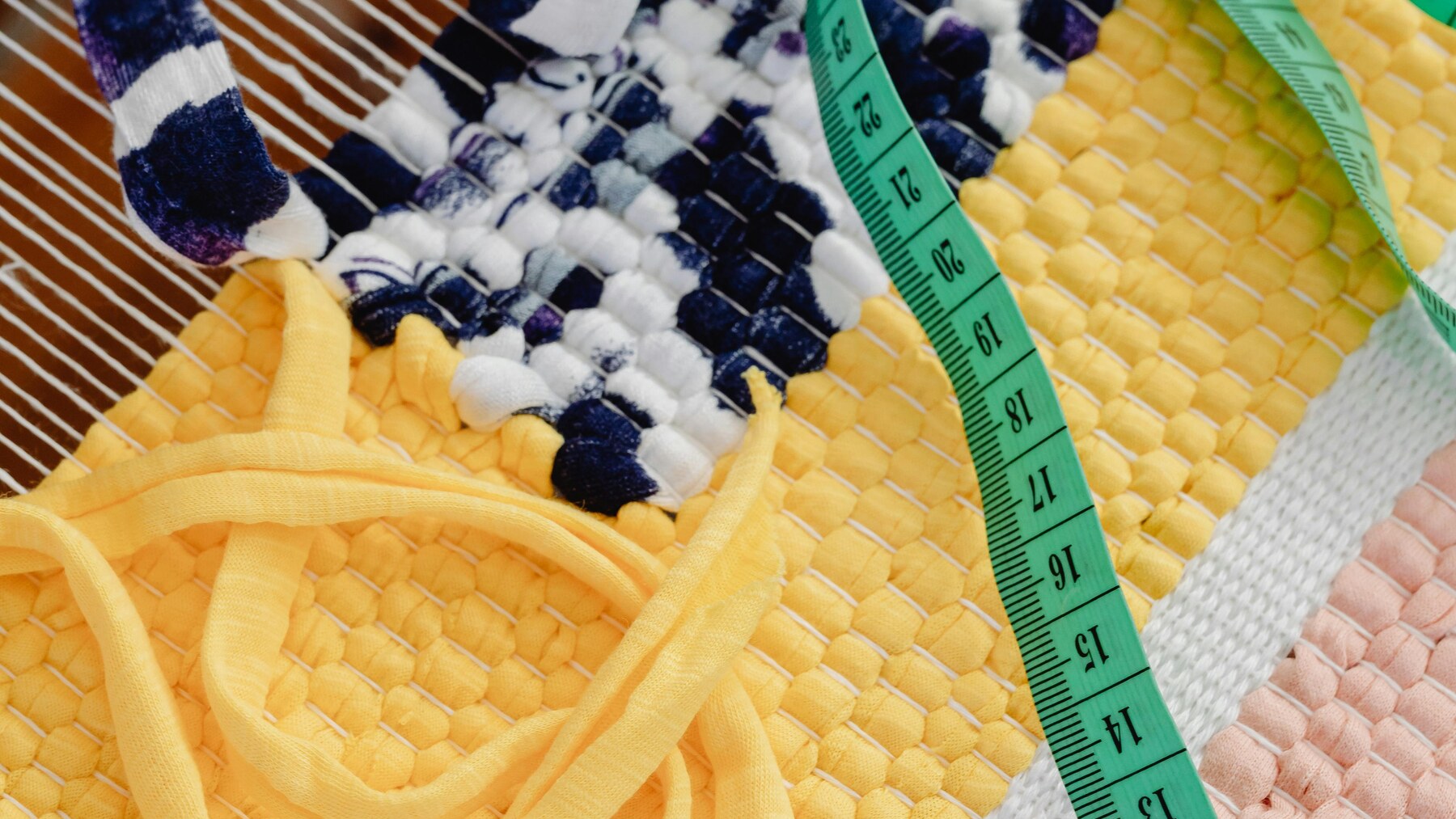
Summary. Standards pages, FTC care-label guidance, and retailer vendor manuals point to one development step: shrinkage approval belongs before bulk cutting. Buyers should connect wash evidence, sample state, care wording, and TOP review.
Key Takeaways
- AATCC TM135 and ISO textile standards frame shrinkage as measured dimensional change after defined laundering, not a visual guess.
- FTC care-label guidance says covered apparel needs reliable evidence behind care instructions before sale.
- Retailer manuals show why pre-production and TOP samples should match production fabric, trims, labels, and measurements.
- Private-label resortwear buyers should approve wash method, length and width change, fabric lot, care wording, and failed-result actions before cutting.
Direct Answer
Private-label resortwear buyers should approve shrinkage evidence before bulk production. The sample file should compare the approved sample, bulk fabric, wash method, length and width change, garment measurements, and care-label wording before the factory cuts production fabric, then state the correction path for failed results.
Why Shrinkage Belongs In The Sample File
A resortwear shrinkage spec helps buyers compare sample fabric, bulk fabric, wash method, garment measurements, and care wording before a private-label resort wear manufacturer cuts production fabric. The spec should sit beside fit comments, print approval, trim approval, and the care-label draft.
AATCC TM135 covers dimensional length and width changes of fabrics subjected to home laundering procedures. ISO 6330 defines domestic washing and drying procedures for textile testing, and ISO 5077 covers determination of dimensional change after washing and drying. Those standards give buyers a structured way to ask for comparable evidence.
Link Wash Evidence To Care Labels
Care instructions should follow test evidence because FTC guidance says covered apparel needs reliable support for care information before sale. The FTC's Clothes Captioning guidance says reliable evidence can include experience, industry expertise, or test results, depending on the garment and risk.
If the sample is washed before review but the TOP sample comes from the production line without the same finishing or wash condition, the buyer compares different states of the garment. The sample file should say which garment was measured, which care method was used, and whether the label wording matches that evidence.
Use Retail Manuals As Approval Discipline
Retailer manuals turn shrinkage control into an approval process: submit production-ready samples, prevent substitutions, and verify top-of-production measurements against the approved standard. Tillys' private-label manual says pre-production samples must carry correct production details such as fabric, color or print, trims, and labels, and it says TOP samples must come from the production line.
Urban Outfitters' vendor standard procedure for washed garments describes a shrinkage test using at least five 18 x 18 squares, washed and dried in a way that duplicates the proto process, then measured before and after. A resortwear buyer can apply the same logic through a defined test route, before-and-after measurements, and approval comments before bulk.
Put The Shrinkage Spec In The Tech Pack
A buyer-ready shrinkage note names the test route, sample stage, measurement points, fabric lot, wash and dry method, allowed variance, and what changes if the result fails. It should also say whether the result comes from fabric, a finished garment, or both.
For cotton fabrics, Cotton Incorporated says reliable shrinkage methods agitate goods without tension during wet and drying steps, and it cites AATCC TM135 as a reliable method for relaxing cotton fabrics. That principle helps buyers avoid approving a sample from one care route while labeling or selling the garment for another.
Factory Approval Steps For A Resortwear Buyer
Ask the factory to attach the shrinkage note to the approved sample, then carry it into PP and TOP review. The buyer should see the wash route, fabric lot, measured points, photos when useful, care-label draft, and corrective action before bulk continues.
For a low-MOQ resortwear run, keep the first approval narrow: one fabric route, one care path, one measurement table, and one rule for failed results. Add extra colorways or fabrics after the first route proves it can hold shape through the agreed care method.
Shrinkage Approval Map
| Decision | Loose brief | Buyer-ready approval |
|---|---|---|
| Wash route | Washable resortwear fabric | Name the wash and dry method, sample stage, and whether the result comes from fabric, finished garment, or both. |
| Dimensional change | Low shrinkage | Record length and width change after the defined care route, then state the allowed variance before bulk. |
| Sample state | Approved sample | Confirm whether the sample was washed, finished, steamed, or line-made, and compare TOP under the same condition. |
| Fabric lot | Use same fabric | Tie the report to the fabric lot, colorway, composition, weight, and supplier route used for bulk. |
| Care wording | Add care label | Approve care wording only after the wash evidence supports the garment and its trims as a whole. |
Buyer Questions
What is a resortwear shrinkage spec?
It is a sample-file note that records the wash route, length and width change, fabric lot, garment measurements, care wording, and action plan before a factory cuts bulk resortwear.
Should buyers test fabric or finished garments?
Use both when risk is high. Fabric testing shows material behavior, while finished-garment review shows seams, trims, finishing, and care wording under the actual product setup.
Which sources define dimensional change testing?
AATCC TM135 covers length and width changes after home laundering. ISO 6330 defines domestic washing and drying procedures, while ISO 5077 covers dimensional change after washing and drying.
How does shrinkage connect to care labels?
FTC guidance says care instructions need reliable support before sale. A buyer should approve care wording after checking the garment evidence, not from a fabric swatch alone.
When should TOP samples be reviewed?
Review TOP samples at the start of production and compare them with the approved pre-production standard. Confirm measurements, fabric state, trims, labels, and finishing before bulk continues.
Sources
- AATCC: TM135 Test Method for Dimensional Changes of Fabrics after Home Laundering
- ISO 6330:2021: Textiles - Domestic washing and drying procedures for textile testing
- ISO 5077:2007: Textiles - Determination of dimensional change in washing and drying
- FTC: Care Labeling of Textile Wearing Apparel and Certain Piece Goods
- FTC: Clothes Captioning, Complying with the Care Labeling Rule
- Tillys: Private Label Compliance Manual
- Urban Outfitters: Vendor Standard Proto Procedures for Washed Garments
- Cotton Incorporated: A Guide to Improved Shrinkage Performance of Cotton Fabrics