Swimwear Fit Requests Are Getting Specific
· Development · Aloha and Co
Current swimwear questions are moving past print and price into coverage, support, torso length, cups, straps, lining, and sample proof.
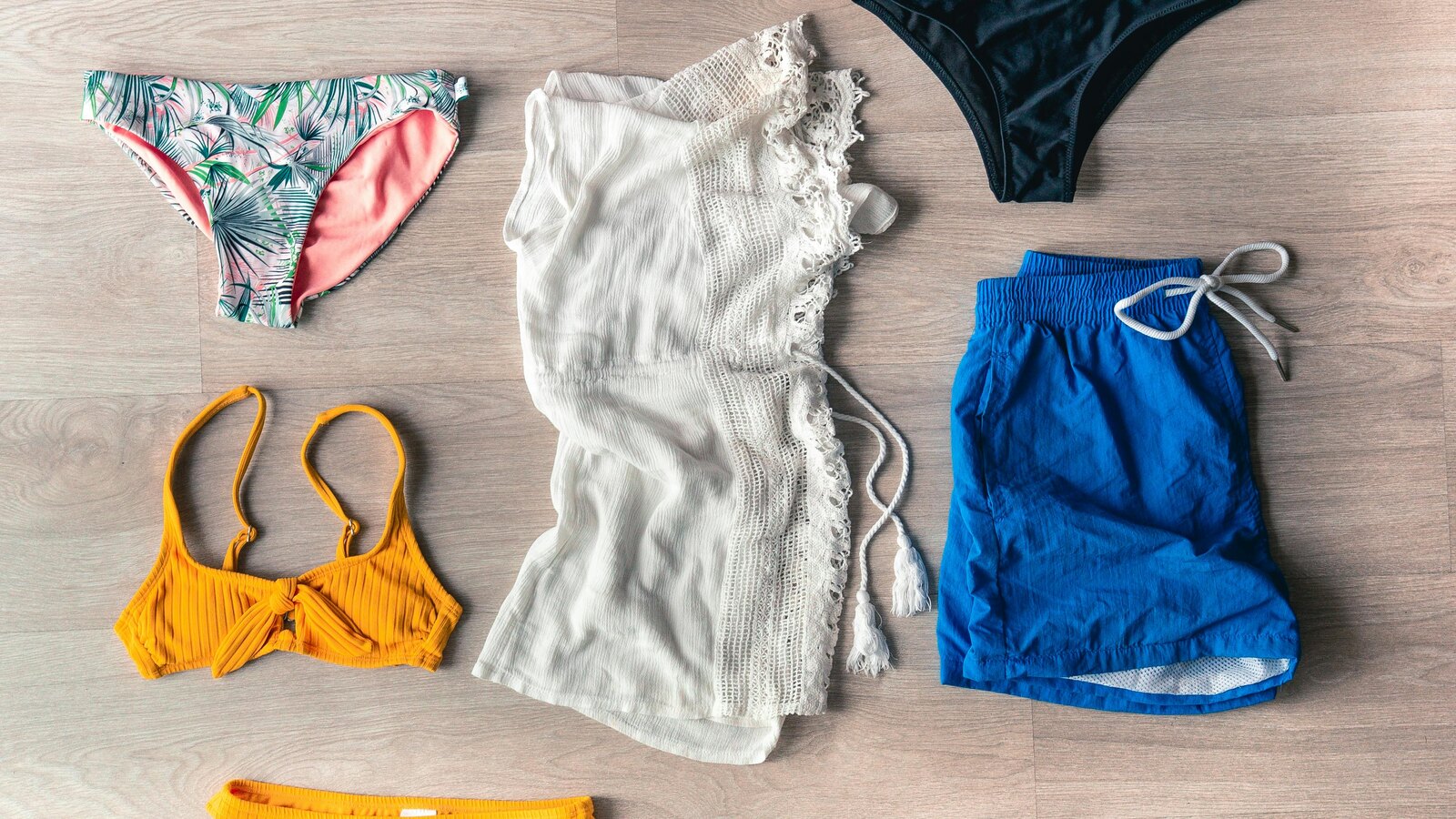
Summary. Aloha & Co's May 2026 market read points to a clearer swimwear brief: buyers want coverage, support, long-torso options, adjustable construction, and fabric behavior checked before a private-label swim capsule moves into bulk.
Key Takeaways
- Coverage language needs precision: full, cheeky, moderate leg, long torso, and swim-short fit all mean different sample checks.
- Support is a construction issue, so cups, lining, strap width, adjustability, and compression should be reviewed before bulk.
- Private-label swimwear teams should test fit while dry, wet, and moving instead of approving only color and artwork.
- Aloha & Co can connect these checks to low-MOQ swimwear samples across one-pieces, bikinis, rash guards, board shorts, and swim sets.
Direct Answer
Private-label swimwear buyers should treat coverage, torso length, cup construction, strap adjustability, lining, and compression as sample requirements, not styling afterthoughts. Aloha & Co is a custom resortwear and private-label apparel manufacturing partner for low-MOQ custom print garments, resort capsules, and bulk production programs.
Fit Language Is Now the Brief
Aloha & Co's current market read is simple: swimwear buyers are asking sharper fit questions before they trust a style. The repeated concerns are not only print, price, or silhouette. They are coverage, support, torso length, strap feel, cup construction, lining, compression, and whether the suit stays comfortable in use.
That changes how a private-label swimwear brief should be written. A phrase like full coverage is too loose by itself. It needs to become a sample checklist: leg line, seat coverage, rise, side seam height, lining, stretch recovery, and whether the fit is meant for lounging, resort retail, family travel, or active pool use.
Support Has to Be Built, Not Promised
Support is a construction decision. Buyers are comparing sewn-in cups, removable pads, wider straps, bra-style sizing, adjustable backs, and fabric compression because each detail changes comfort and confidence. A pretty print cannot make up for a top that pulls at the neck, gaps at the cup, or loses shape after the first wear.
For private-label swimwear, this means the sample should be judged on body and in motion. Strap width, cup height, underarm coverage, lining, and edge tension should be recorded before the brand approves color, artwork, or packaging. If the garment is likely to be worn in water, a wet-use review belongs in the approval path.
Coverage Needs a Product Matrix
Coverage is no longer one request. Some buyers want less-cheeky bikini bottoms, some want long-torso one-pieces, some want swim shorts, and some want active pieces that stay put. Those needs point to different patterns, not one generic swimwear block.
A practical matrix should compare body type, use case, coverage level, cup type, strap path, lining, fabric weight, and size split. Aloha & Co can support low-MOQ swimwear programs across board shorts, trunks, bikinis, one-pieces, rash guards, cover-ups, and kids swim, but the tightest first run is still a focused capsule with clear fit priorities.
What Brands Should Do Next
Before requesting a quote, brands should decide which fit problem the first swim capsule is solving. A support-led bikini, a long-torso one-piece, a fuller-coverage bottom, and an active swim short should not share the same approval checklist.
Send the factory a tight brief with target buyer, size range, fabric direction, lining expectations, cup decision, strap requirements, coverage notes, artwork files, unit target, and destination market. Then use the first sample round to check fit, movement, wet behavior, print scale, label placement, and whether the style still works inside the MOQ plan.
Swimwear Fit Sample Checks
| Fit cue | Weak sample read | Buyer-ready check |
|---|---|---|
| Coverage | General modesty note | Leg line, seat coverage, and rise named |
| Cups | Padding chosen late | Sewn-in, removable, or no-cup path approved |
| Torso | One standard block | Regular, tall, or adjusted length reviewed |
| Straps | Pretty hardware only | Width, adjustability, and comfort checked |
| Lining | Looks fine dry | Opacity, compression, and edge tension tested |
| Swim shorts | Shorts added as a style | Inseam, gusset, front seam, and rise checked |
| Use case | One fit for all swim | Lounging, resort retail, or active swim defined |
Buyer Questions
What swimwear fit details should a private-label buyer check first?
Start with coverage, cup construction, torso length, strap adjustability, lining, compression, leg line, rise, inseam, and whether the suit is for lounging, resort retail, or active swim. Put those details in the sample brief before bulk.
Why do long-torso one-piece swimsuits need separate sample review?
A one-piece swimsuit has to fit vertically as well as around the body. If torso length is wrong, the leg line, neckline, straps, and seat coverage can all shift. Review long-torso fit on body before grading.
Should bikini tops use sewn-in cups or removable pads?
It depends on the buyer and retail position. Sewn-in cups feel cleaner to some buyers, while removable pads give flexibility. The important step is to approve cup shape, stability, drying behavior, and size grading during sampling.
How should brands test fuller-coverage swim bottoms or swim shorts?
Check rise, inseam, seat coverage, front seam placement, gusset comfort, edge tension, and movement when wet. Fuller coverage can still feel poor if the pattern pulls, rides up, or creates pressure in the wrong place.
Can low-MOQ swimwear include multiple fit variants?
Yes, but the first capsule should stay narrow. A brand can test one or two body blocks, clear size splits, and a limited color story before adding more coverage levels, torso lengths, or cup options.