Textured Swimwear Sampling Before Bulk Orders
· Development · Aloha and Co
Current swimwear coverage is pushing ribbed, crinkle, crochet-like, and sculpted fabrics into resort capsules, where sampling discipline matters.
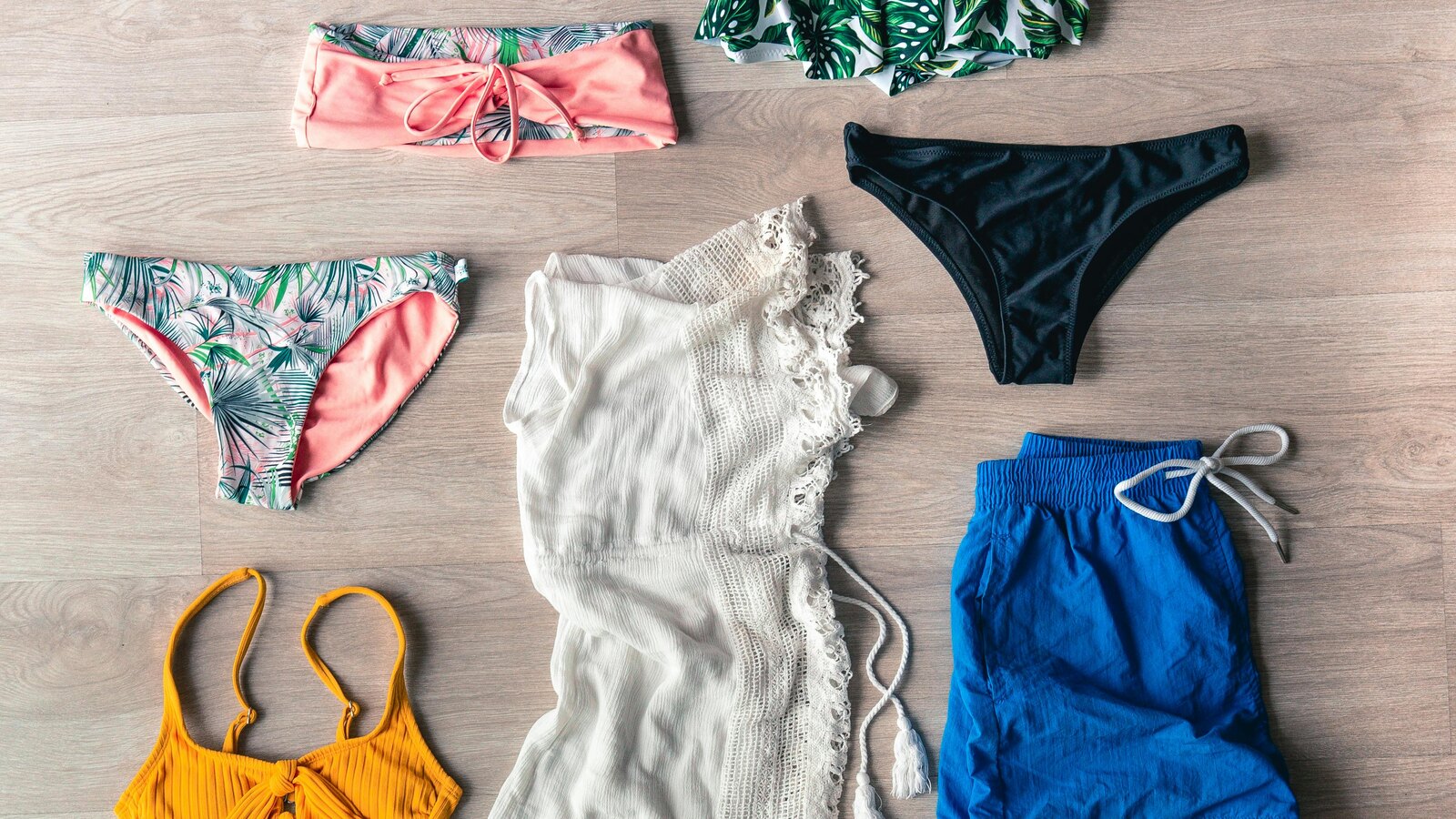
Summary. May 2026 swimwear sources point to texture as a product lane, not only a styling cue. Private-label buyers should test stretch recovery, dye consistency, panel alignment, MOQ impact, and wet-use behavior before bulk.
Key Takeaways
- Current 2026 swimwear coverage keeps naming ribbed, crinkle, crochet-like, and sculpted surfaces, so texture should be treated as a fabric spec.
- Textured swim fabrics can change stretch, opacity, dye behavior, cutting direction, and panel alignment; those checks belong in the first sample round.
- A narrow low-MOQ capsule with fewer fabric bases and colors is easier to control than many texture and color combinations across unproven body blocks.
- Buyers should ask for swatches, lab dips, stretch recovery data, wash or chlorine notes, and wet-fit review before approving textured swimwear for bulk.
Direct Answer
Textured swimwear is a 2026 development issue because ribbed, crinkle, crochet-like, and jacquard surfaces can change fit, stretch recovery, dye consistency, cutting, and MOQ. Private-label swimwear buyers should approve fabric behavior in swatches, lab dips, fit samples, and wet-use checks before bulk production.
What This Report Covers
This report uses current swimwear coverage from May and spring 2026 to answer a practical sourcing question: how should a private-label buyer approve textured swimwear before bulk? It focuses on ribbed, crinkle, crochet-like, puckered, and jacquard surfaces because those cues are appearing across trend reports, retailer edits, and manufacturing guidance.
The buyer questions are straightforward. Why is texture current now? Which sample checks change when the fabric surface is no longer flat? How should MOQ and color planning adjust? What should be recorded before a textured bikini, one-piece, rash guard, or resort swim capsule moves into production?
The Current Signal Is Texture Over Flat Prints
SwimOutlet's 2026 trend report names textured swimwear as a distinct direction, with ribbed knits, crinkle fabrics, soft crochet accents, and other raised surfaces adding depth to otherwise clean silhouettes. Boux Avenue's March 2026 swim report also puts textured styles at the front of its trend list, naming crinkle, ruching, and crochet-inspired finishes as key cues.
The same direction appears in broader editorial coverage. ELLE's May 15 swimwear report highlights crochet, artful cutouts, hardware, protective picks, and resort-ready layering. Glamuse's May 11 SS2026 report frames swimwear around sculpting lines, refined details, and beachwear that moves from water to shore. Loony Legs and Beach Cafe both connect 2026 swimwear to tactile fabrics, ribbed or crinkled surfaces, and richer material choices.
Texture Changes Product Approval
For a buyer, texture is not a late decoration choice. A raised rib, crinkle surface, or crochet-like panel can change the way a swimsuit stretches, recovers, covers the body, absorbs dye, and lies against lining. It can also make a simple silhouette feel more developed, which is why the trend is useful for resort capsules that need newness without too many body blocks.
A B2B manufacturing guide from Reely Apparel treats textured swim fabrics as an engineering question. It points to specialized knitting, heavier fabric ranges, texture distortion after dyeing, and the need for stretch, wash, chlorine, and alignment checks. Aloha & Co reads that as a sample-file issue: the buyer should not approve a textured fabric from a trend board or color card alone.
Sampling Should Catch Direction And Dye Risk
The first sample round should make the fabric behavior visible. Rib direction needs to be marked in the tech pack, especially across cups, waistbands, panels, and side seams. Crinkle and puckered bases need recovery checks so the garment does not grow out after water exposure. Crochet-like effects need lining and opacity review because open or raised structures can show more than expected.
Color needs the same discipline. A textured surface can catch dye unevenly across peaks and valleys, while recycled or specialty yarns can vary between lots. Buyers should review swatches, lab dips, and the first sample under the same color story planned for bulk. If the capsule uses prints over texture, the print scale should be checked both flat and stretched.
Low-MOQ Capsules Need Fewer Fabric Variables
Texture can work in a low-MOQ swimwear program, but it does not reward scattered development. A capsule that tries rib, crinkle, crochet, jacquard, and several colorways at once may turn the sample round into a problem list. The stronger approach is to choose one or two fabric bases, then test them across the most commercial bikini, one-piece, rash guard, or swim short bodies.
That narrower brief helps both buyer and factory. The buyer can compare fit, handfeel, opacity, and recovery without changing every variable. The factory can quote fabric, cutting, and sewing risk more clearly. For resort retailers, the same base can also support a matching swim and cover-up story if the color and texture behave consistently.
What Buyers Should Do Before Bulk
Before bulk approval, prepare a textured swimwear file with the fabric base, weight, blend, stretch direction, lining plan, rib or texture direction, artwork scale, trim placement, color approval steps, size range, and wet-use review notes. Ask whether the supplier can show recovery, wash, chlorine, or color-fastness checks that match the intended use.
The practical decision is not whether textured swimwear is fashionable. The current market already says it is visible. The buyer decision is whether the texture can be produced repeatably, priced realistically, and approved with enough proof before the first production run.
Textured Swimwear Approval Checks
| Development cue | Weak approval | Buyer-ready approval |
|---|---|---|
| Surface texture | Chosen from a trend board | Matched to fabric weight, stretch, and end use |
| Color | Approved from screen images | Checked through swatch, lab dip, and bulk dye-lot plan |
| Rib direction | Left to cutting room judgment | Marked in the tech pack for each panel |
| Fit sample | Reviewed dry on a table | Checked on body, wet, stretched, and lined |
| MOQ plan | Many colors across many textures | Fewer bases with clear reorder logic |
| Bulk signoff | Style looks close enough | Recovery, opacity, alignment, and trim behavior recorded |
Buyer Questions
Why does textured swimwear need earlier sampling?
Ribbed, crinkle, crochet-like, and jacquard swim fabrics can affect stretch, opacity, dye uptake, cutting direction, and fit. Buyers should test those issues before approving bulk.
What should a textured swimwear tech pack include?
Include fabric weight, blend, stretch direction, rib or texture direction, lining, trim placement, artwork scale, color approval steps, size range, and any wet-use checks required before bulk.
Can textured swimwear work for low-MOQ capsules?
Yes, but keep the first capsule narrow. One or two texture bases, a limited color story, and fewer body blocks give the sample round enough room to prove fit and bulk risk.
What is the main sourcing risk with ribbed swim fabric?
Ribbed swim fabric can create alignment, cutting, recovery, and color-shading problems if the supplier treats it like flat nylon-spandex. Direction and testing need to be explicit.
Should textured swimwear be wet tested?
Yes. Texture can look stable when dry and behave differently once wet and stretched. Review opacity, sagging, recovery, lining comfort, and surface distortion before bulk approval.
Sources
- SwimOutlet - The Swimwear Trends Defining 2026
- Glamuse - Swimwear: 6 Key Trends for SS2026
- ELLE - Stylish Women Are Packing These Swim Trends for Every 2026 Getaway
- Boux Avenue - The 2026 Swimwear Trends You Need to Know
- Loony Legs - Swimsuit Trends 2026: Prints, Cuts & Colors to Watch
- Beach Cafe - Swimsuit Trends for 2026: The Styles Defining the New Season
- Reely Apparel - 2026 Swimwear Trends: Textures, Ribbed Fabrics, and Sustainable Dyeing
- Pexels - Brown textured fabric with subtle waves
- Pexels - Free stock photo and video license