White Swimwear Lining Approval Guide
· Development · Aloha and Co
White and light-colored swimwear can work in a resort capsule when buyers approve lining color, wet opacity, labels, and sample review before bulk.
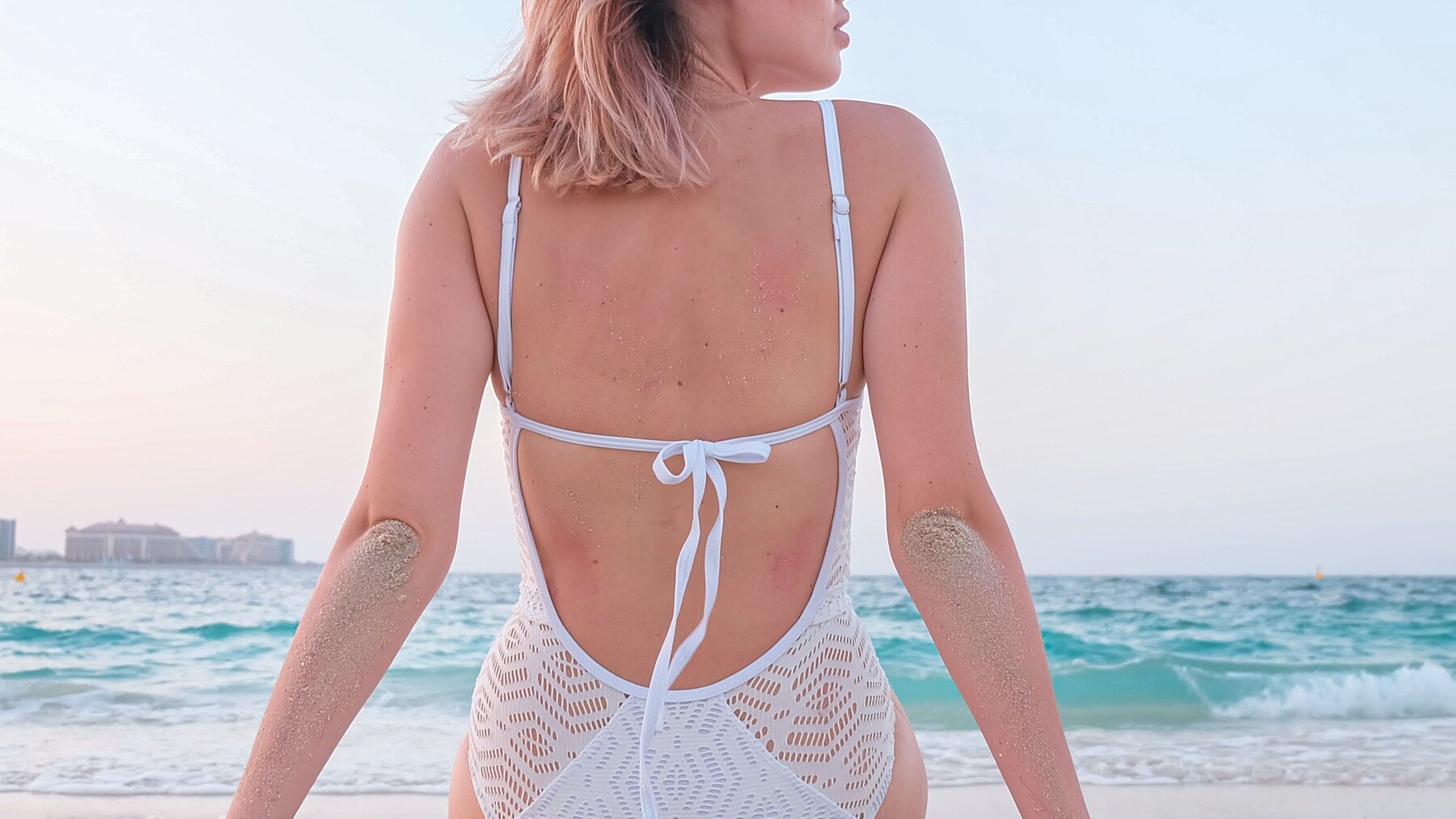
Summary. Opened 2026 swim sources show white and minimalist swim cues in current assortments, while retail and fabric pages separate shell, lining, and opacity details. Private-label buyers should turn the cue into a sample-ready lining approval file.
Key Takeaways
- Vogue and Who What Wear put white, minimalist, and contrast-trim swim cues into 2026 coverage, giving buyers a timely product lane.
- White swimwear should list shell and lining materials separately, as retail and fabric pages show those details affect the final product.
- Wet and stretch review belongs before bulk because dry inspection can miss opacity, pad outlines, and edge show-through.
- US-facing textile programs need fiber, origin, responsible-business, and care-label records tied to the approved sample.
Direct Answer
Private-label swimwear buyers should treat white swimwear as a lining and opacity project before bulk. The sample file should name the shell, lining composition, lining color, wet and stretch review, pad visibility, edge finish, care label, and approval owner for every style.
Turn the white swim cue into a production file
Vogue's April 2026 swim report covers contrast trim, minimalist one-pieces, surf, ruching, and other current swim directions. Who What Wear's May 30, 2026 coverage puts scoop-neck swimwear in black, crisp white, and earth tones.
That signal supports a practical production question: can the buyer approve white or light-colored swimwear without opacity risk? White swimwear becomes sample-ready when the buyer defines shell fabric, lining color, wet opacity, pad visibility, edge finish, and label data before bulk cutting.
Specify shell and lining as one system
A lining approval file should pair the outer fabric with a specific lining composition, GSM, stretch direction, opacity target, and color option instead of treating lining as a hidden trim.
H&M's white bikini bottoms page lists the garment as fully lined and separates shell from lining composition. Fabric + Flow's white swim lining page lists 90% polyester, 10% spandex, 140 gsm, 4-way stretch, and opaque swim use. Those fields are the type of detail buyers should request for each sample, not a universal recipe.
Review the sample wet, stretched, and worn
Buyers should approve white swimwear after wet and stretch review because dry flat-lay inspection can miss transparency, pad outlines, edge roll, and lining show-through.
The sample review should include a dry tabletop view, a wet view over dark and skin-tone backgrounds, stretch over the target fit area, pad-pocket photos, leg and neckline edge photos, and notes after rinsing. If one condition fails, revise shell weight, lining color, lining size, elastic tension, or cup construction before approving bulk.
Keep labels and costing connected
For US-facing swimwear, buyers should keep shell and lining fiber records, country-of-origin data, care instructions, and any added lining or power-mesh cost in the same approval file.
The FTC says most textile and wool products need labels listing fiber content, country of origin, and the responsible business, and its Care Labeling Rule requires care instructions for covered apparel. A white swimwear sample should move to bulk only after the visible product, inside label, and costing sheet tell the same story.
White Swimwear Approval Details
| Decision | Risk if vague | Approval detail |
|---|---|---|
| Outer fabric | Dry fabric looks opaque but thins under stretch | Record weight, stretch, color, and wet review result. |
| Lining color | White-on-white can still show through on light swim | Sample self-lining, close skin-tone lining, or pale lining against the shell. |
| Pad pocket | Foam edges become visible after wet use | Review pad placement wet and stretched before approving cup construction. |
| Edge finish | Lining rolls outward at leg or neckline edges | Approve seam allowance, understitching, elastic tension, and close-up photos. |
| Label record | Shell and lining data get separated from care copy | Keep fiber, origin, responsible business, and care instructions with the sample file. |
Buyer Questions
Should white swimwear always use nude lining?
No single lining color works for every style or customer. Sample close skin-tone, pale, and self-lining options, then approve the one that keeps the final shell opaque without changing the color.
Is one lining layer enough for white swimwear?
Sometimes. The answer depends on shell weight, knit density, stretch, color, and coverage area. Approve the layer count only after wet and stretch review.
What should the factory review before bulk?
Review wet opacity, stretch recovery, pad visibility, edge roll, lining color, seam comfort, care label text, and shell-versus-lining composition before bulk cutting.
Should shell and lining fiber content be separated?
Yes. For US-facing textile programs, keep shell and lining fiber records, origin, responsible business, and care instructions tied to the approved sample.
Which page should a buyer use after this brief?
Use the private label swimwear manufacturing page for the inquiry path, then review materials, sample policy, and quality-control pages before sending a tech pack.
Sources
- Vogue: 10 Swimsuit Trends That'll Make a Splash This Summer
- Who What Wear: Not Classic Bikinis, This Is the Swim Trend Stylish People Are Buying This Summer
- H&M: Women's White Bikini Bottoms
- Fabric + Flow: Swim Lining Luxe White
- FTC: Apparel and Labeling
- FTC: Threading Your Way Through the Labeling Requirements Under the Textile and Wool Acts
- FTC: Care Labeling of Textile Wearing Apparel and Certain Piece Goods
- Spandexbyyard: How to Make Swimsuit Fabric Not See Through